Product Description
FIXTEC 12V Air Inflator Auto Car Tire Air Compressor Pump with 4pcs Accessories
Main Products
View more products,you can click product keywords…
| Main Products | ||
| Power Tools | Bench Tools | Accessories |
| Hand Tools | Air Tools | Water Pumps |
| Welding Machine | Generators | PPE |
Product Description
EBIC Tools is established in 2003, with rich experience in tools business, FIXTEC is our registered brand. One-stop tools station, including full line of power tools, hand tools, bench tools, air tools, welding machine, water pumps, generators, garden tools and power tools accessories etc.
|
Brand |
FIXTEC |
|||
|
Model No. |
FCAC12150 |
|||
|
Able to inflate |
bike tires , car tires, athletic balls |
|||
|
Air Pressure ( Max) |
150 PSI/1.0Mpa |
|||
|
Special Features |
– Features:Single 30mm cylinder – Quick inflating, – LED light |
|||
|
Max Current |
12A |
|||
|
Cylinder |
30mm |
|||
|
Air Flow |
17L/min |
|||
|
Inflator hose length |
800mm |
|||
|
Length of connection cable |
3M |
|||
|
Accessory |
1*ball adaptor 2*tire vale adaptor 1*air bed adaptor |
|||
|
Carton size |
45.5*22.5*38cm |
|||
|
Qty/ctn |
8pcs |
|||
|
NW./GW. |
14kg/14.5kg |
|||
Recommended products
Customer Evaluation
Company Profile
FAQ
FIXTEC team is based in China to support global marketing and we are looking for local distributors as our long term partners,Welcome to contact us!
| After-sales Service: | * |
|---|---|
| Warranty: | * |
| Lubrication Style: | Oil-free |
| Cooling System: | Air Cooling |
| Cylinder Arrangement: | Parallel Arrangement |
| Cylinder Position: | Horizontal |
| Samples: |
US$ 19.55/Piece
1 Piece(Min.Order) | |
|---|
| Customization: |
Available
|
|
|---|
.webp)
What are the advantages of using an air compressor in construction?
Using an air compressor in construction offers numerous advantages that contribute to increased efficiency, productivity, and versatility. Here are some key benefits of using air compressors in construction:
- Powering Pneumatic Tools: Air compressors are commonly used to power a wide range of pneumatic tools on construction sites. Tools such as jackhammers, nail guns, impact wrenches, drills, and sanders can be operated using compressed air. Pneumatic tools are often preferred due to their lightweight, compact design and ability to deliver high torque or impact force.
- Efficient Operation: Air compressors provide a continuous and reliable source of power for pneumatic tools, allowing for uninterrupted operation without the need for frequent battery changes or recharging. This helps to maintain a smooth workflow and reduces downtime.
- Portability: Many construction air compressors are designed to be portable, featuring wheels or handles for easy maneuverability on job sites. Portable air compressors can be transported to different areas of the construction site as needed, providing power wherever it is required.
- Versatility: Air compressors are versatile tools that can be used for various applications in construction. Apart from powering pneumatic tools, they can also be utilized for tasks such as inflating tires, cleaning debris, operating air-operated pumps, and powering air horns.
- Increased Productivity: The efficient operation and power output of air compressors enable construction workers to complete tasks more quickly and effectively. Pneumatic tools powered by air compressors often offer higher performance and faster operation compared to their electric or manual counterparts.
- Cost Savings: Air compressors can contribute to cost savings in construction projects. Pneumatic tools powered by air compressors are generally more durable and have longer lifespans compared to electric tools. Additionally, since air compressors use compressed air as their power source, they do not require the purchase or disposal of batteries or fuel, reducing ongoing operational expenses.
- Reduced Electrocution Risk: Construction sites can be hazardous environments, with the risk of electrocution from electrical tools or equipment. By utilizing air compressors and pneumatic tools, the reliance on electrical power is minimized, reducing the risk of electrocution accidents.
It is important to select the appropriate air compressor for construction applications based on factors such as required air pressure, volume, portability, and durability. Regular maintenance, including proper lubrication and cleaning, is crucial to ensure the optimal performance and longevity of air compressors in construction settings.
In summary, the advantages of using air compressors in construction include powering pneumatic tools, efficient operation, portability, versatility, increased productivity, cost savings, and reduced electrocution risk, making them valuable assets on construction sites.
.webp)
What is the energy efficiency of modern air compressors?
The energy efficiency of modern air compressors has significantly improved due to advancements in technology and design. Here’s an in-depth look at the energy efficiency features and factors that contribute to the efficiency of modern air compressors:
Variable Speed Drive (VSD) Technology:
Many modern air compressors utilize Variable Speed Drive (VSD) technology, also known as Variable Frequency Drive (VFD). This technology allows the compressor motor to adjust its speed according to the compressed air demand. By matching the motor speed to the required airflow, VSD compressors can avoid excessive energy consumption during periods of low demand, resulting in significant energy savings compared to fixed-speed compressors.
Air Leakage Reduction:
Air leakage is a common issue in compressed air systems and can lead to substantial energy waste. Modern air compressors often feature improved sealing and advanced control systems to minimize air leaks. By reducing air leakage, the compressor can maintain optimal pressure levels more efficiently, resulting in energy savings.
Efficient Motor Design:
The motor of an air compressor plays a crucial role in its energy efficiency. Modern compressors incorporate high-efficiency electric motors that meet or exceed established energy efficiency standards. These motors are designed to minimize energy losses and operate more efficiently, reducing overall power consumption.
Optimized Control Systems:
Advanced control systems are integrated into modern air compressors to optimize their performance and energy consumption. These control systems monitor various parameters, such as air pressure, temperature, and airflow, and adjust compressor operation accordingly. By precisely controlling the compressor’s output to match the demand, these systems ensure efficient and energy-saving operation.
Air Storage and Distribution:
Efficient air storage and distribution systems are essential for minimizing energy losses in compressed air systems. Modern air compressors often include properly sized and insulated air storage tanks and well-designed piping systems that reduce pressure drops and minimize heat transfer. These measures help to maintain a consistent and efficient supply of compressed air throughout the system, reducing energy waste.
Energy Management and Monitoring:
Some modern air compressors feature energy management and monitoring systems that provide real-time data on energy consumption and performance. These systems allow operators to identify energy inefficiencies, optimize compressor settings, and implement energy-saving practices.
It’s important to note that the energy efficiency of an air compressor also depends on factors such as the specific model, size, and application. Manufacturers often provide energy efficiency ratings or specifications for their compressors, which can help in comparing different models and selecting the most efficient option for a particular application.
Overall, modern air compressors incorporate various energy-saving technologies and design elements to enhance their efficiency. Investing in an energy-efficient air compressor not only reduces operational costs but also contributes to sustainability efforts by minimizing energy consumption and reducing carbon emissions.
.webp)
What is the impact of tank size on air compressor performance?
The tank size of an air compressor plays a significant role in its performance and functionality. Here are the key impacts of tank size:
1. Air Storage Capacity: The primary function of the air compressor tank is to store compressed air. A larger tank size allows for greater air storage capacity. This means the compressor can build up a reserve of compressed air, which can be useful for applications that require intermittent or fluctuating air demand. Having a larger tank ensures a steady supply of compressed air during peak usage periods.
2. Run Time: The tank size affects the run time of the air compressor. A larger tank can provide longer continuous operation before the compressor motor needs to restart. This is because the compressed air in the tank can be used to meet the demand without the need for the compressor to run continuously. It reduces the frequency of motor cycling, which can improve energy efficiency and prolong the motor’s lifespan.
3. Pressure Stability: A larger tank helps maintain stable pressure during usage. When the compressor is running, it fills the tank until it reaches a specified pressure level, known as the cut-out pressure. As the air is consumed from the tank, the pressure drops to a certain level, known as the cut-in pressure, at which point the compressor restarts to refill the tank. A larger tank size results in a slower pressure drop during usage, ensuring more consistent and stable pressure for the connected tools or equipment.
4. Duty Cycle: The duty cycle refers to the amount of time an air compressor can operate within a given time period. A larger tank size can increase the duty cycle of the compressor. The compressor can run for longer periods before reaching its duty cycle limit, reducing the risk of overheating and improving overall performance.
5. Tool Compatibility: The tank size can also impact the compatibility with certain tools or equipment. Some tools, such as high-demand pneumatic tools or spray guns, require a continuous and adequate supply of compressed air. A larger tank size ensures that the compressor can meet the air demands of such tools without causing pressure drops or affecting performance.
It is important to note that while a larger tank size offers advantages in terms of air storage and performance, it also results in a larger and heavier compressor unit. Consider the intended application, available space, and portability requirements when selecting an air compressor with the appropriate tank size.
Ultimately, the optimal tank size for an air compressor depends on the specific needs of the user and the intended application. Assess the air requirements, duty cycle, and desired performance to determine the most suitable tank size for your air compressor.


editor by CX 2023-11-20
China Good quality CHINAMFG 24L Industrial Portable Quiet Air Tank Oiless Air Compressor Manufacturer for Sale air compressor for car
Product Description
| Silent Oil Free Air Compressor | |||
| Model | WD065710808 | WD065712415 | WD065715571 |
| Power input | 600W/0.8HP | 1100W/1.5HP | 1500W/2.0HP |
| Rated voltage | 220-240V~50Hz | 220-240V~50Hz | 220-240V~50Hz |
| Rated speed | 2800/min | 2800/min | 2800/min |
| Tank volume | 8L | 24L | 50L |
| Max.work pressure | 7bar(100psi) | 8bar(116psi) | 8bar(116psi) |
| Air flow | 50L/min | 100L/min | 120L/min |
| Air-refilled time | 15s | 22s | 35s |
| Quantity/Carton | 1pc | 1pc | 1pc |
| Net/Gross weight | 12.2/13.2Kg | 20/21Kg | 28/29Kg |
| Carton size | 420x215x450mm | 580x285x585mm | 760x345x640mm |
| CBM | 0.046m3 | 0.097m3 | 0.168m3 |
| Warranty: | 1 Year |
|---|---|
| Lubrication Style: | Oil-free |
| Power Source: | Electricity |
| Type: | Piston |
| Condition: | New, New |
| Tank Volume: | 24L |
.webp)
How are air compressors utilized in the aerospace industry?
Air compressors play a crucial role in various applications within the aerospace industry. They are utilized for a wide range of tasks that require compressed air or gas. Here are some key uses of air compressors in the aerospace industry:
1. Aircraft Systems:
Air compressors are used in aircraft systems to provide compressed air for various functions. They supply compressed air for pneumatic systems, such as landing gear operation, braking systems, wing flap control, and flight control surfaces. Compressed air is also utilized for starting aircraft engines and for cabin pressurization and air conditioning systems.
2. Ground Support Equipment:
Air compressors are employed in ground support equipment used in the aerospace industry. They provide compressed air for tasks such as inflating aircraft tires, operating pneumatic tools for maintenance and repair, and powering air-driven systems for fueling, lubrication, and hydraulic operations.
3. Component Testing:
Air compressors are utilized in component testing within the aerospace industry. They supply compressed air for testing and calibrating various aircraft components, such as valves, actuators, pressure sensors, pneumatic switches, and control systems. Compressed air is used to simulate operating conditions and evaluate the performance and reliability of these components.
4. Airborne Systems:
In certain aircraft, air compressors are employed for specific airborne systems. For example, in military aircraft, air compressors are used for air-to-air refueling systems, where compressed air is utilized to transfer fuel between aircraft in mid-air. Compressed air is also employed in aircraft de-icing systems, where it is used to inflate inflatable de-icing boots on the wing surfaces to remove ice accumulation during flight.
5. Environmental Control Systems:
Air compressors play a critical role in the environmental control systems of aircraft. They supply compressed air for air conditioning, ventilation, and pressurization systems, ensuring a comfortable and controlled environment inside the aircraft cabin. Compressed air is used to cool and circulate air, maintain desired cabin pressure, and control humidity levels.
6. Engine Testing:
In the aerospace industry, air compressors are utilized for engine testing purposes. They provide compressed air for engine test cells, where aircraft engines are tested for performance, efficiency, and durability. Compressed air is used to simulate different operating conditions and loads on the engine, allowing engineers to assess its performance and make necessary adjustments or improvements.
7. Oxygen Systems:
In aircraft, air compressors are involved in the production of medical-grade oxygen for onboard oxygen systems. Compressed air is passed through molecular sieve beds or other oxygen concentrator systems to separate oxygen from other components of air. The generated oxygen is then supplied to the onboard oxygen systems, ensuring a sufficient and continuous supply of breathable oxygen for passengers and crew at high altitudes.
It is important to note that air compressors used in the aerospace industry must meet stringent quality and safety standards. They need to be reliable, efficient, and capable of operating under demanding conditions to ensure the safety and performance of aircraft systems.
.webp)
What is the impact of altitude on air compressor performance?
The altitude at which an air compressor operates can have a significant impact on its performance. Here are the key factors affected by altitude:
1. Decreased Air Density:
As altitude increases, the air density decreases. This means there is less oxygen available per unit volume of air. Since air compressors rely on the intake of atmospheric air for compression, the reduced air density at higher altitudes can lead to a decrease in compressor performance.
2. Reduced Airflow:
The decrease in air density at higher altitudes results in reduced airflow. This can affect the cooling capacity of the compressor, as lower airflow hampers the dissipation of heat generated during compression. Inadequate cooling can lead to increased operating temperatures and potential overheating of the compressor.
3. Decreased Power Output:
Lower air density at higher altitudes also affects the power output of the compressor. The reduced oxygen content in the air can result in incomplete combustion, leading to decreased power generation. As a result, the compressor may deliver lower airflow and pressure than its rated capacity.
4. Extended Compression Cycle:
At higher altitudes, the air compressor needs to work harder to compress the thinner air. This can lead to an extended compression cycle, as the compressor may require more time to reach the desired pressure levels. The longer compression cycle can affect the overall efficiency and productivity of the compressor.
5. Pressure Adjustments:
When operating an air compressor at higher altitudes, it may be necessary to adjust the pressure settings. As the ambient air pressure decreases with altitude, the compressor’s pressure gauge may need to be recalibrated to maintain the desired pressure output. Failing to make these adjustments can result in underinflated tires, improper tool performance, or other issues.
6. Compressor Design:
Some air compressors are specifically designed to handle higher altitudes. These models may incorporate features such as larger intake filters, more robust cooling systems, and adjusted compression ratios to compensate for the reduced air density and maintain optimal performance.
7. Maintenance Considerations:
Operating an air compressor at higher altitudes may require additional maintenance and monitoring. It is important to regularly check and clean the intake filters to ensure proper airflow. Monitoring the compressor’s operating temperature and making any necessary adjustments or repairs is also crucial to prevent overheating and maintain efficient performance.
When using an air compressor at higher altitudes, it is advisable to consult the manufacturer’s guidelines and recommendations specific to altitude operations. Following these guidelines and considering the impact of altitude on air compressor performance will help ensure safe and efficient operation.
What is the purpose of an air compressor?
An air compressor serves the purpose of converting power, typically from an electric motor or an engine, into potential energy stored in compressed air. It achieves this by compressing and pressurizing air, which can then be used for various applications. Here’s a detailed explanation of the purpose of an air compressor:
1. Powering Pneumatic Tools: One of the primary uses of an air compressor is to power pneumatic tools. Compressed air can be used to operate a wide range of tools, such as impact wrenches, nail guns, paint sprayers, sanders, and drills. The compressed air provides the necessary force and energy to drive these tools, making them efficient and versatile.
2. Supplying Clean and Dry Air: Air compressors are often used to supply clean and dry compressed air for various industrial processes. Many manufacturing and production operations require a reliable source of compressed air that is free from moisture, oil, and other contaminants. Air compressors equipped with appropriate filters and dryers can deliver high-quality compressed air for applications such as instrumentation, control systems, and pneumatic machinery.
3. Inflating Tires and Sports Equipment: Air compressors are commonly used for inflating tires, whether it’s for vehicles, bicycles, or sports equipment. They provide a convenient and efficient method for quickly filling tires with the required pressure. Air compressors are also used for inflating sports balls, inflatable toys, and other similar items.
4. Operating HVAC Systems: Air compressors play a crucial role in the operation of heating, ventilation, and air conditioning (HVAC) systems. They provide compressed air for controlling and actuating dampers, valves, and actuators in HVAC systems, enabling precise regulation of air flow and temperature.
5. Assisting in Industrial Processes: Compressed air is utilized in various industrial processes. It can be used for air blow-off applications, cleaning and drying parts, powering air-operated machinery, and controlling pneumatic systems. Air compressors provide a reliable and efficient source of compressed air that can be tailored to meet the specific requirements of different industrial applications.
6. Supporting Scuba Diving and Breathing Systems: In scuba diving and other breathing systems, air compressors are responsible for filling diving tanks and supplying breathable air to divers. These compressors are designed to meet strict safety standards and deliver compressed air that is free from contaminants.
Overall, the purpose of an air compressor is to provide a versatile source of compressed air for powering tools, supplying clean air for various applications, inflating tires and sports equipment, supporting industrial processes, and facilitating breathing systems in specific contexts.
editor by CX 2023-11-20
China Hot selling Outdoor Cast CHINAMFG Tables and Chairs European-Style Villa Garden Furniture Leisure Patio Balcony Tea Table Combination vacuum pump connector
Product Description
Product Description
Company Profile
HangZhou Zixuan Furniture Co., Ltd. is a factory specializing in the production of outdoor furniture. It has nearly 20 years of experience in the production of outdoor furniture. There are some experienced teachers in the factory. They are very professional and have guaranteed quality. We can customize them. If you have pictures, we can produce them. Welcome to contact us. We are very confident that we can make your order. Welcome to inquire! Price gives you very affordable price and guaranteed quality products!
Our Advantages
1. Excellent craftsmanship and fashion design
2. High Quality with competitive price and timely delivery.
FAQ
1.Production Lead Time:
1. High Season: 30-40 days .
2. Low Season: around 15-25 days .
3. We will come up with a detailed production schedule for each order and this schedule will be a platform for onward communication between customers and us.
2.payment item:
1. 30% down payment before production and balance before shipment.
2. We can offer different pricing of FOB, CIF and C&F.
3. Cash, Ali Express Escrow, Paypal, West Union, Money Gram, Bank Transfer and L/C are all available.
| Material: | Metal |
|---|---|
| Style: | Simple |
| Usage: | Bar, Hotel, Dining Room, Outdoor |
| Customization: |
Available
|
|
|---|
.shipping-cost-tm .tm-status-off{background: none;padding:0;color: #1470cc}
|
Shipping Cost:
Estimated freight per unit. |
about shipping cost and estimated delivery time. |
|---|
| Payment Method: |
|
|---|---|
|
Initial Payment Full Payment |
| Currency: | US$ |
|---|
| Return&refunds: | You can apply for a refund up to 30 days after receipt of the products. |
|---|
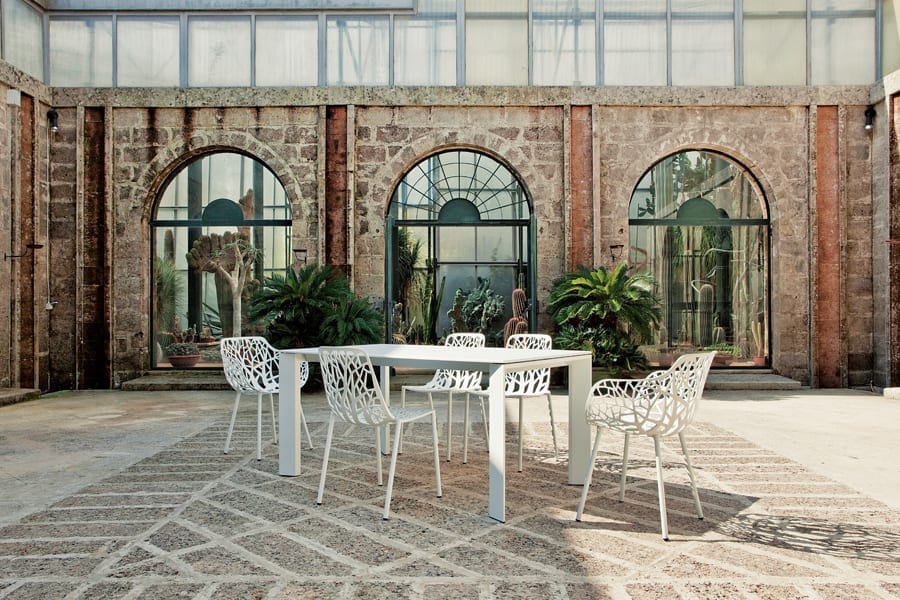
What should I consider when selecting covers for my garden furniture?
When selecting covers for your garden furniture, there are several factors to consider to ensure proper protection and longevity of your outdoor furniture. Here are some key considerations:
1. Size and Fit:
Choose covers that are specifically designed to fit your furniture pieces. Measure the dimensions of your furniture, including width, depth, and height, and select covers that match those measurements. A well-fitting cover will provide better protection and prevent damage from exposure to the elements.
2. Material and Durability:
Opt for covers made from durable and weather-resistant materials. Common options include polyester, vinyl, and specialized outdoor fabrics. These materials should be waterproof, UV-resistant, and able to withstand varying weather conditions. Look for covers with reinforced seams and strong fastening mechanisms for added durability.
3. Breathability:
Consider covers that offer breathability to prevent the buildup of moisture and condensation. Breathable covers allow air circulation, which helps prevent mold, mildew, and rust from forming on your furniture.
4. Easy Installation and Removal:
Choose covers that are easy to install and remove. Look for covers with elastic hems, drawstrings, or fastening straps that provide a secure and snug fit. Covers that are easy to put on and take off make it more convenient to protect and uncover your furniture as needed.
5. Ventilation and Airflow:
Ensure that the covers have vents or mesh panels to allow for proper airflow. Ventilation helps prevent the buildup of heat and moisture, which can lead to condensation and potential damage to your furniture.
6. Style and Aesthetics:
If aesthetics are important to you, consider covers that complement the overall look and style of your outdoor space. Some covers come in a variety of colors and designs, allowing you to choose options that blend well with your garden decor.
7. Storage and Portability:
Keep in mind the storage and portability of the covers when they are not in use. Look for covers that are easy to fold or roll up for compact storage. Additionally, consider covers that come with their own storage bags or cases for convenience.
8. Brand and Reviews:
Research and choose reputable brands known for producing high-quality covers. Read customer reviews and ratings to get insights into the performance and durability of the covers you are considering.
By considering these factors, you can select covers that provide effective protection for your garden furniture, keeping it safe from rain, sun, dirt, and other outdoor elements. Properly covering your furniture when not in use helps prolong its lifespan and reduces the need for extensive cleaning and maintenance.
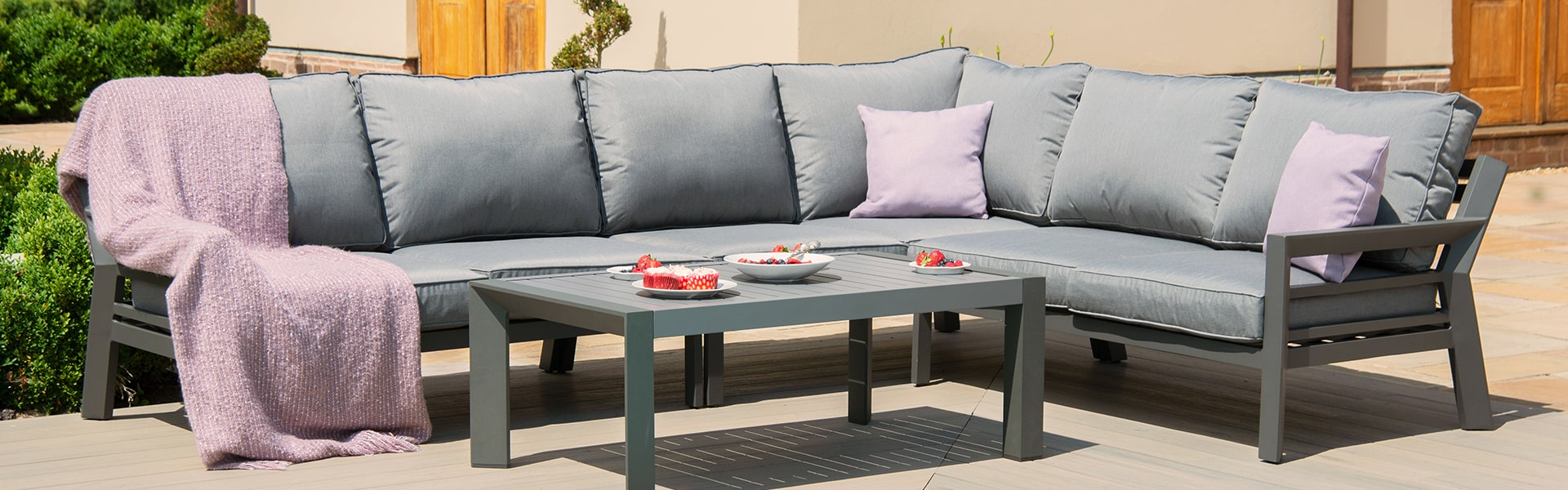
What are the best materials for garden furniture frames that are rust-resistant?
When it comes to selecting garden furniture frames that are rust-resistant, several materials are known for their durability and ability to withstand outdoor conditions. Choosing the right material for your garden furniture can help ensure its longevity and minimize maintenance. Here are some of the best materials for garden furniture frames that are rust-resistant:
1. Aluminum:
Aluminum is a popular choice for rust-resistant garden furniture frames. It is lightweight, durable, and does not rust. Aluminum frames are typically powder-coated or anodized to provide additional protection against corrosion. Powder coating involves applying a protective layer of colored powder that bonds to the metal surface, while anodizing creates a protective oxide layer. Aluminum frames are low maintenance and can withstand various weather conditions.
2. Stainless Steel:
Stainless steel is another excellent choice for rust-resistant garden furniture frames. It is highly resistant to corrosion and can withstand exposure to moisture and harsh outdoor environments. Stainless steel frames are strong and durable, making them suitable for heavy use. However, it’s important to note that low-quality stainless steel or stainless steel with a low chromium content may still be prone to rust, so it’s essential to choose high-quality stainless steel furniture.
3. Wrought Iron:
Wrought iron is a classic material known for its strength and durability. It is typically coated with a protective finish, such as powder coating or paint, to prevent rust. Proper maintenance, including periodic touch-ups and sealing any chips or scratches in the finish, can help maintain the rust resistance of wrought iron frames. Wrought iron furniture adds a timeless and elegant look to garden spaces.
4. Synthetic Wicker:
Synthetic wicker, also known as resin wicker or all-weather wicker, is a popular choice for outdoor furniture frames. It is made from synthetic materials, such as high-density polyethylene (HDPE), that are resistant to rust and other forms of corrosion. Synthetic wicker furniture is lightweight, easy to maintain, and can withstand exposure to various weather conditions. It is often paired with aluminum frames for added durability.
5. Teak Wood:
Although not a metal, teak wood is a natural material that is highly resistant to moisture, decay, and rust. Teak furniture frames are an excellent choice for outdoor use due to their inherent durability. Teak wood contains natural oils that protect it from rot and corrosion. However, teak furniture requires regular maintenance, such as cleaning and periodic application of teak oil, to maintain its appearance and prevent graying.
6. Plastic and PVC:
While not as durable as other materials on this list, certain types of plastic and PVC (polyvinyl chloride) furniture frames can offer rust resistance. Plastic and PVC frames are lightweight, affordable, and require minimal maintenance. Look for high-quality plastic or PVC furniture that is specifically designed for outdoor use and resistant to UV radiation and fading.
When choosing rust-resistant garden furniture frames, consider factors such as durability, maintenance requirements, and overall aesthetic appeal. It’s also important to note that while these materials are rust-resistant, proper care and maintenance still play a crucial role in prolonging the lifespan of your garden furniture.

Can you recommend affordable garden furniture options for a tight budget?
If you have a tight budget but still want to furnish your garden with affordable options, there are several choices available. Here are some recommendations for affordable garden furniture:
1. Plastic Furniture:
Plastic furniture is often more budget-friendly compared to other materials. It is lightweight, easy to clean, and resistant to weather conditions. Look for plastic chairs, tables, and loungers that are designed for outdoor use.
2. Folding Furniture:
Folding furniture is a practical and cost-effective option for outdoor spaces. These pieces are versatile and can be easily folded and stored when not in use. Folding chairs, tables, and benches are available at affordable prices and can provide seating and dining options for your garden.
3. Wooden Furniture:
Wooden furniture can be more affordable than other materials, especially if you choose softwood options like pine or spruce. While these may require more maintenance and may not be as durable as hardwoods, they can still provide a natural and budget-friendly option for your garden.
4. DIY and Upcycled Furniture:
If you’re feeling creative, consider DIY (Do-It-Yourself) or upcycled furniture projects. You can repurpose old furniture or materials to create unique and affordable pieces for your garden. Look for tutorials and inspiration online to get started.
5. Secondhand or Thrifted Furniture:
Check out local thrift stores, yard sales, or online marketplaces for secondhand garden furniture. You may find pre-owned pieces in good condition at significantly lower prices. With some cleaning and minor repairs, you can have affordable and functional furniture for your garden.
6. Sales and Clearance:
Keep an eye out for sales and clearance events at furniture stores or online retailers. These often offer discounted prices on outdoor furniture, allowing you to find affordable options within your budget.
7. Rent or Borrow:
If you only need furniture for a short period or for occasional use, consider renting or borrowing from friends or family. This can be a cost-effective solution that allows you to enjoy outdoor furniture without making a long-term investment.
Remember, while affordable options may have some trade-offs in terms of durability or style, with proper care and maintenance, they can still provide functional and enjoyable outdoor seating and dining areas on a tight budget.
editor by CX 2023-11-20
China OEM Waterproof Outside Patio Lounge Room Furniture Outdoor Garden Dinner Sets vacuum pump connector
Product Description
waterproof outside patio lounge room furniture outdoor garden dinner sets
6228527
Room 101, Building B3, Xihu (West Lake) Dis. Industrial Park, No.3 Luochonggang,
Xihu (West Lake) Dis. Road, Xihu (West Lake) Dis. District, HangZhou, China
| Material: | Rattan / Wicker |
|---|---|
| Style: | Simple |
| Usage: | Hotel, Outdoor, Garden |
| Folded: | Unfolded |
| Customized: | Non-Customized |
| Condition: | New |
| Customization: |
Available
|
|
|---|

How do I choose the best outdoor furniture for a beachfront property?
Choosing the best outdoor furniture for a beachfront property requires considering several factors to ensure durability, functionality, and aesthetic appeal. Here are some tips to help you make the right choice:
1. Material Selection:
Opt for materials that can withstand the harsh beachfront environment, including exposure to salt, sun, and moisture. Good options for beachfront properties include teak, aluminum, stainless steel, synthetic wicker, and outdoor-grade fabrics designed to resist fading and mildew.
2. Rust and Corrosion Resistance:
Given the proximity to saltwater, it’s essential to choose outdoor furniture that is resistant to rust and corrosion. Look for furniture with rust-resistant coatings, such as powder coating or stainless steel construction, to ensure longevity in the beachfront setting.
3. Easy Maintenance:
Consider the maintenance requirements of the outdoor furniture. Beachfront properties can be prone to sand, salt, and wind-blown debris. Opt for furniture that is easy to clean and maintain, such as materials that can be wiped down with a damp cloth or hosed off.
4. UV Resistance:
Ensure that the outdoor furniture is designed to withstand prolonged exposure to the sun’s UV rays. Look for materials and fabrics that have UV-resistant properties to prevent fading, discoloration, and deterioration over time.
5. Comfort and Functionality:
Choose outdoor furniture that offers comfort and functionality. Consider factors such as cushion thickness, ergonomic design, adjustable features, and the ability to stack or fold for easy storage. Comfortable seating and lounging options will enhance the enjoyment of your beachfront property.
6. Wind Resistance:
Given the potential for strong coastal winds, select outdoor furniture that is sturdy and wind-resistant. Look for furniture with heavy-duty construction, sturdy frames, and the ability to secure or anchor the furniture to prevent tipping or damage during gusty conditions.
7. Design and Aesthetics:
Consider the overall design and aesthetics of the outdoor furniture to ensure it complements the beachfront property. Choose styles and colors that align with your personal preferences and the surrounding landscape. Coastal-inspired designs or neutral tones often work well in beachfront settings.
8. Test for Stability:
Prioritize stability when selecting outdoor furniture for a beachfront property. Test the furniture for stability and sturdiness before making a purchase. Sit on the chairs, lounge on the loungers, and check for any wobbling or instability that could be problematic in windy conditions.
9. Consider Storage Options:
Think about storage options for your outdoor furniture during seasons of non-use or inclement weather. Consider whether you have adequate storage space or if the furniture is easily stackable or foldable for compact storage.
By considering these factors, you can choose outdoor furniture that is well-suited to the demands of a beachfront property, providing both durability and comfort for years to come.
Can you suggest creative ways to arrange outdoor furniture for gatherings?
Arranging outdoor furniture in creative ways can enhance the ambiance and functionality of your outdoor gatherings. Here are some suggestions for arranging outdoor furniture for gatherings:
1. Circular Conversation Area: Create a circular seating arrangement by arranging chairs or sofas in a circle. This layout encourages conversation and allows everyone to see and interact with each other. Place a central coffee table or fire pit in the middle to provide a focal point and space for drinks or snacks.
2. Outdoor Dining Setup: If you’re hosting a meal outdoors, set up a dining area with a large table and chairs. Position the table in a central location and arrange the chairs around it. You can opt for traditional dining chairs or mix it up with benches or a combination of seating options. Consider adding outdoor lighting, such as string lights or lanterns, to create a cozy and inviting atmosphere.
3. Intimate Lounge Area: Create a cozy and intimate lounge area by arranging outdoor sofas, loveseats, or lounge chairs facing each other. This setup is ideal for relaxed conversations or smaller gatherings. Add side tables or a coffee table between the seats for convenience.
4. Outdoor Theater Setup: Turn your outdoor space into a mini theater by arranging seating in a semi-circle or facing a large projection screen or outdoor TV. Provide comfortable seating options such as reclining chairs, outdoor bean bags, or even large floor cushions. Consider adding blankets or throws for extra coziness during evening gatherings.
5. Multiple Seating Areas: If you have a large outdoor space, consider creating multiple seating areas to accommodate different activities and conversations. You can have a lounge area for relaxed conversations, a dining area for meals, and a separate area with chairs or stools for mingling or enjoying a view. Use outdoor rugs or different flooring materials to visually define each seating area.
6. Outdoor Bar Setup: If you enjoy hosting outdoor parties, create a dedicated outdoor bar area. Set up a bar counter or a portable bar cart and arrange bar stools around it. Equip the bar area with essential accessories like a cocktail shaker, glasses, and a small refrigerator or cooler for drinks.
7. Cozy Corner Nooks: Utilize corners or nooks in your outdoor space by creating cozy seating areas. Place a bench or a small loveseat against a wall or a corner, and add cushions and throw pillows for comfort. This setup provides a secluded spot for quiet conversations or relaxation.
Remember to consider the flow of movement and the specific needs of your gatherings when arranging outdoor furniture. Leave enough space for guests to move around comfortably and ensure easy access to amenities like food, drinks, and restrooms.
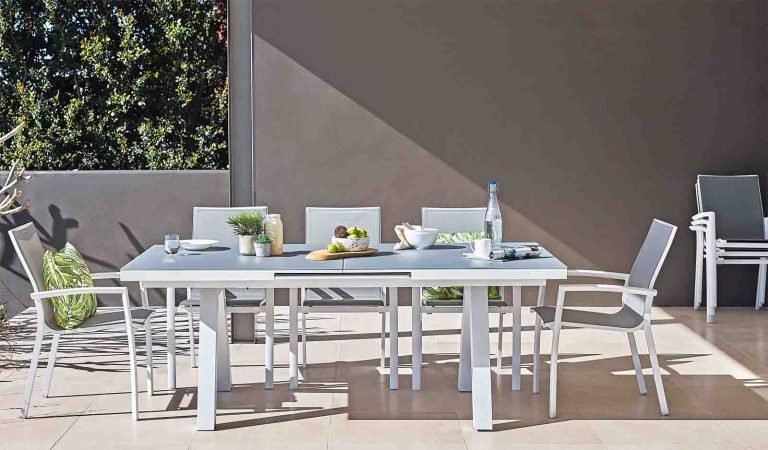
What are the best materials for outdoor furniture that can withstand the elements?
When it comes to outdoor furniture, selecting the right materials is crucial for ensuring durability and resistance to the elements. Here’s a detailed explanation:
1. Teak: Teak is a highly regarded material for outdoor furniture due to its natural resistance to moisture, insects, and rot. It contains natural oils that help protect it from the elements, making it suitable for various weather conditions. Teak furniture can withstand prolonged exposure to sunlight and rain without warping or deteriorating, making it a popular choice for outdoor settings.
2. Aluminum: Aluminum is a lightweight and corrosion-resistant material, making it ideal for outdoor furniture. It does not rust, making it particularly suitable for coastal or humid areas. Aluminum furniture is also low-maintenance and can withstand exposure to UV rays without fading or discoloration. Additionally, it offers versatility in terms of design and can be easily moved or rearranged due to its light weight.
3. Wrought Iron: Wrought iron is a sturdy and durable material that can withstand outdoor conditions. It is highly resistant to wind, rain, and sunlight. Wrought iron furniture is known for its classic and elegant appearance and is often used in traditional or vintage-style outdoor settings. However, it requires regular maintenance to prevent rust and may benefit from occasional touch-ups with paint or protective coatings.
4. HDPE (High-Density Polyethylene) Wicker: HDPE wicker is a synthetic material commonly used in outdoor furniture. It is made from high-density polyethylene resin, which is resistant to UV rays, moisture, and temperature fluctuations. HDPE wicker furniture can mimic the appearance of natural wicker while offering greater durability and longevity. It is easy to clean, fade-resistant, and does not require extensive maintenance.
5. Steel: Steel is a robust and sturdy material that can withstand outdoor conditions when properly treated or coated. Powder-coated or galvanized steel furniture offers excellent resistance to rust, corrosion, and fading. Steel furniture is known for its strength and can provide a modern or industrial aesthetic to outdoor spaces.
6. Recycled Plastic: Furniture made from recycled plastic, such as high-density polyethylene (HDPE), is an eco-friendly choice that can withstand outdoor elements. Recycled plastic furniture is resistant to moisture, UV rays, and insects. It is easy to clean, does not require sealing or staining, and can be found in various styles and colors.
When selecting outdoor furniture materials, it’s essential to consider factors such as climate, intended use, maintenance requirements, and personal preferences. Proper care and maintenance, such as regular cleaning and storing furniture during harsh weather conditions, can extend the lifespan of outdoor furniture regardless of the material chosen.
editor by CX 2023-11-20
China wholesaler Leisure Special CHINAMFG Garden Terrace Sofa Set Outdoor Furniture vacuum pump ac system
Product Description
Leisure special aluminum garden terrace sofa set outdoor furniture
We are a professional manufacturer of outdoor furniture with more than 20 years of experience. Extensive OEM experience gives us the ability to complete your design with simple drawings or pictures.
In every department of our factory have professional quality inspection personnel, they will check every small parts, only achieve the standard parts can flow into the next department, so as to maximize the reduction of defective. Even so, we
have a professional full inspection careful check of the product before packing, in the case of ensure that the product qualified finished packing and waiting for the shipment.
Professional powder coating line strictly controls the CHINAMFG temperature, ensure the stability of product color and powder adhesion. The diversified wood grain color of manual brush is the feature of our factory. The workers brush out the ideal wood grain by hands. The finished product is absolutely thought to be natural wood if you do not touch and knock, to
achieve the effect of wood imitation with aluminum.
We have professional weaving workers those whom with decades of experience, and the woven products are close and smooth. Our factory requires that the products must be woven with long rattan material, to reduce nailing as much as possible. Although the production schedule will be slowed down a lot, it increases the firmness and durability of the
products.
A perfect product is also inseparable from the quality of the packaging. We have various ways of packing, just like normal carton box, dolly pack, shaped box packing etc. We will help customers to save the transportation space base on the perfect protect productions and do our best to save our customers transportation costs.
Our sales team has more than 15 years of experience of outdoor furniture, and understands every production process; we
can solve all kinds of professional problems for you and answer your questions in time. We will give professional suggestion and information to help you choose the right styles. We also provide high resolution photos service and detail photos for
your close checking your orders from beginning producing to loading container.
We have established long term business with more than 30 raw material suppliers. We have an efficient supply chain management system to make sure the delivery on time. We focus on producing outdoor furniture, but also supply Sun-umbrella, bean bags, hammock etc. to support with one-stop shopping service to save your time and cost.
| Material: | Fabric |
|---|---|
| Frame Material: | Aluminum+Outdoor Fabric |
| Style: | Modern |
| Type: | Combination |
| Usage: | Cafe, Restaurant, Hotel |
| Folded: | Unfolded |
| Samples: |
US$ 700/Set
1 Set(Min.Order) | |
|---|
| Customization: |
Available
|
|
|---|
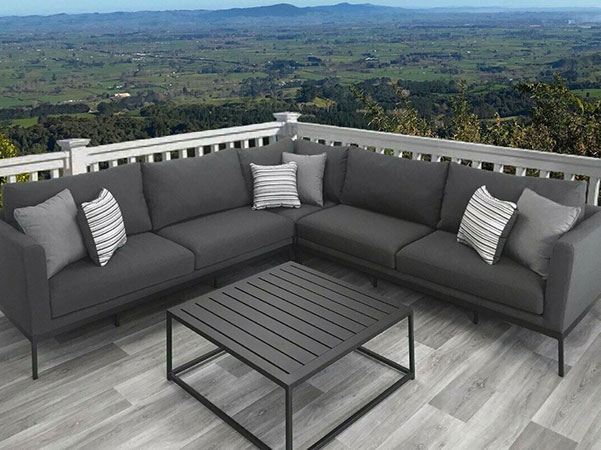
Can I leave my garden furniture outside year-round, or should I store it?
Whether you can leave your garden furniture outside year-round or need to store it depends on several factors, including the type of furniture, the materials it’s made of, and the climate in your area. Here are some considerations to help you decide:
1. Furniture Material:
Different furniture materials have varying levels of durability and resistance to weather conditions. Some materials, like aluminum or teak, are more resistant to moisture, UV rays, and temperature fluctuations, making them suitable for year-round outdoor use. Other materials, such as certain types of wood or wicker, may require more protection and maintenance and might be better stored during harsh weather.
2. Climate:
The climate in your area plays a significant role in determining whether you can leave your garden furniture outside year-round. If you live in a region with mild and temperate weather throughout the year, it may be possible to keep your furniture outdoors. However, if you experience extreme temperatures, heavy rain, snow, or high humidity, it’s generally advisable to store your furniture during the harshest seasons to protect it from potential damage.
3. Maintenance and Protection:
Proper maintenance and protection can significantly extend the lifespan of your outdoor furniture. Even if your furniture is designed for outdoor use, regular cleaning and applying protective treatments, such as sealants or weather-resistant coatings, can help maintain its appearance and durability. However, if you’re unable to provide regular maintenance or protection, storing your furniture during unfavorable weather conditions can help preserve its condition.
4. Available Storage Space:
Consider the availability of storage space when deciding whether to store your garden furniture. If you have ample storage space, storing your furniture during the off-seasons can offer maximum protection and prolong its lifespan. However, if storage space is limited or not available, you may need to explore other options, such as using furniture covers or finding creative ways to protect your furniture from the elements.
5. Personal Preference:
Ultimately, your personal preference and priorities should also be considered. If you value having your garden furniture readily available for use throughout the year and are willing to invest in the necessary maintenance and protection, you may choose to leave it outside. On the other hand, if you prefer the peace of mind and convenience of storing your furniture during unfavorable weather, that may be the best option for you.
It’s important to note that even if your furniture is designed for outdoor use and you decide to leave it outside year-round, it’s still advisable to take precautions, such as using furniture covers, securing the furniture during storms, or moving it to a sheltered area when extreme weather is expected.
Ultimately, the decision to leave your garden furniture outside year-round or store it depends on the specific circumstances and considerations mentioned above. Assess the factors relevant to your situation and choose the option that best suits your furniture, climate, and personal preferences.
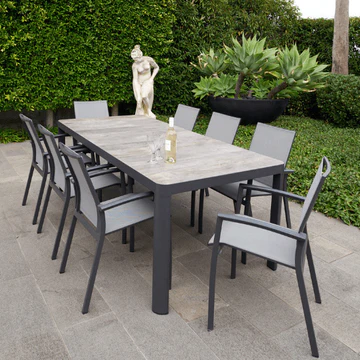
How do I revive old or worn-out garden furniture to extend its lifespan?
If you have old or worn-out garden furniture, there are several steps you can take to revive it and extend its lifespan. By giving your furniture some attention and care, you can restore its appearance, functionality, and durability. Here’s how you can revive old or worn-out garden furniture:
1. Clean the Furniture:
Start by thoroughly cleaning the furniture to remove dirt, grime, and any existing coatings. Use a mild detergent or a specialized cleaner suitable for the furniture material. Scrub the surfaces with a soft brush or sponge, and rinse with water. Cleaning the furniture will help reveal its true condition and prepare it for further restoration steps.
2. Repair Damaged Parts:
Inspect the furniture for any damaged or broken parts, such as loose joints, cracked wood, or rusted metal. Repair or replace these parts as necessary. Tighten screws, apply wood glue to loose joints, and use appropriate repair techniques for different materials. This step will help ensure the structural integrity of the furniture and prevent further damage.
3. Sand the Surfaces:
If the furniture has a worn or rough surface, sanding can help smooth it out and prepare it for refinishing. Use sandpaper with an appropriate grit for the furniture material. Sand in the direction of the wood grain or follow the manufacturer’s recommendations for other materials. Sanding will remove imperfections, old finishes, and provide a clean surface for the next steps.
4. Apply a Fresh Finish:
Consider applying a fresh finish to protect and enhance the appearance of the furniture. The type of finish will depend on the furniture material. For wooden furniture, options include varnish, paint, or stain. Metal furniture may require a rust-resistant primer and paint. Follow the manufacturer’s instructions and apply multiple coats for better durability.
5. Replace or Reupholster Cushions:
If your garden furniture has cushions that are worn-out or faded, consider replacing or reupholstering them. Look for outdoor-grade fabric that is resistant to UV rays and moisture. Measure the dimensions of the cushions and sew or have them professionally reupholstered. This will give your furniture a fresh and comfortable look.
6. Apply Protective Coatings:
To further extend the lifespan of your furniture, consider applying protective coatings. For wooden furniture, use a wood sealer or exterior-grade varnish to protect it from moisture and UV damage. Metal furniture can benefit from a clear coat or rust-resistant spray to prevent corrosion. These coatings will help maintain the appearance and integrity of the furniture.
7. Store Properly:
When not in use, store your garden furniture properly to protect it from harsh weather conditions. If possible, cover the furniture with a waterproof cover or move it to a covered area. Storing furniture indoors during the winter or extreme weather can significantly extend its lifespan.
8. Regular Maintenance:
Maintain your revived furniture by regularly cleaning it and performing minor repairs as needed. Keep an eye out for signs of wear or damage and address them promptly. By maintaining your furniture, you can ensure its longevity and enjoy it for years to come.
By following these steps, you can breathe new life into your old or worn-out garden furniture and extend its lifespan, saving both money and resources in the process.
Can you recommend affordable garden furniture options for a tight budget?
If you have a tight budget but still want to furnish your garden with affordable options, there are several choices available. Here are some recommendations for affordable garden furniture:
1. Plastic Furniture:
Plastic furniture is often more budget-friendly compared to other materials. It is lightweight, easy to clean, and resistant to weather conditions. Look for plastic chairs, tables, and loungers that are designed for outdoor use.
2. Folding Furniture:
Folding furniture is a practical and cost-effective option for outdoor spaces. These pieces are versatile and can be easily folded and stored when not in use. Folding chairs, tables, and benches are available at affordable prices and can provide seating and dining options for your garden.
3. Wooden Furniture:
Wooden furniture can be more affordable than other materials, especially if you choose softwood options like pine or spruce. While these may require more maintenance and may not be as durable as hardwoods, they can still provide a natural and budget-friendly option for your garden.
4. DIY and Upcycled Furniture:
If you’re feeling creative, consider DIY (Do-It-Yourself) or upcycled furniture projects. You can repurpose old furniture or materials to create unique and affordable pieces for your garden. Look for tutorials and inspiration online to get started.
5. Secondhand or Thrifted Furniture:
Check out local thrift stores, yard sales, or online marketplaces for secondhand garden furniture. You may find pre-owned pieces in good condition at significantly lower prices. With some cleaning and minor repairs, you can have affordable and functional furniture for your garden.
6. Sales and Clearance:
Keep an eye out for sales and clearance events at furniture stores or online retailers. These often offer discounted prices on outdoor furniture, allowing you to find affordable options within your budget.
7. Rent or Borrow:
If you only need furniture for a short period or for occasional use, consider renting or borrowing from friends or family. This can be a cost-effective solution that allows you to enjoy outdoor furniture without making a long-term investment.
Remember, while affordable options may have some trade-offs in terms of durability or style, with proper care and maintenance, they can still provide functional and enjoyable outdoor seating and dining areas on a tight budget.
editor by CX 2023-11-20
China Hot selling Stackable CHINAMFG Rattan Indoor Outdoor Wicker Chair Nordic for Restaurant vacuum pump distributors
Product Description
| Product Name | Stackable CHINAMFG Rattan Indoor Outdoor Wicker Chair Nordic for Restaurant |
| Model | VD157136A-SH01 |
| Size (CM) | 54*60*79CM |
| Color | Optional |
| Material | Aluminum frame with PE rattan weaving |
| Frame | Assembled by screw. Anodized shinny finish. |
| Packing | In stack by paper sheet |
| Loading qty | 468pcs/20GP 1140pcs/40HQ |
| MOQ | 50pcs |
| Sample | Available. Sample cost can be negotiated to return in the following bulk order. |
| Delivery time | Generally 35-45 days for full container and 7-15 days for sample. |
| Warranty | 2 years |
| OEM&ODM | OEM&ODM service is available. We have great capacity to meet your demands. |
*Application: Hotel, restaurant, bistro, bar, cafe terrace as well as garden, balcony, courtyard etc..
*Feature: Anti UV, waterproof, environmental friendly, easy maintenance, comfortable and durable.
HangZhou Xihu (West Lake) Dis. Guiren Metal Product Co., Ltd. locates in HangZhou City, ZheJiang Province, China. We professionally supply rattan, aluminum, plastic wood, outdoor fabric and rope furniture etc.. It’s widely used for hotel/restaurant/bar/cafe/bistro terrace as well as garden/balcony/courtyard etc.
We’re manufacturing and trading company. Our factory occupies around 8000 square CHINAMFG and owns 100 skilled staffs. By applying semi-automatic production equipment and employing experienced QC, it enables to output more than 300 containers annually with quality guaranteed. OEM service is available. We have 10 members sales team who can provide professional 1 stop service in time and under high efficiency.
| Material: | Rattan / Wicker |
|---|---|
| Style: | European |
| Folded: | Unfolded |
| Usage: | Bar, Hotel, Dining Room, Outdoor, Restaurant |
| Condition: | New |
| Customized: | Customized |
| Samples: |
US$ 42/Piece
1 Piece(Min.Order) | |
|---|
| Customization: |
Available
|
|
|---|
How do aluminum chairs enhance the overall aesthetics of indoor and outdoor spaces?
Aluminum chairs have the ability to enhance the overall aesthetics of both indoor and outdoor spaces. Their design, material properties, and versatility contribute to creating an appealing and cohesive environment. Here’s how aluminum chairs enhance the aesthetics of indoor and outdoor spaces:
1. Sleek and Modern Design:
Aluminum chairs often feature sleek and modern designs that add a contemporary touch to any space. They have clean lines, smooth surfaces, and minimalist profiles that create a visually appealing look. These chairs can complement a variety of interior design styles, from modern and industrial to minimalist and Scandinavian, adding a touch of sophistication and elegance to indoor spaces.
2. Range of Styles and Finishes:
Aluminum chairs come in a wide range of styles and finishes, allowing for customization and coordination with the existing decor. Whether you prefer a polished metallic look, a matte finish, or even vibrant colors, there are aluminum chair options to suit various design preferences. The availability of different styles and finishes enables you to choose chairs that seamlessly blend with the overall aesthetic of the space.
3. Visual Lightness:
Aluminum chairs have a visual lightness due to their lightweight nature and slender profiles. This lightness creates an open and airy atmosphere, making the space feel more spacious and inviting. In indoor settings, aluminum chairs can help create an uncluttered and modern ambiance. Outdoors, the visual lightness of aluminum chairs allows the natural surroundings to take focus, enhancing the overall aesthetic appeal of the outdoor space.
4. Contrast and Complement:
Aluminum chairs can be used to create visual contrast or complement other elements in the space. For instance, in indoor settings with wooden floors or tables, the sleek metallic finish of aluminum chairs can provide an interesting contrast that adds visual interest. Alternatively, aluminum chairs can be chosen to match or complement other metallic accents or materials present in the space, creating a cohesive and harmonious design scheme.
5. Indoor-Outdoor Continuity:
Aluminum chairs are versatile and can seamlessly transition between indoor and outdoor spaces. Using the same or similar aluminum chairs in both areas creates a sense of continuity and connection. This continuity enhances the overall aesthetic appeal of the space, as the design elements flow cohesively from one area to another. It also allows for a seamless transition for users, maintaining a consistent visual language throughout the environment.
6. Weather Resistance:
For outdoor spaces, aluminum chairs offer practical benefits in addition to aesthetics. Their weather-resistant properties make them suitable for use in various climates and outdoor environments. They can withstand exposure to sunlight, rain, and moisture without significant damage or color fading. The ability of aluminum chairs to maintain their appearance and quality over time contributes to the long-term aesthetics of outdoor spaces.
By incorporating aluminum chairs into indoor and outdoor spaces, you can enhance the overall aesthetics by introducing sleek and modern designs, coordinating styles and finishes, creating visual lightness, and achieving continuity and contrast. The versatility and weather-resistant properties of aluminum chairs further contribute to the long-lasting appeal of the spaces they occupy.
How can I maintain and care for my aluminum chairs to extend their lifespan?
To extend the lifespan of your aluminum chairs and keep them looking their best, it’s important to follow proper maintenance and care practices. Here are some tips to help you maintain and care for your aluminum chairs:
1. Regular Cleaning:
Clean your aluminum chairs regularly to remove dirt, dust, and other debris that can accumulate on the surface. Use a mild soap or detergent mixed with water and a soft cloth or sponge to gently clean the chairs. Avoid using abrasive cleaners or brushes that can scratch the aluminum surface.
2. Remove Stains:
If your aluminum chairs develop stains, such as from food or beverages, clean them as soon as possible to prevent the stains from setting in. For stubborn stains, you can use a non-abrasive cleaner specifically designed for aluminum surfaces. Follow the manufacturer’s instructions and rinse the chairs thoroughly after cleaning.
3. Protective Wax or Clear Coat:
Consider applying a protective wax or clear coat to the aluminum chairs to provide an additional layer of protection against the elements. These products can help maintain the chair’s finish and provide resistance to UV rays, moisture, and other environmental factors. Follow the manufacturer’s instructions when applying the protective coating.
4. Avoid Harsh Chemicals:
Avoid using harsh chemicals, solvents, or abrasive cleaners on your aluminum chairs, as they can damage the finish and surface of the chairs. This includes cleaners containing bleach, ammonia, or acidic ingredients. Stick to mild soaps or cleaners specifically formulated for use on aluminum surfaces.
5. Store Properly:
If you plan to store your aluminum chairs during the off-season or in inclement weather, it’s best to store them in a dry and well-ventilated area. Before storing, ensure the chairs are clean and completely dry to prevent moisture buildup, which can lead to corrosion. If possible, cover the chairs with a protective cover to shield them from dust and debris.
6. Inspect for Damage:
Regularly inspect your aluminum chairs for any signs of damage, such as dents, scratches, or loose joints. Promptly address any issues to prevent them from worsening. For minor scratches, you can use touch-up paint specifically designed for aluminum. For more significant damage or structural issues, consult the manufacturer or a professional for appropriate repair options.
By following these maintenance and care tips, you can help extend the lifespan of your aluminum chairs and keep them in excellent condition. It’s also important to refer to the manufacturer’s guidelines and recommendations for specific care instructions, as different chair designs and finishes may have specific requirements.

Are there specific types of aluminum alloys used in manufacturing chairs?
Yes, specific types of aluminum alloys are commonly used in the manufacturing of chairs. These aluminum alloys are chosen for their desirable properties such as strength, durability, and corrosion resistance. Here are some of the commonly used aluminum alloys in chair manufacturing:
1. Aluminum Alloy 6061: This is one of the most widely used aluminum alloys in various industries, including furniture manufacturing. It offers excellent strength and corrosion resistance. Chairs made with 6061 alloy are lightweight yet sturdy, making them suitable for both indoor and outdoor use.
2. Aluminum Alloy 5052: This alloy is known for its high fatigue strength and good resistance to atmospheric corrosion. It is commonly used in marine applications, but it can also be found in furniture manufacturing, including chairs. Aluminum chairs made with 5052 alloy are durable and suitable for outdoor environments.
3. Aluminum Alloy 6063: This alloy is often used in architectural applications, including furniture design. It has good extrudability, allowing for complex shapes and designs. Chairs made with 6063 alloy are lightweight, corrosion-resistant, and can be easily customized to achieve specific aesthetics.
4. Aluminum Alloy 7075: This is a high-strength aluminum alloy often used in applications that require exceptional strength, such as aerospace and sporting goods. While less common in chair manufacturing, it may be used in specialized chairs that require superior strength and durability.
These are just a few examples of the aluminum alloys used in chair manufacturing. The specific alloy chosen will depend on factors such as the intended use of the chair, desired strength, weight, and resistance to corrosion. Manufacturers may also apply surface finishes or coatings to further enhance the appearance and durability of the chairs.
It’s worth noting that different manufacturers may use different alloys or proprietary blends for their chairs. Therefore, if you are interested in a particular chair, it’s best to consult the manufacturer or refer to the product specifications for detailed information about the specific aluminum alloy used.
editor by CX 2023-11-20
China Standard Factory Supply Leisure Aluminium Wicker Patio Garden Outdoor Furniture vacuum pump oil
Product Description
Brighthome can supply aluminum furniture, aluminum sofa, bench, stainless steel furniture, outdoor furniture, Outdoor Sofa, Garden Sofa, Rattan Sofa, Leisure Sofa, garden Furniture, patio furniture, leisure furniture etc.
Product Specification:
| Left corner sofa | 134*80*79cm | Aluminium+PE Rattan |
| Right corner sofa | 134*80*79cm | |
| Middle corner sofa | 112*120*79cm | |
| Table | 110*65*50cm |
| Material: | Aluminum+PE Rattan |
|---|---|
| Style: | European |
| Usage: | Bar, Hotel, Dining Room, Outdoor, Outdoor and Indoor |
| Folded: | Unfolded |
| Customized: | Customized |
| Condition: | New |
| Samples: |
US$ 651/Set
1 Set(Min.Order) | |
|---|
| Customization: |
Available
|
|
|---|
Can I leave aluminum garden furniture outside year-round, or should I store it?
While aluminum garden furniture is generally designed to withstand outdoor conditions, it is recommended to take certain precautions to ensure its longevity. Here are some factors to consider when deciding whether to leave your aluminum furniture outside year-round or store it:
1. Climate:
The climate in your area plays a significant role in determining whether you should leave your aluminum furniture outside year-round. In regions with mild climates and minimal extreme weather conditions, such as moderate temperatures and low humidity, it is usually safe to leave the furniture outdoors.
2. Harsh Weather:
If you live in an area with harsh weather conditions, such as extreme heat, heavy rain, snow, or high winds, it is advisable to store your aluminum furniture during these periods. Prolonged exposure to such elements can gradually affect the appearance and durability of the furniture.
3. UV Exposure:
Direct and prolonged exposure to sunlight can cause fading or discoloration of the furniture’s finish over time. If your aluminum furniture is consistently exposed to intense sunlight, it may be beneficial to provide shade or use protective covers to minimize UV damage.
4. Maintenance Effort:
Leaving your aluminum furniture outside year-round may require more maintenance to keep it in good condition. Regular cleaning, applying protective coatings, and addressing any signs of damage or wear become even more important when the furniture is exposed to outdoor elements continuously.
5. Storage Space:
If you have sufficient storage space available, storing your aluminum furniture during periods of non-use or harsh weather can help prolong its lifespan. Storing the furniture in a dry and well-ventilated area, such as a garage, shed, or covered patio, can provide additional protection.
6. Furniture Covers:
If leaving your aluminum furniture outside year-round, consider using furniture covers designed for outdoor use. Quality covers can help protect the furniture from dust, dirt, UV rays, and moisture. Ensure that the covers are properly fitted and secure to prevent wind damage.
7. Manufacturer’s Recommendations:
Refer to the manufacturer’s recommendations or care instructions for your specific aluminum furniture. They may provide guidance on whether the furniture is suitable for year-round outdoor use or if it is advisable to store it during certain conditions.
In conclusion, while aluminum garden furniture is generally durable and weather-resistant, storing it during harsh weather conditions and providing regular maintenance can help prolong its lifespan and keep it in optimal condition. Consider the climate, weather patterns, UV exposure, maintenance effort, storage space availability, and manufacturer’s recommendations to make an informed decision on whether to leave your aluminum furniture outside year-round or store it.

How do I prevent mold and mildew from developing on aluminum garden furniture cushions?
To prevent mold and mildew from developing on aluminum garden furniture cushions, you can take several preventive measures. Here are some effective methods to consider:
1. Proper Storage:
When not in use, it’s essential to store your aluminum garden furniture cushions properly. Make sure to remove the cushions from the furniture and store them in a dry and well-ventilated area. Avoid storing them in damp or humid environments, as this can encourage mold and mildew growth.
2. Regular Cleaning:
Regularly cleaning your aluminum garden furniture cushions is crucial for preventing mold and mildew. Use a mild detergent or specialized fabric cleaner to clean the cushions, following the manufacturer’s instructions. Scrub gently with a soft brush or sponge and rinse thoroughly with water. Allow the cushions to dry completely before placing them back on the furniture.
3. Adequate Air Circulation:
Proper air circulation is essential to prevent mold and mildew growth. Avoid covering the cushions with impermeable materials, such as plastic or vinyl covers, for extended periods. These covers can trap moisture and create a favorable environment for mold and mildew. Instead, use breathable covers or consider removing the cushions during periods of high humidity or rain.
4. Use of Moisture Barriers:
Consider using moisture barriers between the cushions and the furniture to prevent moisture buildup. There are various options available, such as waterproof cushion covers, moisture-resistant fabric liners, or adding a layer of waterproof material between the cushions and the furniture. These barriers can help repel moisture and inhibit the growth of mold and mildew.
5. Regular Inspection:
Regularly inspect your aluminum garden furniture cushions for any signs of mold or mildew. Check for visible stains, discoloration, or musty odors, which may indicate the presence of mold or mildew. If you notice any signs, take immediate action to clean and treat the affected areas using appropriate mold and mildew cleaners or solutions.
6. Sun Exposure:
Exposing your cushions to sunlight can help prevent mold and mildew growth. Mold and mildew thrive in dark and damp conditions, so placing your cushions in direct sunlight periodically can help dry out any moisture and inhibit their growth. However, be cautious not to expose the cushions to excessive sunlight for extended periods, as it can cause fading or damage to the fabric.
By implementing these preventive measures, you can significantly reduce the risk of mold and mildew development on your aluminum garden furniture cushions. Regular maintenance and proper care will help ensure that your cushions remain clean, fresh, and mold-free, allowing you to enjoy your outdoor space comfortably.

Are there eco-friendly or sustainable options for aluminum garden furniture?
Yes, there are eco-friendly and sustainable options available for aluminum garden furniture. When shopping for environmentally conscious choices, consider the following:
1. Recycled Aluminum:
Look for aluminum garden furniture that is made from recycled materials. Using recycled aluminum helps reduce the demand for new raw materials and minimizes the environmental impact of the manufacturing process. Some manufacturers specifically highlight their use of recycled aluminum in their products.
2. Sustainable Manufacturing Practices:
Choose brands or manufacturers that prioritize sustainable manufacturing practices. Look for certifications or labels such as Forest Stewardship Council (FSC), Sustainable Furnishings Council (SFC), or Cradle to Cradle that indicate a commitment to responsible sourcing, energy efficiency, waste reduction, and other sustainable practices.
3. Low-impact Coatings:
Consider aluminum garden furniture that uses low-impact coatings or finishes. Traditional painting and coating processes can involve harmful chemicals and contribute to pollution. Opt for furniture that uses eco-friendly, water-based or powder-coated finishes that have lower environmental impact.
4. Longevity and Durability:
Choose aluminum garden furniture that is built to last. Investing in high-quality, durable furniture reduces the need for frequent replacements, which in turn reduces waste. Look for furniture with solid construction, reinforced joints, and corrosion-resistant features to ensure longevity.
5. End-of-life Considerations:
When selecting aluminum garden furniture, consider how it can be recycled or disposed of responsibly at the end of its life. Look for furniture that is designed for disassembly, making it easier to recycle or repurpose the different components. Some manufacturers may provide recycling programs or guidance on proper disposal.
6. Local and Handcrafted Options:
Support local artisans or craftsmen who create aluminum garden furniture using sustainable practices. Choosing locally made furniture reduces transportation emissions and supports local economies.
7. Second-hand and Vintage:
Consider purchasing second-hand or vintage aluminum garden furniture. This option extends the lifespan of the furniture and reduces the demand for new production. Look for local thrift stores, online marketplaces, or community platforms for pre-owned furniture.
By considering these eco-friendly and sustainable options, you can make more environmentally conscious choices when selecting aluminum garden furniture. Remember to research brands, certifications, and manufacturing processes to ensure that the furniture aligns with your sustainability goals and values.
editor by CX 2023-11-20
China best Hight Quality Laser Cutting Construction High Pressure Variable Frequency Screw Air Compressor lowes air compressor
Product Description
Product Description
Detailed Photos
Product Parameters
| Model | KAPM-30A-20 |
| Power(KW) | 22 |
| Pressure(Bar) | 20 |
| Volume flow(m3/min) | 1.7 |
| Pipe Diameter | G1 |
| Weight(kg) | 420/690 |
| Dimension(mm) | 1070×850×1140mm 1800×850×1930mm(combined type) |
Certifications
Packaging & Shipping
Installation Instructions
Company Profile
ZheJiang Kingair Industrial Co., Ltd., is the core technology solution provider for compressed gas system solutions, with mature operation experience and excellent brand reputation in the 3 major areas : product system, core technology and solutions.
The company has strong comprehensive strength, the factory is located in Xihu (West Lake) Dis., ZheJiang , covers an area of 30000 square meters, has a strong equipment production capacity. In the course of 20 years of operation and development, we have always adhered to the enterprise spirit of
“professionalism, innovation, energy saving and service”, deeply implemented the strategic policy of environmental protection and low carbon, and realized the construction of high intelligent and efficient air pressure system industry chain.
Kingair focuses on R&D, production and trade, and produces air compressor products with stable overall performance, advanced control system, superior, gas environment, reasonable design, higher efficiency and longer service life.
Each product of the company has passed the IS09000 quality management system certification, European CE, ISO certification, etc., and has established a complete set of mature foreign trade operation system. The products are popular in more than 80 countries and regions in Asia, Europe,Africa and America.
FAQ
Q1. Is KINGAIR trading company or manufacturer ?
A: We are professional manufacturer of screw air compressor, more than 20 years experience.
Q2. How long is KINGAIR delivery time ?
A: KINGAIR standard delivery time is 15 working days after confirmed order.For the other non-standard requirements will be discussed case by case.
Q3. How about your after-sales service?
A: 1. Provide customers with installation and commissioning online instructions.
2. Well-trained engineers available to overseas service.
3. CHINAMFG agents and after service available arrange our engineers to help you training and installation.
Q4. What is the available voltage KINGAIR compressor?
A:KINGAIR available voltage include 380v/50hz/3p,400v/50hz/3p,415v/50hz/3p,220v/60hz/3p,440v/60hz/3p,And
KIGNAIR also supplies the required voltage.
Q5. Do you have any certificate ?
A: Yes, according to customer’s market need, we can offer CE certificate, ISO certificate, etc.
Q6. Do you offer OEM service ?
A: Yes, both OEM & ODM service can be accepted.
Q7. Can KINGAIR machines be run in high temperature environment?What is working temperature range?
A: Yes, KINGAIR machines would run in high temperature environment countries.Such as India, UAE,South Africa, Saudi Arabia, Iraq, Pakistan,etc.
| After-sales Service: | on Line Technical Support |
|---|---|
| Warranty: | 1 Year |
| Lubrication Style: | Lubricated |
| Cooling System: | Air Cooling |
| Power Source: | AC Power |
| Cylinder Position: | Horizontal |
| Samples: |
US$ 4300/Piece
1 Piece(Min.Order) | |
|---|
| Customization: |
Available
|
|
|---|
.webp)
What is the role of air compressors in power generation?
Air compressors play a significant role in power generation, supporting various operations and equipment within the industry. Here are some key roles of air compressors in power generation:
1. Combustion Air Supply:
Air compressors are used to supply compressed air for the combustion process in power generation. In fossil fuel power plants, such as coal-fired or natural gas power plants, compressed air is required to deliver a steady flow of air to the burners. The compressed air helps in the efficient combustion of fuel, enhancing the overall performance and energy output of the power plant.
2. Instrumentation and Control:
Air compressors are utilized for instrumentation and control systems in power generation facilities. Compressed air is used to operate pneumatic control valves, actuators, and other pneumatic devices that regulate the flow of steam, water, and gases within the power plant. The reliable and precise control provided by compressed air ensures efficient and safe operation of various processes and equipment.
3. Cooling and Ventilation:
In power generation, air compressors are involved in cooling and ventilation applications. Compressed air is used to drive air-operated cooling fans and blowers, providing adequate airflow for cooling critical components such as generators, transformers, and power electronics. The compressed air also assists in maintaining proper ventilation in control rooms, substations, and other enclosed spaces, helping to dissipate heat and ensure a comfortable working environment.
4. Cleaning and Maintenance:
Air compressors are employed for cleaning and maintenance tasks in power generation facilities. Compressed air is utilized to blow away dust, dirt, and debris from equipment, machinery, and electrical panels. It helps in maintaining the cleanliness and optimal performance of various components, reducing the risk of equipment failure and improving overall reliability.
5. Pneumatic Tools and Equipment:
In power generation plants, air compressors provide the necessary compressed air for operating pneumatic tools and equipment. These tools include impact wrenches, pneumatic drills, grinders, and sandblasting equipment, which are utilized for installation, maintenance, and repair tasks. The high-pressure air generated by compressors enables efficient and reliable operation of these tools, enhancing productivity and reducing manual effort.
6. Nitrogen Generation:
Sometimes, air compressors are used in power generation for nitrogen generation. Compressed air is passed through a nitrogen generator system, which separates nitrogen from other components of air, producing a high-purity nitrogen gas stream. Nitrogen is commonly used in power plant applications, such as purging systems, blanketing in transformers, and generator cooling, due to its inert properties and low moisture content.
7. Start-up and Emergency Systems:
Air compressors are an integral part of start-up and emergency systems in power generation. Compressed air is utilized to power pneumatic starters for gas turbines, providing the initial rotation needed to start the turbine. In emergency situations, compressed air is also used to actuate emergency shutdown valves, safety systems, and fire suppression equipment, ensuring the safe operation and protection of the power plant.
Overall, air compressors contribute to the efficient and reliable operation of power generation facilities, supporting combustion processes, control systems, cooling, cleaning, and various other applications critical to the power generation industry.
What are the environmental considerations when using air compressors?
When using air compressors, there are several environmental considerations to keep in mind. Here’s an in-depth look at some of the key factors:
Energy Efficiency:
Energy efficiency is a crucial environmental consideration when using air compressors. Compressing air requires a significant amount of energy, and inefficient compressors can consume excessive power, leading to higher energy consumption and increased greenhouse gas emissions. It is important to choose energy-efficient air compressors that incorporate features such as Variable Speed Drive (VSD) technology and efficient motor design, as they can help minimize energy waste and reduce the carbon footprint.
Air Leakage:
Air leakage is a common issue in compressed air systems and can contribute to energy waste and environmental impact. Leaks in the system result in the continuous release of compressed air, requiring the compressor to work harder and consume more energy to maintain the desired pressure. Regular inspection and maintenance of the compressed air system to detect and repair leaks can help reduce air loss and improve overall energy efficiency.
Noise Pollution:
Air compressors can generate significant noise levels during operation, which can contribute to noise pollution. Prolonged exposure to high noise levels can have detrimental effects on human health and well-being and can also impact the surrounding environment and wildlife. It is important to consider noise reduction measures such as sound insulation, proper equipment placement, and using quieter compressor models to mitigate the impact of noise pollution.
Emissions:
While air compressors do not directly emit pollutants, the electricity or fuel used to power them can have an environmental impact. If the electricity is generated from fossil fuels, the associated emissions from power plants contribute to air pollution and greenhouse gas emissions. Choosing energy sources with lower emissions, such as renewable energy, can help reduce the environmental impact of operating air compressors.
Proper Waste Management:
Proper waste management is essential when using air compressors. This includes the appropriate disposal of compressor lubricants, filters, and other maintenance-related materials. It is important to follow local regulations and guidelines for waste disposal to prevent contamination of soil, water, or air and minimize the environmental impact.
Sustainable Practices:
Adopting sustainable practices can further reduce the environmental impact of using air compressors. This can include implementing preventive maintenance programs to optimize performance, reducing idle time, and promoting responsible use of compressed air by avoiding overpressurization and optimizing system design.
By considering these environmental factors and taking appropriate measures, it is possible to minimize the environmental impact associated with the use of air compressors. Choosing energy-efficient models, addressing air leaks, managing waste properly, and adopting sustainable practices can contribute to a more environmentally friendly operation.
.webp)
What are the safety considerations when operating an air compressor?
Operating an air compressor requires careful attention to safety to prevent accidents, injuries, and equipment damage. Here are some important safety considerations to keep in mind:
1. Read the Manual: Before operating an air compressor, thoroughly read and understand the manufacturer’s instruction manual. Familiarize yourself with the specific safety guidelines, recommended operating procedures, and any specific precautions or warnings provided by the manufacturer.
2. Proper Ventilation: Ensure that the area where the air compressor is operated has adequate ventilation. Compressed air can produce high levels of heat and exhaust gases. Good ventilation helps dissipate heat, prevent the buildup of fumes, and maintain a safe working environment.
3. Personal Protective Equipment (PPE): Always wear appropriate personal protective equipment, including safety glasses or goggles, hearing protection, and non-slip footwear. Depending on the task, additional PPE such as gloves, a dust mask, or a face shield may be necessary to protect against specific hazards.
4. Pressure Relief: Air compressors should be equipped with pressure relief valves or devices to prevent overpressurization. Ensure that these safety features are in place and functioning correctly. Regularly inspect and test the pressure relief mechanism to ensure its effectiveness.
5. Secure Connections: Use proper fittings, hoses, and couplings to ensure secure connections between the air compressor, air tools, and accessories. Inspect all connections before operation to avoid leaks or sudden hose disconnections, which can cause injuries or damage.
6. Inspect and Maintain: Regularly inspect the air compressor for any signs of damage, wear, or leaks. Ensure that all components, including hoses, fittings, and safety devices, are in good working condition. Follow the manufacturer’s recommended maintenance schedule to keep the compressor in optimal shape.
7. Electrical Safety: If the air compressor is electric-powered, take appropriate electrical safety precautions. Use grounded outlets and avoid using extension cords unless approved for the compressor’s power requirements. Protect electrical connections from moisture and avoid operating the compressor in wet or damp environments.
8. Safe Start-Up and Shut-Down: Properly start and shut down the air compressor following the manufacturer’s instructions. Ensure that all air valves are closed before starting the compressor and release all pressure before performing maintenance or repairs.
9. Training and Competence: Ensure that operators are adequately trained and competent in using the air compressor and associated tools. Provide training on safe operating procedures, hazard identification, and emergency response protocols.
10. Emergency Preparedness: Have a clear understanding of emergency procedures and how to respond to potential accidents or malfunctions. Know the location of emergency shut-off valves, fire extinguishers, and first aid kits.
By adhering to these safety considerations and implementing proper safety practices, the risk of accidents and injuries associated with operating an air compressor can be significantly reduced. Prioritizing safety promotes a secure and productive working environment.
editor by CX 2023-11-16
China best Air Compressor 3936808 3949095 for CHINAMFG Engine 6bt 6CT 12v air compressor
Product Description
Product Description
Air Compressor 3936808 3949095 for CHINAMFG Engine 6bt 6CT
| Engine Type | K19/K38/K50/QSK19/QSK38/QSM11 |
| Parts No. | 3936808 |
| Part Name | Air Compressor |
| Packing | Neutral Package or As Customized Requirement |
| Delivery Time | 3-7 Days |
| Condition | 100% New |
| MOQ | 1 Piece |
| Warranty | 3 Months |
| Shipment | By Express(DHL/Fedex/UPS),By sea,By air |
| Payment | T/T , D/P , Money Gram , L/C , Western Union |
Related Products
| Main Engine Model | ||||
| KTA19 | KTAA19 | KTTA19 | QSk19 | QSKTAA19 |
| NT855 | NTA855 | NTAA855 | KT38 | KTA38 |
| KT50 | KTA50 | KTTA50 | M11 | MTA11 |
| MTAA11 | 4BT | 6BT | 6CT | ISF |
| Products Include | ||
| Injector | Cylinder Head | Crankshaft |
| Camshafts | Valve Train Parts | Connecting Rod |
| Cylinder Liners | Piston | Piston Ring |
| Bearings and Bush | Fuel Pump | Oil Pump |
| Water Pump | Air Compressors | Turbocharger |
| Flywheels | Gasket | Bolts |
| Starter | Alternator | Vibration Dampers |
Packaging & Shipping
Company Profile
ZheJiang Jielot trading Co., Ltd. was established in March 2019, located in Xihu (West Lake) Dis., ZheJiang , China, close to ZheJiang CHINAMFG Engine Factory-CCEC.
We can supply CUMMINS engines and generator sets for mining, Marine and land use. Various series of parts can also be provided.main product series:CCEC ,DCEC XCEC : QSB5.9, QSB6.7, KTA19, KTA38, KTA50, NTA855, M11, QSM11, ISM11, QSX15, QSL9, 6BT5.9, 6CT8.3 ,4BT , Fleetguard filter ,HOLSET turbocharger,Air compressor and so on.
We have a strategic cooperative relationship with the largest CHINAMFG distributor in China, and we have a coexisting relationship with the largest OEM factory. We can provide genuine Cummins parts or high-quality parts,Aftermarket quality parts, giving you a dual choice, so that you can choose more suitable for your price and quality.
We have cooperated with Thailand, Singapore, Malaysia, Indonesia, Dubai, Russia, Morocco, Germany and many other countries, and our products have been unanimously recognized. we have a complete set of procedures, in the quotation, procurement, delivery, transportation of mature solutions, to solve your worries.
Certifications
Exhibition & Customer
Our Advantages
1. We have more than 3 years of experience in CHINAMFG diesel engine parts.
2. We cooperate with many certificated OEM factories of CHINAMFG who have advanced equipment and technology.
3. High Quality + Reasonable Price + Quick Response + Technical Support is what we are trying to offer you the best cooperation experience.
FAQ
Q1:What is your terms of payment?
A1:T/T 30% as deposit,and 70% before delivery. We’ll show you the photos of the products and packages before you pay the balance.
Q2:How about your delivery time?
A2:Generally, it will take 7 days for air order and 20 to 30 days for sea order after receiving your advance payment. The specific delivery time depends on the items and the quantity of your order.
Q3:Do you have MOQ?
A3:For general parts,we don’t have MOQ,1 piece can be sold,but for some parts like bearing,piston we may have MOQ like 6pcs,12pcs,but we will inform if there is any MOQ for special parts.
Q4:How to contact you?
A4:You can send inquiry to us directly or you can contact us by email phone call,WhatsApp,WeChat,Facebook and Skype. We will try to reply you as soon as possible.
Q5:How long is the production cycle (lead time) ?
A5:For engine parts, we usually have enough stock; For engines, usually around 10-20 days; For stock engine, usually 1 week.
Q6:How do you make our business long-term and keep good relationship?
A6:1. We keep good quality and competitive price to ensure our customers benefit.
2. We respect every customer as our friend and we sincerely do business and make friends with them,no matter.
| After-sales Service: | 1 Years |
|---|---|
| Warranty: | 1 Years |
| Lubrication Style: | Lubricated |
| Customization: |
Available
|
|
|---|
.shipping-cost-tm .tm-status-off{background: none;padding:0;color: #1470cc}
| Shipping Cost:
Estimated freight per unit. |
about shipping cost and estimated delivery time. |
|---|
| Payment Method: |
|
|---|---|
|
Initial Payment Full Payment |
| Currency: | US$ |
|---|
| Return&refunds: | You can apply for a refund up to 30 days after receipt of the products. |
|---|
.webp)
What role do air dryers play in compressed air systems?
Air dryers play a crucial role in compressed air systems by removing moisture and contaminants from the compressed air. Compressed air, when generated, contains water vapor from the ambient air, which can condense and cause issues in the system and end-use applications. Here’s an overview of the role air dryers play in compressed air systems:
1. Moisture Removal:
Air dryers are primarily responsible for removing moisture from the compressed air. Moisture in compressed air can lead to problems such as corrosion in the system, damage to pneumatic tools and equipment, and compromised product quality in manufacturing processes. Air dryers utilize various techniques, such as refrigeration, adsorption, or membrane separation, to reduce the dew point of the compressed air and eliminate moisture.
2. Contaminant Removal:
In addition to moisture, compressed air can also contain contaminants like oil, dirt, and particles. Air dryers help in removing these contaminants to ensure clean and high-quality compressed air. Depending on the type of air dryer, additional filtration mechanisms may be incorporated to enhance the removal of oil, particulates, and other impurities from the compressed air stream.
3. Protection of Equipment and Processes:
By removing moisture and contaminants, air dryers help protect the downstream equipment and processes that rely on compressed air. Moisture and contaminants can negatively impact the performance, reliability, and lifespan of pneumatic tools, machinery, and instrumentation. Air dryers ensure that the compressed air supplied to these components is clean, dry, and free from harmful substances, minimizing the risk of damage and operational issues.
4. Improved Productivity and Efficiency:
Utilizing air dryers in compressed air systems can lead to improved productivity and efficiency. Dry and clean compressed air reduces the likelihood of equipment failures, downtime, and maintenance requirements. It also prevents issues such as clogging of air lines, malfunctioning of pneumatic components, and inconsistent performance of processes. By maintaining the quality of compressed air, air dryers contribute to uninterrupted operations, optimized productivity, and cost savings.
5. Compliance with Standards and Specifications:
Many industries and applications have specific standards and specifications for the quality of compressed air. Air dryers play a vital role in meeting these requirements by ensuring that the compressed air meets the desired quality standards. This is particularly important in industries such as food and beverage, pharmaceuticals, electronics, and automotive, where clean and dry compressed air is essential for product integrity, safety, and regulatory compliance.
By incorporating air dryers into compressed air systems, users can effectively control moisture and contaminants, protect equipment and processes, enhance productivity, and meet the necessary quality standards for their specific applications.
What is the impact of altitude on air compressor performance?
The altitude at which an air compressor operates can have a significant impact on its performance. Here are the key factors affected by altitude:
1. Decreased Air Density:
As altitude increases, the air density decreases. This means there is less oxygen available per unit volume of air. Since air compressors rely on the intake of atmospheric air for compression, the reduced air density at higher altitudes can lead to a decrease in compressor performance.
2. Reduced Airflow:
The decrease in air density at higher altitudes results in reduced airflow. This can affect the cooling capacity of the compressor, as lower airflow hampers the dissipation of heat generated during compression. Inadequate cooling can lead to increased operating temperatures and potential overheating of the compressor.
3. Decreased Power Output:
Lower air density at higher altitudes also affects the power output of the compressor. The reduced oxygen content in the air can result in incomplete combustion, leading to decreased power generation. As a result, the compressor may deliver lower airflow and pressure than its rated capacity.
4. Extended Compression Cycle:
At higher altitudes, the air compressor needs to work harder to compress the thinner air. This can lead to an extended compression cycle, as the compressor may require more time to reach the desired pressure levels. The longer compression cycle can affect the overall efficiency and productivity of the compressor.
5. Pressure Adjustments:
When operating an air compressor at higher altitudes, it may be necessary to adjust the pressure settings. As the ambient air pressure decreases with altitude, the compressor’s pressure gauge may need to be recalibrated to maintain the desired pressure output. Failing to make these adjustments can result in underinflated tires, improper tool performance, or other issues.
6. Compressor Design:
Some air compressors are specifically designed to handle higher altitudes. These models may incorporate features such as larger intake filters, more robust cooling systems, and adjusted compression ratios to compensate for the reduced air density and maintain optimal performance.
7. Maintenance Considerations:
Operating an air compressor at higher altitudes may require additional maintenance and monitoring. It is important to regularly check and clean the intake filters to ensure proper airflow. Monitoring the compressor’s operating temperature and making any necessary adjustments or repairs is also crucial to prevent overheating and maintain efficient performance.
When using an air compressor at higher altitudes, it is advisable to consult the manufacturer’s guidelines and recommendations specific to altitude operations. Following these guidelines and considering the impact of altitude on air compressor performance will help ensure safe and efficient operation.
.webp)
Can air compressors be used for automotive applications?
Yes, air compressors can be used for various automotive applications and are commonly found in automotive repair shops, garages, and even in some vehicles. Here are some automotive applications where air compressors are frequently utilized:
1. Tire Inflation: Air compressors are commonly used to inflate tires in automotive applications. They provide a convenient and efficient way to inflate tires to the recommended pressure, ensuring optimal tire performance, fuel efficiency, and safety.
2. Air Tools: Air compressors power a wide range of pneumatic tools used in automotive repair and maintenance. These tools include impact wrenches, ratchet wrenches, air hammers, pneumatic drills, and sanders. Air-powered tools are favored for their high torque and power-to-weight ratio, making them suitable for heavy-duty automotive tasks.
3. Spray Painting: Air compressors are commonly used in automotive painting applications. They power airbrushes and spray guns that are used to apply paint, primer, and clear coats. Air compressors provide the necessary air pressure to atomize the paint and deliver a smooth and even finish.
4. Brake System Maintenance: Air compressors play a crucial role in maintaining and diagnosing automotive brake systems. They are used to pressurize the brake lines, allowing for proper bleeding of the system and detection of leaks or faults.
5. Suspension Systems: Some automotive suspension systems, such as air suspensions, rely on air compressors to maintain the desired air pressure in the suspension components. The compressor inflates or deflates the suspension as needed to provide a comfortable ride and optimal handling.
6. Cleaning and Dusting: Air compressors are used for cleaning automotive parts, blowing away dust and debris, and drying surfaces. They provide a high-pressure stream of air that effectively cleans hard-to-reach areas.
7. Air Conditioning Systems: Air compressors are a key component in automotive air conditioning systems. They compress and circulate refrigerant, allowing the system to cool and dehumidify the air inside the vehicle.
When using air compressors for automotive applications, it’s important to consider the specific requirements of the task at hand. Ensure that the air compressor has the necessary pressure and capacity to meet the demands of the application. Additionally, use appropriate air hoses, fittings, and tools that are compatible with the compressor’s output.
Overall, air compressors are versatile and valuable tools in the automotive industry, providing efficient power sources for a wide range of applications, from tire inflation to powering pneumatic tools and supporting various automotive systems.
editor by CX 2023-11-14
China Professional Inquiryabout Oil-Free Air Compressor Bn5508W air compressor lowes
Product Description
BRONCO is a company that combines the development, manufacturing, and marketing of gasoline generators, diesel generators,
water pumps, air compressors. Factory possess advanced production testing equipment and a modern quality management system,
and have always implemented comprehensive quality control through strict adherence to ISO9001 standards. Furthermore, our products
have also passed GE, CE, EMC certification.
FEATURE:
1.The start power of air compressor is a qualified engine, insuring fuel buring effectively and economically
2.Adopting several reliable measures for shock protection, with a small shock of the whole sets.
3.With a whole closed structure set, adopting light materials, small cubage and light weight.
F A Q:
1Q:Are you a factory or trading company?
A: We are a factory.
2Q:Where is your factory located?
A: Our factory is located in Xihu (West Lake) Dis. industry,HangZhou city, ZHangZhoug Province, China.
It’s near HangZhou port.
3Q:Can you accept OEM?
A:Yes, we can accept OEM.
4Q:What’s your delivery time?
A:Normally 30 days for container order.
5Q:How about quality control in your factory?
A: Our QC Department take the strictly quality control for every spare parts and whole machine.
| Lubrication Style: | Oil-free |
|---|---|
| Cooling System: | Air Cooling |
| Cylinder Arrangement: | Parallel Arrangement |
| Cylinder Position: | Horizontal |
| Structure Type: | Closed Type |
| Compress Level: | Single-Stage |
| Customization: |
Available
|
|
|---|
.webp)
Can air compressors be used for shipbuilding and maritime applications?
Air compressors are widely used in shipbuilding and maritime applications for a variety of tasks and operations. The maritime industry relies on compressed air for numerous essential functions. Here’s an overview of how air compressors are employed in shipbuilding and maritime applications:
1. Pneumatic Tools and Equipment:
Air compressors are extensively used to power pneumatic tools and equipment in shipbuilding and maritime operations. Pneumatic tools such as impact wrenches, drills, grinders, sanders, and chipping hammers require compressed air to function. The versatility and power provided by compressed air make it an ideal energy source for heavy-duty tasks, maintenance, and construction activities in shipyards and onboard vessels.
2. Painting and Surface Preparation:
Air compressors play a crucial role in painting and surface preparation during shipbuilding and maintenance. Compressed air is used to power air spray guns, sandblasting equipment, and other surface preparation tools. Compressed air provides the force necessary for efficient and uniform application of paints, coatings, and protective finishes, ensuring the durability and aesthetics of ship surfaces.
3. Pneumatic Actuation and Controls:
Air compressors are employed in pneumatic actuation and control systems onboard ships. Compressed air is used to operate pneumatic valves, actuators, and control devices that regulate the flow of fluids, control propulsion systems, and manage various shipboard processes. Pneumatic control systems offer reliability and safety advantages in maritime applications.
4. Air Start Systems:
In large marine engines, air compressors are used in air start systems. Compressed air is utilized to initiate the combustion process in the engine cylinders. The compressed air is injected into the cylinders to turn the engine’s crankshaft, enabling the ignition of fuel and starting the engine. Air start systems are commonly found in ship propulsion systems and power generation plants onboard vessels.
5. Pneumatic Conveying and Material Handling:
In shipbuilding and maritime operations, compressed air is used for pneumatic conveying and material handling. Compressed air is utilized to transport bulk materials, such as cement, sand, and grain, through pipelines or hoses. Pneumatic conveying systems enable efficient and controlled transfer of materials, facilitating construction, cargo loading, and unloading processes.
6. Air Conditioning and Ventilation:
Air compressors are involved in air conditioning and ventilation systems onboard ships. Compressed air powers air conditioning units, ventilation fans, and blowers, ensuring proper air circulation, cooling, and temperature control in various ship compartments, cabins, and machinery spaces. Compressed air-driven systems contribute to the comfort, safety, and operational efficiency of maritime environments.
These are just a few examples of how air compressors are utilized in shipbuilding and maritime applications. Compressed air’s versatility, reliability, and convenience make it an indispensable energy source for various tasks and systems in the maritime industry.
.webp)
Can air compressors be used for medical and dental applications?
Yes, air compressors can be used for various medical and dental applications. Compressed air is a reliable and versatile utility in healthcare settings, providing power for numerous devices and procedures. Here are some common applications of air compressors in medical and dental fields:
1. Dental Tools:
Air compressors power a wide range of dental tools and equipment, such as dental handpieces, air syringes, air scalers, and air abrasion devices. These tools rely on compressed air to generate the necessary force and airflow for effective dental procedures.
2. Medical Devices:
Compressed air is used in various medical devices and equipment. For example, ventilators and anesthesia machines utilize compressed air to deliver oxygen and other gases to patients. Nebulizers, used for respiratory treatments, also rely on compressed air to convert liquid medications into a fine mist for inhalation.
3. Laboratory Applications:
Air compressors are used in medical and dental laboratories for various purposes. They power laboratory instruments, such as air-driven centrifuges and sample preparation equipment. Compressed air is also used for pneumatic controls and automation systems in lab equipment.
4. Surgical Tools:
In surgical settings, compressed air is employed to power specialized surgical tools. High-speed air-driven surgical drills, saws, and bone-cutting instruments are commonly used in orthopedic and maxillofacial procedures. Compressed air ensures precise control and efficiency during surgical interventions.
5. Sterilization and Autoclaves:
Compressed air is essential for operating sterilization equipment and autoclaves. Autoclaves use steam generated by compressed air to sterilize medical instruments, equipment, and supplies. The pressurized steam provides effective disinfection and ensures compliance with rigorous hygiene standards.
6. Dental Air Compressors:
Specialized dental air compressors are designed specifically for dental applications. These compressors have features such as moisture separators, filters, and noise reduction mechanisms to meet the specific requirements of dental practices.
7. Air Quality Standards:
In medical and dental applications, maintaining air quality is crucial. Compressed air used in healthcare settings must meet specific purity standards. This often requires the use of air treatment systems, such as filters, dryers, and condensate management, to ensure the removal of contaminants and moisture.
8. Compliance and Regulations:
Medical and dental facilities must comply with applicable regulations and guidelines regarding the use of compressed air. These regulations may include requirements for air quality, maintenance and testing procedures, and documentation of system performance.
It is important to note that medical and dental applications have specific requirements and standards. Therefore, it is essential to choose air compressors and associated equipment that meet the necessary specifications and comply with industry regulations.
Can you explain the basics of air compressor terminology?
Understanding the basic terminology related to air compressors can help in better comprehension of their operation and discussions related to them. Here are some essential terms related to air compressors:
1. CFM (Cubic Feet per Minute): CFM is a unit of measurement that denotes the volumetric flow rate of compressed air. It indicates the amount of air a compressor can deliver within a minute and is a crucial factor in determining the compressor’s capacity.
2. PSI (Pounds per Square Inch): PSI is a unit of measurement used to quantify pressure. It represents the force exerted by the compressed air on a specific area. PSI is a vital specification for understanding the pressure capabilities of an air compressor and determining its suitability for various applications.
3. Duty Cycle: Duty cycle refers to the percentage of time an air compressor can operate in a given time period. It indicates the compressor’s ability to handle continuous operation without overheating or experiencing performance issues. For instance, a compressor with a 50% duty cycle can run for half the time in a given hour or cycle.
4. Horsepower (HP): Horsepower is a unit used to measure the power output of a compressor motor. It indicates the motor’s capacity to drive the compressor pump and is often used as a reference for comparing different compressor models.
5. Receiver Tank: The receiver tank, also known as an air tank, is a storage vessel that holds the compressed air delivered by the compressor. It helps in stabilizing pressure fluctuations, allowing for a more consistent supply of compressed air during peak demand periods.
6. Single-Stage vs. Two-Stage: These terms refer to the number of compression stages in a reciprocating air compressor. In a single-stage compressor, air is compressed in a single stroke of the piston, while in a two-stage compressor, it undergoes initial compression in one stage and further compression in a second stage, resulting in higher pressures.
7. Oil-Free vs. Oil-Lubricated: These terms describe the lubrication method used in air compressors. Oil-free compressors have internal components that do not require oil lubrication, making them suitable for applications where oil contamination is a concern. Oil-lubricated compressors use oil for lubrication, enhancing durability and performance but requiring regular oil changes and maintenance.
8. Pressure Switch: A pressure switch is an electrical component that automatically starts and stops the compressor motor based on the pre-set pressure levels. It helps maintain the desired pressure range in the receiver tank and protects the compressor from over-pressurization.
9. Regulator: A regulator is a device used to control and adjust the output pressure of the compressed air. It allows users to set the desired pressure level for specific applications and ensures a consistent and safe supply of compressed air.
These are some of the fundamental terms associated with air compressors. Familiarizing yourself with these terms will aid in understanding and effectively communicating about air compressors and their functionality.
editor by CX 2023-11-14