Product Description
High Performance Air Cooled Silent Screw Air Compressor
Product Description
The electric screw air compressor is equiped with 1 7.5kw electric motor with free air delivery of 0.8-1.2m3/min at the pressure of 7-12 bar. It is applicated for industy of Machinery , Chemical , Electric Power, Cement, Furniture, Construction Material…
This range of compressor is equiped with name brand airend(screw) ,centrifugal cooling fan and touch screen controller, with direct drive, dust proof, sound proof design.
VSD type is also available for this model , it can save energy of 30-35% , it can save more cost for enprise owner.
| Technical Specifications | |||
| Airend | Working pressure | Bar | 7-12 |
| Free air delivery | m3/min | 0.8-1.2 | |
| Compression stage | 1 | ||
| Electric motor | Power | KW | 7.5 |
| Working voltage | V/HZ | 380/50 or Customized | |
| Insulation | F | ||
| Protection grade | IP54 | ||
| Energy Grade | IE2 | ||
| Starter | Direct | ||
| Whole compressor | Driven | Direct | |
| Separator capacity | L | 7 | |
| Lubrication capacity | L | 6 | |
| Cooling method | Air or Water | ||
| Outlet | G3/4 | ||
| Dimension | mm | 890*560*840 | |
| Weight | kg | 400 | |
Product Details
1. Air end of screw air compressor
The air end is with state-of-the art screw element and 4 -6 CHINAMFG bearings to make sure it plenty of air output and longer lifetime.
2.Electric Motor of the air compressor
Name brand qualified IP54 ,F insulation, IE2 , IE3 motor , high efficiency and energy saving.
3. Intake valve of the screw air compressor
High efficiency intake valve protects the compressor components by removing 99% dirty particles down to 3 microns.
4. Oil Air separator
High efficiency separating for oil and air and low oil content in the compressed air.
5. Touch Screen Controller.
6. High efficient Centrifugal fan can give best cooling for screw compressor.
7.Dust proof mesh to protect electrical control system
Ceritifications
Product Uses
After-Sales Service
WINDBELL promises to provide technical support for all screw Air Compressor manufactured. Giving guid for installation,operation and maintenance.
For periodically maintenance of silent air compressor , we suggest to use our original spare parts in order to our original specifications. Please contact us freely, if you have any demand for oil filter, air filter element, oil air separator element for jack hammer air compressor .
Company Information
Windbell Co. Ltd. was established in 2006. It is a high-tech company mainly producing Screw Air Compressor.
Located in HangZhou National High and New Technology Industries Development Zone, the company has more than 100 employees equipped with 50 advanced testing machines working in the plant area of 20000 square meter. A high profile R&D team with experience in developing products with GHH and Rotor, has more than 20 patents granted. The company can produce more than 4000 Air Compressor every year.
We believe that without an advanced quality management system you cannot make high quality products. With ISO9001 and ISO14001 certifications, the company aims to be a CHINAMFG in offering consumers efficient, energy-saving, and environment-friendly solutions in the application of air compressor. Based on its R&D output, the company has successfully applied its solutions to the field of mining, tunneling, outdoor construction and its technology also facilitates the production of medical oxygen generators and textile equipment. The Screw Air Compressor are widely sold to Southeast Asia, Central Asia, Middle East, Africa, and South America…
| Lubrication Style: | Lubricated |
|---|---|
| Cooling System: | Water Cooling |
| Power Source: | AC Power |
| Structure Type: | Closed Type |
| Installation Type: | Stationary Type |
| Type: | Twin-Screw Compressor |
| Customization: |
Available
|
|
|---|
.webp)
How are air compressors utilized in pharmaceutical manufacturing?
Air compressors play a crucial role in pharmaceutical manufacturing, where they are utilized for various critical applications. The pharmaceutical industry requires a reliable source of clean and compressed air to ensure the safety, efficiency, and quality of its processes. Here’s an overview of how air compressors are utilized in pharmaceutical manufacturing:
1. Manufacturing Processes:
Air compressors are used in numerous manufacturing processes within the pharmaceutical industry. Compressed air is employed for tasks such as mixing and blending of ingredients, granulation, tablet compression, coating, and encapsulation of pharmaceutical products. The controlled delivery of compressed air facilitates precise and consistent manufacturing processes, ensuring the production of high-quality pharmaceuticals.
2. Instrumentation and Control Systems:
Pharmaceutical manufacturing facilities rely on compressed air for powering instrumentation and control systems. Compressed air is used to operate pneumatic valves, actuators, and control devices that regulate the flow of fluids, control temperature and pressure, and automate various processes. The clean and dry nature of compressed air makes it ideal for maintaining the integrity and accuracy of these critical control mechanisms.
3. Packaging and Filling:
Air compressors are employed in pharmaceutical packaging and filling processes. Compressed air is used to power machinery and equipment for bottle cleaning, labeling, capping, and sealing of pharmaceutical products. Compressed air provides the necessary force and precision for efficient and reliable packaging, ensuring product safety and compliance.
4. Cleanroom Environments:
Pharmaceutical manufacturing often takes place in controlled cleanroom environments to prevent contamination and maintain product quality. Air compressors are used to supply clean and filtered compressed air to these cleanrooms, ensuring a controlled and sterile environment for the production of pharmaceuticals. Compressed air is also utilized in cleanroom air showers and air curtains for personnel and material decontamination.
5. Laboratory Applications:
In pharmaceutical laboratories, air compressors are utilized for various applications. Compressed air is used in laboratory instruments, such as gas chromatographs, mass spectrometers, and other analytical equipment. It is also employed in clean air cabinets, fume hoods, and laminar flow benches, providing a controlled and clean environment for testing, analysis, and research.
6. HVAC Systems:
Air compressors are involved in heating, ventilation, and air conditioning (HVAC) systems in pharmaceutical manufacturing facilities. Compressed air powers the operation of HVAC controls, dampers, actuators, and air handling units, ensuring proper air circulation, temperature control, and environmental conditions in various manufacturing areas.
By utilizing air compressors in pharmaceutical manufacturing, the industry can maintain strict quality standards, enhance operational efficiency, and ensure the safety and efficacy of pharmaceutical products.
.webp)
Can air compressors be used for inflating tires and sporting equipment?
Yes, air compressors can be used for inflating tires and sporting equipment, providing a convenient and efficient method for achieving the desired air pressure. Here’s how air compressors are used for these purposes:
1. Tire Inflation:
Air compressors are commonly used for inflating vehicle tires, including car tires, motorcycle tires, bicycle tires, and even larger truck or trailer tires. Air compressors provide a continuous source of pressurized air, allowing for quick and accurate inflation. They are often used in automotive repair shops, gas stations, and by individuals who regularly need to inflate tires.
2. Sporting Equipment Inflation:
Air compressors are also useful for inflating various types of sporting equipment. This includes inflatable balls such as soccer balls, basketballs, footballs, and volleyballs. Additionally, air compressors can be used to inflate inflatable water toys, air mattresses, inflatable kayaks, and other recreational items that require air for proper inflation.
3. Air Tools for Inflation:
Air compressors can power air tools specifically designed for inflation purposes. These tools, known as inflators or air blow guns, provide controlled airflow for inflating tires and sporting equipment. They often have built-in pressure gauges and nozzles designed to fit different types of valves, making them versatile and suitable for various inflation tasks.
4. Adjustable Pressure:
One advantage of using air compressors for inflation is the ability to adjust the pressure. Most air compressors allow users to set the desired pressure level using a pressure regulator or control knob. This feature ensures that tires and sporting equipment are inflated to the recommended pressure, promoting optimal performance and safety.
5. Efficiency and Speed:
Air compressors provide a faster and more efficient inflation method compared to manual pumps. The continuous supply of compressed air allows for quick inflation, reducing the time and effort required to inflate tires and sporting equipment manually.
6. Portable Air Compressors:
For inflating tires and sporting equipment on the go, portable air compressors are available. These compact and lightweight compressors can be easily carried in vehicles or taken to sports events and outdoor activities, ensuring convenient access to a reliable air supply.
It is important to note that when using air compressors for inflating tires, it is recommended to follow manufacturer guidelines and proper inflation techniques to ensure safety and avoid overinflation.
.webp)
What is the role of air compressor tanks?
Air compressor tanks, also known as receiver tanks or air receivers, play a crucial role in the operation of air compressor systems. They serve several important functions:
1. Storage and Pressure Regulation: The primary role of an air compressor tank is to store compressed air. As the compressor pumps air into the tank, it accumulates and pressurizes the air. The tank acts as a reservoir, allowing the compressor to operate intermittently while providing a steady supply of compressed air during periods of high demand. It helps regulate and stabilize the pressure in the system, reducing pressure fluctuations and ensuring a consistent supply of air.
2. Condensation and Moisture Separation: Compressed air contains moisture, which can condense as the air cools down inside the tank. Air compressor tanks are equipped with moisture separators or drain valves to collect and remove this condensed moisture. The tank provides a space for the moisture to settle, allowing it to be drained out periodically. This helps prevent moisture-related issues such as corrosion, contamination, and damage to downstream equipment.
3. Heat Dissipation: During compression, air temperature increases. The air compressor tank provides a larger surface area for the compressed air to cool down and dissipate heat. This helps prevent overheating of the compressor and ensures efficient operation.
4. Pressure Surge Mitigation: Air compressor tanks act as buffers to absorb pressure surges or pulsations that may occur during compressor operation. These surges can be caused by variations in demand, sudden changes in airflow, or the cyclic nature of reciprocating compressors. The tank absorbs these pressure fluctuations, reducing stress on the compressor and other components, and providing a more stable and consistent supply of compressed air.
5. Energy Efficiency: Air compressor tanks contribute to energy efficiency by reducing the need for the compressor to run continuously. The compressor can fill the tank during periods of low demand and then shut off when the desired pressure is reached. This allows the compressor to operate in shorter cycles, reducing energy consumption and minimizing wear and tear on the compressor motor.
6. Emergency Air Supply: In the event of a power outage or compressor failure, the stored compressed air in the tank can serve as an emergency air supply. This can provide temporary air for critical operations, allowing time for maintenance or repairs to be carried out without disrupting the overall workflow.
Overall, air compressor tanks provide storage, pressure regulation, moisture separation, heat dissipation, pressure surge mitigation, energy efficiency, and emergency backup capabilities. They are vital components that enhance the performance, reliability, and longevity of air compressor systems in various industrial, commercial, and personal applications.


editor by CX 2023-10-20
China OEM Air Cooling and Water Cooling 30HP Compressor for Refrigerators air compressor lowes
Product Description
Product Description
Product display
ABOUT US
ZHangZhoug Briliant Refrigeration Equipment Co., Ltd. is a professional Refrigeration Equipment Co., Ltd.,
a production base,which integrates compressor design, development, production and sales Located in ZHangZhoug province,close to the 104 national highway line, and Shangsan expressway, Yong jin expressway connected, convenient traffic.
Founded in 2013, the company now has more than 100 employees,The factory covers a total area of 17,000 square meters.
Certificate
FAQ
Q1: Wonder if you accept small orders?
A1: Do not worry. Feel free to contact us .in order to get more orders and give our clients more convener ,
we accept small order.
Q2: Can you send products to my country?
A2: Sure, we can. If you do not have your own ship forwarder,
we can help you.
Q3: Can you do OEM for me?
A3: We accept all OEM orders,just contact us and give me your design.
we will offer you a reasonable price and make samples for you ASAP.
Q4: What’s your payment terms ?
A4: By T/T,LC AT SIGHT,30% deposit in advance, balance 70% before shipment.
Q5: How long is your production lead time?
A5:It depends on product and order qty. Normally, it takes us 15 days for an order with MOQ qty.
Q6: When can I get the quotation ?
A6: We usually quote you within 24 hours after we get your inquiry. If you are very urgent to get the quotation.
Please call us or tell us in your mail, so that we could regard your inquiry priority.
| Lubrication Style: | Lubricated |
|---|---|
| Cooling System: | Air Cooling |
| Cylinder Arrangement: | Balanced Opposed Arrangement |
| Cylinder Position: | Angular |
| Structure Type: | Semi-Closed Type |
| Compress Level: | Single-Stage |
| Samples: |
US$ 600/Piece
1 Piece(Min.Order) | |
|---|
.webp)
Are there special considerations for air compressor installations in remote areas?
Yes, there are several special considerations to take into account when installing air compressors in remote areas. These areas often lack access to infrastructure and services readily available in urban or well-developed regions. Here are some key considerations:
1. Power Source:
Remote areas may have limited or unreliable access to electricity. It is crucial to assess the availability and reliability of the power source for operating the air compressor. In some cases, alternative power sources such as diesel generators or solar panels may need to be considered to ensure a consistent and uninterrupted power supply.
2. Environmental Conditions:
Remote areas can present harsh environmental conditions that can impact the performance and durability of air compressors. Extreme temperatures, high humidity, dust, and corrosive environments may require the selection of air compressors specifically designed to withstand these conditions. Adequate protection, insulation, and ventilation must be considered to prevent damage and ensure optimal operation.
3. Accessibility and Transport:
Transporting air compressors to remote areas may pose logistical challenges. The size, weight, and portability of the equipment should be evaluated to ensure it can be transported efficiently to the installation site. Additionally, the availability of suitable transportation infrastructure, such as roads or air transportation, needs to be considered to facilitate the delivery and installation process.
4. Maintenance and Service:
In remote areas, access to maintenance and service providers may be limited. It is important to consider the availability of trained technicians and spare parts for the specific air compressor model. Adequate planning for routine maintenance, repairs, and troubleshooting should be in place to minimize downtime and ensure the longevity of the equipment.
5. Fuel and Lubricants:
For air compressors that require fuel or lubricants, ensuring a consistent and reliable supply can be challenging in remote areas. It is necessary to assess the availability and accessibility of fuel or lubricant sources and plan for their storage and replenishment. In some cases, alternative or renewable fuel options may need to be considered.
6. Noise and Environmental Impact:
Remote areas are often characterized by their natural beauty and tranquility. Minimizing noise levels and environmental impact should be a consideration when installing air compressors. Selecting models with low noise emissions and implementing appropriate noise reduction measures can help mitigate disturbances to the surrounding environment and wildlife.
7. Communication and Remote Monitoring:
Given the remote location, establishing reliable communication channels and remote monitoring capabilities can be essential for effective operation and maintenance. Remote monitoring systems can provide real-time data on the performance and status of the air compressor, enabling proactive maintenance and troubleshooting.
By addressing these special considerations, air compressor installations in remote areas can be optimized for reliable operation, efficiency, and longevity.
How are air compressors utilized in pneumatic tools?
Air compressors play a crucial role in powering and operating pneumatic tools. Here’s a detailed explanation of how air compressors are utilized in pneumatic tools:
Power Source:
Pneumatic tools rely on compressed air as their power source. The air compressor generates and stores compressed air, which is then delivered to the pneumatic tool through a hose or piping system. The compressed air provides the force necessary for the tool to perform various tasks.
Air Pressure Regulation:
Air compressors are equipped with pressure regulation systems to control the output pressure of the compressed air. Different pneumatic tools require different air pressure levels to operate optimally. The air compressor’s pressure regulator allows users to adjust the output pressure according to the specific requirements of the pneumatic tool being used.
Air Volume and Flow:
Air compressors provide a continuous supply of compressed air, ensuring a consistent air volume and flow rate for pneumatic tools. The air volume is typically measured in cubic feet per minute (CFM) and determines the tool’s performance capabilities. Higher CFM ratings indicate that the pneumatic tool can deliver more power and operate at a faster rate.
Tool Actuation:
Pneumatic tools utilize compressed air to actuate their mechanical components. For example, an air-powered impact wrench uses compressed air to drive the tool’s internal hammer mechanism, generating high torque for fastening or loosening bolts and nuts. Similarly, air-powered drills, sanders, nail guns, and spray guns rely on compressed air to power their respective operations.
Versatility:
One of the significant advantages of pneumatic tools is their versatility, and air compressors enable this flexibility. A single air compressor can power a wide range of pneumatic tools, eliminating the need for separate power sources for each tool. This makes pneumatic tools a popular choice in various industries, such as automotive, construction, manufacturing, and woodworking.
Portability:
Air compressors come in different sizes and configurations, offering varying degrees of portability. Smaller portable air compressors are commonly used in applications where mobility is essential, such as construction sites or remote locations. The portability of air compressors allows pneumatic tools to be used in various work environments without the constraints of being tethered to a fixed power source.
Overall, air compressors are integral to the functionality and operation of pneumatic tools. They provide the necessary power, air pressure regulation, and continuous airflow required for pneumatic tools to perform a wide range of tasks efficiently and effectively.
.webp)
Can you explain the basics of air compressor terminology?
Understanding the basic terminology related to air compressors can help in better comprehension of their operation and discussions related to them. Here are some essential terms related to air compressors:
1. CFM (Cubic Feet per Minute): CFM is a unit of measurement that denotes the volumetric flow rate of compressed air. It indicates the amount of air a compressor can deliver within a minute and is a crucial factor in determining the compressor’s capacity.
2. PSI (Pounds per Square Inch): PSI is a unit of measurement used to quantify pressure. It represents the force exerted by the compressed air on a specific area. PSI is a vital specification for understanding the pressure capabilities of an air compressor and determining its suitability for various applications.
3. Duty Cycle: Duty cycle refers to the percentage of time an air compressor can operate in a given time period. It indicates the compressor’s ability to handle continuous operation without overheating or experiencing performance issues. For instance, a compressor with a 50% duty cycle can run for half the time in a given hour or cycle.
4. Horsepower (HP): Horsepower is a unit used to measure the power output of a compressor motor. It indicates the motor’s capacity to drive the compressor pump and is often used as a reference for comparing different compressor models.
5. Receiver Tank: The receiver tank, also known as an air tank, is a storage vessel that holds the compressed air delivered by the compressor. It helps in stabilizing pressure fluctuations, allowing for a more consistent supply of compressed air during peak demand periods.
6. Single-Stage vs. Two-Stage: These terms refer to the number of compression stages in a reciprocating air compressor. In a single-stage compressor, air is compressed in a single stroke of the piston, while in a two-stage compressor, it undergoes initial compression in one stage and further compression in a second stage, resulting in higher pressures.
7. Oil-Free vs. Oil-Lubricated: These terms describe the lubrication method used in air compressors. Oil-free compressors have internal components that do not require oil lubrication, making them suitable for applications where oil contamination is a concern. Oil-lubricated compressors use oil for lubrication, enhancing durability and performance but requiring regular oil changes and maintenance.
8. Pressure Switch: A pressure switch is an electrical component that automatically starts and stops the compressor motor based on the pre-set pressure levels. It helps maintain the desired pressure range in the receiver tank and protects the compressor from over-pressurization.
9. Regulator: A regulator is a device used to control and adjust the output pressure of the compressed air. It allows users to set the desired pressure level for specific applications and ensures a consistent and safe supply of compressed air.
These are some of the fundamental terms associated with air compressors. Familiarizing yourself with these terms will aid in understanding and effectively communicating about air compressors and their functionality.
editor by CX 2023-10-20
China Best Sales 3kw Single Phase Industrial Oil Free Air Compressor with high quality
Product Description
| Model | HK-D04/08-A4 | |||||||||||||||||||||||||||||||||||||||||||||||||||||||||||||||||||||||||||||||||||||||||||||||||||||||||||||||||||||||||||||||||||||||||||||||||||||||||||||||||||||||||||||||||||||||||||||||||||||||||||||||||||||||||||||||||||||||||||||||||||||||||||||||||||||||||||||||||||||||||||||||||||||||||||||||||
| Operation control mode | Pressure start and stop | |||||||||||||||||||||||||||||||||||||||||||||||||||||||||||||||||||||||||||||||||||||||||||||||||||||||||||||||||||||||||||||||||||||||||||||||||||||||||||||||||||||||||||||||||||||||||||||||||||||||||||||||||||||||||||||||||||||||||||||||||||||||||||||||||||||||||||||||||||||||||||||||||||||||||||||||||
| Rated pressure (MPa) | 0.8 | |||||||||||||||||||||||||||||||||||||||||||||||||||||||||||||||||||||||||||||||||||||||||||||||||||||||||||||||||||||||||||||||||||||||||||||||||||||||||||||||||||||||||||||||||||||||||||||||||||||||||||||||||||||||||||||||||||||||||||||||||||||||||||||||||||||||||||||||||||||||||||||||||||||||||||||||||
| Maximum pressure ( MPa) | 1.0 | |||||||||||||||||||||||||||||||||||||||||||||||||||||||||||||||||||||||||||||||||||||||||||||||||||||||||||||||||||||||||||||||||||||||||||||||||||||||||||||||||||||||||||||||||||||||||||||||||||||||||||||||||||||||||||||||||||||||||||||||||||||||||||||||||||||||||||||||||||||||||||||||||||||||||||||||||
| Air flow (M³/min) | 0.3 | |||||||||||||||||||||||||||||||||||||||||||||||||||||||||||||||||||||||||||||||||||||||||||||||||||||||||||||||||||||||||||||||||||||||||||||||||||||||||||||||||||||||||||||||||||||||||||||||||||||||||||||||||||||||||||||||||||||||||||||||||||||||||||||||||||||||||||||||||||||||||||||||||||||||||||||||||
| Running speed ( R/min) | 3200 | |||||||||||||||||||||||||||||||||||||||||||||||||||||||||||||||||||||||||||||||||||||||||||||||||||||||||||||||||||||||||||||||||||||||||||||||||||||||||||||||||||||||||||||||||||||||||||||||||||||||||||||||||||||||||||||||||||||||||||||||||||||||||||||||||||||||||||||||||||||||||||||||||||||||||||||||||
| Drive mode | Belt drive | |||||||||||||||||||||||||||||||||||||||||||||||||||||||||||||||||||||||||||||||||||||||||||||||||||||||||||||||||||||||||||||||||||||||||||||||||||||||||||||||||||||||||||||||||||||||||||||||||||||||||||||||||||||||||||||||||||||||||||||||||||||||||||||||||||||||||||||||||||||||||||||||||||||||||||||||||
| Exhaust air temperature ( ºC ) | ≤ambient temperature
Can air compressors be used for gas compression and storage?Yes, air compressors can be used for gas compression and storage. While air compressors are commonly used to compress and store air, they can also be utilized for compressing and storing other gases, depending on the specific application requirements. Here’s how air compressors can be used for gas compression and storage: Gas Compression: Air compressors can compress various gases by utilizing the same principles applied to compressing air. The compressor takes in the gas at a certain pressure, and through the compression process, it increases the pressure and reduces the volume of the gas. This compressed gas can then be used for different purposes, such as in industrial processes, gas pipelines, or storage systems. Gas Storage: Air compressors can also be used for gas storage by compressing the gas into storage vessels or tanks. The compressed gas is stored at high pressure within these vessels until it is needed for use. Gas storage is commonly employed in industries where a continuous and reliable supply of gas is required, such as in natural gas storage facilities or for storing compressed natural gas (CNG) used as a fuel for vehicles. Gas Types: While air compressors are primarily designed for compressing air, they can be adapted to handle various gases, including but not limited to:
It’s important to note that when using air compressors for gas compression and storage, certain considerations must be taken into account. These include compatibility of the compressor materials with the specific gas being compressed, ensuring proper sealing to prevent gas leaks, and adhering to safety regulations and guidelines for handling and storing compressed gases. By leveraging the capabilities of air compressors, it is possible to compress and store gases efficiently, providing a reliable supply for various industrial, commercial, and residential applications.
How are air compressors utilized in pneumatic tools?Air compressors play a crucial role in powering and operating pneumatic tools. Here’s a detailed explanation of how air compressors are utilized in pneumatic tools: Power Source: Pneumatic tools rely on compressed air as their power source. The air compressor generates and stores compressed air, which is then delivered to the pneumatic tool through a hose or piping system. The compressed air provides the force necessary for the tool to perform various tasks. Air Pressure Regulation: Air compressors are equipped with pressure regulation systems to control the output pressure of the compressed air. Different pneumatic tools require different air pressure levels to operate optimally. The air compressor’s pressure regulator allows users to adjust the output pressure according to the specific requirements of the pneumatic tool being used. Air Volume and Flow: Air compressors provide a continuous supply of compressed air, ensuring a consistent air volume and flow rate for pneumatic tools. The air volume is typically measured in cubic feet per minute (CFM) and determines the tool’s performance capabilities. Higher CFM ratings indicate that the pneumatic tool can deliver more power and operate at a faster rate. Tool Actuation: Pneumatic tools utilize compressed air to actuate their mechanical components. For example, an air-powered impact wrench uses compressed air to drive the tool’s internal hammer mechanism, generating high torque for fastening or loosening bolts and nuts. Similarly, air-powered drills, sanders, nail guns, and spray guns rely on compressed air to power their respective operations. Versatility: One of the significant advantages of pneumatic tools is their versatility, and air compressors enable this flexibility. A single air compressor can power a wide range of pneumatic tools, eliminating the need for separate power sources for each tool. This makes pneumatic tools a popular choice in various industries, such as automotive, construction, manufacturing, and woodworking. Portability: Air compressors come in different sizes and configurations, offering varying degrees of portability. Smaller portable air compressors are commonly used in applications where mobility is essential, such as construction sites or remote locations. The portability of air compressors allows pneumatic tools to be used in various work environments without the constraints of being tethered to a fixed power source. Overall, air compressors are integral to the functionality and operation of pneumatic tools. They provide the necessary power, air pressure regulation, and continuous airflow required for pneumatic tools to perform a wide range of tasks efficiently and effectively.
What are the different types of air compressors?There are several different types of air compressors, each with its own unique design and operating principle. Here’s an overview of the most commonly used types: 1. Reciprocating Air Compressors: Reciprocating air compressors, also known as piston compressors, use one or more pistons driven by a crankshaft to compress air. They operate by drawing air into a cylinder, compressing it with the piston’s up-and-down motion, and discharging the compressed air into a storage tank. Reciprocating compressors are known for their high pressure capabilities and are commonly used in industrial applications. 2. Rotary Screw Air Compressors: Rotary screw air compressors utilize two interlocking screws to compress air. As the male and female screws rotate, the air is trapped between them and gradually compressed as it moves along the screw threads. These compressors are known for their continuous duty cycle, high efficiency, and quiet operation. They are widely used in industrial, commercial, and automotive applications. 3. Centrifugal Air Compressors: Centrifugal air compressors rely on the principle of centrifugal force to compress air. They use a high-speed impeller to accelerate the incoming air and then convert the kinetic energy into pressure energy. Centrifugal compressors are commonly used in large-scale industrial applications that require high volumes of compressed air. 4. Rotary Vane Air Compressors: Rotary vane air compressors employ a rotor with sliding vanes that compress the air. As the rotor rotates, the vanes slide in and out of the rotor, creating compression chambers. Air is drawn in, trapped, and compressed as the vanes move. These compressors are compact, reliable, and suitable for small to medium-sized applications. 5. Axial Flow Air Compressors: Axial flow air compressors are primarily used in specialized applications such as aircraft engines and gas turbines. They utilize a series of rotating and stationary blades to compress air in a continuous flow. Axial flow compressors are known for their high flow rates and are designed for applications that require large volumes of compressed air. 6. Scroll Air Compressors: Scroll air compressors consist of two interlocking spirals or scrolls that compress the air. One spiral remains stationary while the other orbits around it, creating a series of expanding and contracting pockets that compress the air. Scroll compressors are compact, reliable, and commonly used in applications where low noise and oil-free air are required, such as medical and dental equipment. These are just a few examples of the different types of air compressors available. Each type has its own advantages, capabilities, and ideal applications. The choice of air compressor depends on factors such as required pressure, flow rate, duty cycle, noise level, oil-free operation, and specific application requirements.
China Custom 2022 Hot Sale Reasonable Price Oil Free Air Compressor for Oxygen Generator wholesalerProduct Description
Product Description OIL FREE OILLESS HIGH PRESSURE RECIPROCATING COMPRESSOR , All our models can be customized. For more information, pleaes do not hesitate to contact. FAQ Q1: Can I get samples from your factory? A: Due our compressor is high value machine ,we do not provide free sample for the customer
Q2: If products have some quality problem, how would you deal with? A: our equipment is high quality design,few equipment has problem, in case of quality happened in the Guarantee time,we will provide parts to customer for free ,we customer can replace it by our internet technical instruction or by video instruction
Q3. Our delivery date A:Generally, 3-10days
Q4. What is the standard of package? A:Export plywood packing ,attached pictures
Q5. Do you accept OEM business? A:Yes, we accept OEM business
Q6. what kind of certificate you have ? A:We have ISO9001, CE approval
Q7.How to maintain and repair A:Our compressors have operation and maintenance instructions, as well as maintenance and repair videos. Customers can follow the maintenance video operation and replace the accessories. If you are not sure, you can contact our online customer service staff.
Q8.Our warranty A:For the main components of the compressor, we provide a 12-month warranty period after shipment.If the main parts are damaged under normal use, we will send you an international express to us free of charge, and the customer will complete the installation and maintenance under our guidance.The main components include: motor, crankcase, cylinder, crankshaft, connecting rod, piston, fan, bearing and other major components. Among them, wearing parts, various sealing rings, guiding rings are not included.
Q9. What is the location of your factory? A:Our factory is located in the HangZhou city ZheJiang Province, China.take 4hours by high speed train From ZheJiang ,there is 1 round flight per day from ZheJiang to HangZhou city
Q10. How to solve quality problems? A:If the compressor met quality problems ,customer will find the faulty reason by our technical person instruction ,and we offer resolution ,in the quality guarantee time ,the parts are free ,if out of warranty date ,we will charge the cost the most problems we meet is how to do maintenance for the compressor ,and normally ,for the compressor we need to replace piston ring ,guide ring ,and valve etcs ,we have compressor maintenance video to teach customer how to do it ,and customer should watch it before do the maintenance ,and also can consult our technical service person Also ,we welcome customer dispatch labor to our factory to get professional compressor repair and maintenance training.
Can air compressors be used for painting and sandblasting?Yes, air compressors can be used for both painting and sandblasting applications. Here’s a closer look at how air compressors are utilized for painting and sandblasting: Painting: Air compressors are commonly used in painting processes, especially in automotive, industrial, and construction applications. Here’s how they are involved:
Sandblasting: Air compressors play a crucial role in sandblasting operations, which involve propelling abrasive materials at high velocity to clean, etch, or prepare surfaces. Here’s how air compressors are used in sandblasting:
When using air compressors for painting or sandblasting, it is important to consider factors such as the compressor’s pressure and volume output, the specific requirements of the application, and the type of tools or equipment being used. Consult the manufacturer’s guidelines and recommendations to ensure the air compressor is suitable for the intended painting or sandblasting tasks. Proper safety measures, such as wearing protective gear and following established protocols, should always be followed when working with air compressors for painting and sandblasting applications.
What is the impact of altitude on air compressor performance?The altitude at which an air compressor operates can have a significant impact on its performance. Here are the key factors affected by altitude: 1. Decreased Air Density: As altitude increases, the air density decreases. This means there is less oxygen available per unit volume of air. Since air compressors rely on the intake of atmospheric air for compression, the reduced air density at higher altitudes can lead to a decrease in compressor performance. 2. Reduced Airflow: The decrease in air density at higher altitudes results in reduced airflow. This can affect the cooling capacity of the compressor, as lower airflow hampers the dissipation of heat generated during compression. Inadequate cooling can lead to increased operating temperatures and potential overheating of the compressor. 3. Decreased Power Output: Lower air density at higher altitudes also affects the power output of the compressor. The reduced oxygen content in the air can result in incomplete combustion, leading to decreased power generation. As a result, the compressor may deliver lower airflow and pressure than its rated capacity. 4. Extended Compression Cycle: At higher altitudes, the air compressor needs to work harder to compress the thinner air. This can lead to an extended compression cycle, as the compressor may require more time to reach the desired pressure levels. The longer compression cycle can affect the overall efficiency and productivity of the compressor. 5. Pressure Adjustments: When operating an air compressor at higher altitudes, it may be necessary to adjust the pressure settings. As the ambient air pressure decreases with altitude, the compressor’s pressure gauge may need to be recalibrated to maintain the desired pressure output. Failing to make these adjustments can result in underinflated tires, improper tool performance, or other issues. 6. Compressor Design: Some air compressors are specifically designed to handle higher altitudes. These models may incorporate features such as larger intake filters, more robust cooling systems, and adjusted compression ratios to compensate for the reduced air density and maintain optimal performance. 7. Maintenance Considerations: Operating an air compressor at higher altitudes may require additional maintenance and monitoring. It is important to regularly check and clean the intake filters to ensure proper airflow. Monitoring the compressor’s operating temperature and making any necessary adjustments or repairs is also crucial to prevent overheating and maintain efficient performance. When using an air compressor at higher altitudes, it is advisable to consult the manufacturer’s guidelines and recommendations specific to altitude operations. Following these guidelines and considering the impact of altitude on air compressor performance will help ensure safe and efficient operation.
Are there portable air compressors available for home use?Yes, there are portable air compressors specifically designed for home use. These portable models offer convenience, versatility, and ease of use for various tasks around the house. Here are some key points about portable air compressors for home use: 1. Compact and Lightweight: Portable air compressors are typically compact and lightweight, making them easy to transport and store. They are designed with portability in mind, allowing homeowners to move them around the house or take them to different locations as needed. 2. Electric-Powered: Most portable air compressors for home use are electric-powered. They can be plugged into a standard household electrical outlet, eliminating the need for gasoline or other fuel sources. This makes them suitable for indoor use without concerns about emissions or ventilation. 3. Versatile Applications: Portable air compressors can be used for a wide range of home applications. They are commonly used for inflating tires, sports equipment, and inflatable toys. They are also handy for operating pneumatic tools such as nail guns, staplers, and paint sprayers. Additionally, portable air compressors can be used for cleaning tasks, powering airbrushes, and other light-duty tasks around the house. 4. Pressure and Capacity: Portable air compressors for home use typically have lower pressure and capacity ratings compared to larger industrial or commercial models. They are designed to meet the needs of common household tasks rather than heavy-duty applications. The pressure and capacity of these compressors are usually sufficient for most home users. 5. Oil-Free Operation: Many portable air compressors for home use feature oil-free operation. This means they do not require regular oil changes or maintenance, making them more user-friendly and hassle-free for homeowners. 6. Noise Level: Portable air compressors designed for home use often prioritize low noise levels. They are engineered to operate quietly, reducing noise disturbances in residential environments. 7. Cost: Portable air compressors for home use are generally more affordable compared to larger, industrial-grade compressors. They offer a cost-effective solution for homeowners who require occasional or light-duty compressed air applications. When considering a portable air compressor for home use, it’s important to assess your specific needs and tasks. Determine the required pressure, capacity, and features that align with your intended applications. Additionally, consider factors such as portability, noise level, and budget to choose a suitable model that meets your requirements. Overall, portable air compressors provide a practical and accessible compressed air solution for homeowners, allowing them to tackle a variety of tasks efficiently and conveniently within a home setting.
China Professional 720L/Min Gasoline/Electric PLC Control System High Pressure Air Compressor Use for Scuba Diving and Firefighting air compressor for saleProduct Description
Our company is a professional high-pressure gas compressor solution provider, which can meet the needs of different customers. As for the high-end demand in the field of medium and high-pressure compressors, and can provides users with customized products and high-quality services. working principleThis product is mass-produced after design changes and optimization in accordance with the German model. The final piston adopts a special process, and the piston ring adopts the Japanese Riken process. Unanimous praise from users. This product adopts four-cylinder four-stage compression, oil pump lubrication, inter-stage safety valve and deep filtration system. HC-X720 can provide safe compressed air for any industry that requires high-pressure pure air source, and provide safe compressed air that meets the requirements of human breathing. This product is designed, produced and tested and accepted in accordance with the requirements of GB/T 12929-2008 “Marine High Pressure Piston Air Compressor”; the air quality meets the EN12571 international breathing compressor breathing standard; HC-X720 is a kind of air compression equipment, which will be free 1 kg (1bar/0.1Mpa) of air in the state is compressed to a high-pressure gas of 330 kg (330bar/33Mpa) gauge pressure step by step. After the air flows through the separator and filter in the unit, the air contained in it is removed The oil and impurities in the high-pressure air can filter the fine particles (PM2.5) in the inhaled air to a safety value of less than 10 micrograms, which meets the standards set by the World Health Organization, making the exhaust gas clean and tasteless. The personnel provide highly purified, clean, odorless, safe and reliable compressed breathing air. Main parameters
Product composition and characteristics 1. Pressure sensor: accurate data, free setting of shutdown pressure;2. High-efficiency oil pump lubrication: to ensure equipment operation;3. Cooling method: equipped with inter-stage filter system, final stainless steel cooling;4. Filtration method: equipped with air inlet filtration, intermediate filtration and deep air purification system, the compressed gas is safe and clean;5. Safety guarantee: box design, inter-stage safety valve to ensure the safety of the cylinder and personnel;6. Noise control: built-in silencer;7. Oil filtering function: keep the lubricating oil clean, reduce machine wear and increase service life;8. PLC microcomputer control system;9. Automatic shutdown, automatic sewage discharge, running timer;10. With operating temperature and pressure display at all levels;11. Motor overload and overvoltage protection;12. Motor star-delta start, phase sequence protection function;13. Manual emergency stop switch;14. Visual oil window, intuitively understand the oil position;Main application Fire breathing application: Equipped in the gas supply stations of the fire brigade or various fire-fighting vehicles, it provides emergency gas supply at the scene of a fire or in the rescue and relief process, so that the majority of firefighters will be exposed to various environments such as dense smoke, poisonous gas, steam or oxygen deficiency. Breathing high-purity, clean, odorless, safe and reliable compressed air ensures that fire extinguishers can safely and effectively carry out fire fighting, rescue, disaster relief, and rescue. Product display
If you want us to provide you with detailed technical design and quotation, please provide the following technical parameters, and we will reply to your email or phone within 24 hours. 1.Flow: _____ Nm3 / hour 2.Pressure: _____Bar(MPa) 3. How many cylinders to fill 4. Whether it needs to be filled every day
What are the advantages of using an air compressor in construction?Using an air compressor in construction offers numerous advantages that contribute to increased efficiency, productivity, and versatility. Here are some key benefits of using air compressors in construction:
It is important to select the appropriate air compressor for construction applications based on factors such as required air pressure, volume, portability, and durability. Regular maintenance, including proper lubrication and cleaning, is crucial to ensure the optimal performance and longevity of air compressors in construction settings. In summary, the advantages of using air compressors in construction include powering pneumatic tools, efficient operation, portability, versatility, increased productivity, cost savings, and reduced electrocution risk, making them valuable assets on construction sites.
What are the environmental considerations when using air compressors?When using air compressors, there are several environmental considerations to keep in mind. Here’s an in-depth look at some of the key factors: Energy Efficiency: Energy efficiency is a crucial environmental consideration when using air compressors. Compressing air requires a significant amount of energy, and inefficient compressors can consume excessive power, leading to higher energy consumption and increased greenhouse gas emissions. It is important to choose energy-efficient air compressors that incorporate features such as Variable Speed Drive (VSD) technology and efficient motor design, as they can help minimize energy waste and reduce the carbon footprint. Air Leakage: Air leakage is a common issue in compressed air systems and can contribute to energy waste and environmental impact. Leaks in the system result in the continuous release of compressed air, requiring the compressor to work harder and consume more energy to maintain the desired pressure. Regular inspection and maintenance of the compressed air system to detect and repair leaks can help reduce air loss and improve overall energy efficiency. Noise Pollution: Air compressors can generate significant noise levels during operation, which can contribute to noise pollution. Prolonged exposure to high noise levels can have detrimental effects on human health and well-being and can also impact the surrounding environment and wildlife. It is important to consider noise reduction measures such as sound insulation, proper equipment placement, and using quieter compressor models to mitigate the impact of noise pollution. Emissions: While air compressors do not directly emit pollutants, the electricity or fuel used to power them can have an environmental impact. If the electricity is generated from fossil fuels, the associated emissions from power plants contribute to air pollution and greenhouse gas emissions. Choosing energy sources with lower emissions, such as renewable energy, can help reduce the environmental impact of operating air compressors. Proper Waste Management: Proper waste management is essential when using air compressors. This includes the appropriate disposal of compressor lubricants, filters, and other maintenance-related materials. It is important to follow local regulations and guidelines for waste disposal to prevent contamination of soil, water, or air and minimize the environmental impact. Sustainable Practices: Adopting sustainable practices can further reduce the environmental impact of using air compressors. This can include implementing preventive maintenance programs to optimize performance, reducing idle time, and promoting responsible use of compressed air by avoiding overpressurization and optimizing system design. By considering these environmental factors and taking appropriate measures, it is possible to minimize the environmental impact associated with the use of air compressors. Choosing energy-efficient models, addressing air leaks, managing waste properly, and adopting sustainable practices can contribute to a more environmentally friendly operation.
What is the purpose of an air compressor?An air compressor serves the purpose of converting power, typically from an electric motor or an engine, into potential energy stored in compressed air. It achieves this by compressing and pressurizing air, which can then be used for various applications. Here’s a detailed explanation of the purpose of an air compressor: 1. Powering Pneumatic Tools: One of the primary uses of an air compressor is to power pneumatic tools. Compressed air can be used to operate a wide range of tools, such as impact wrenches, nail guns, paint sprayers, sanders, and drills. The compressed air provides the necessary force and energy to drive these tools, making them efficient and versatile. 2. Supplying Clean and Dry Air: Air compressors are often used to supply clean and dry compressed air for various industrial processes. Many manufacturing and production operations require a reliable source of compressed air that is free from moisture, oil, and other contaminants. Air compressors equipped with appropriate filters and dryers can deliver high-quality compressed air for applications such as instrumentation, control systems, and pneumatic machinery. 3. Inflating Tires and Sports Equipment: Air compressors are commonly used for inflating tires, whether it’s for vehicles, bicycles, or sports equipment. They provide a convenient and efficient method for quickly filling tires with the required pressure. Air compressors are also used for inflating sports balls, inflatable toys, and other similar items. 4. Operating HVAC Systems: Air compressors play a crucial role in the operation of heating, ventilation, and air conditioning (HVAC) systems. They provide compressed air for controlling and actuating dampers, valves, and actuators in HVAC systems, enabling precise regulation of air flow and temperature. 5. Assisting in Industrial Processes: Compressed air is utilized in various industrial processes. It can be used for air blow-off applications, cleaning and drying parts, powering air-operated machinery, and controlling pneumatic systems. Air compressors provide a reliable and efficient source of compressed air that can be tailored to meet the specific requirements of different industrial applications. 6. Supporting Scuba Diving and Breathing Systems: In scuba diving and other breathing systems, air compressors are responsible for filling diving tanks and supplying breathable air to divers. These compressors are designed to meet strict safety standards and deliver compressed air that is free from contaminants. Overall, the purpose of an air compressor is to provide a versatile source of compressed air for powering tools, supplying clean air for various applications, inflating tires and sports equipment, supporting industrial processes, and facilitating breathing systems in specific contexts.
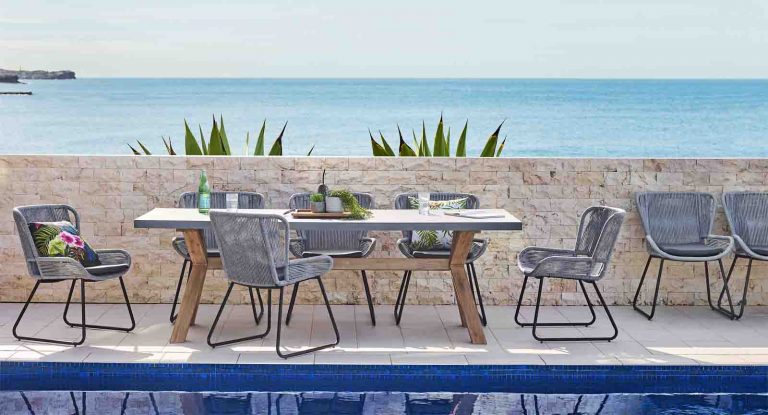
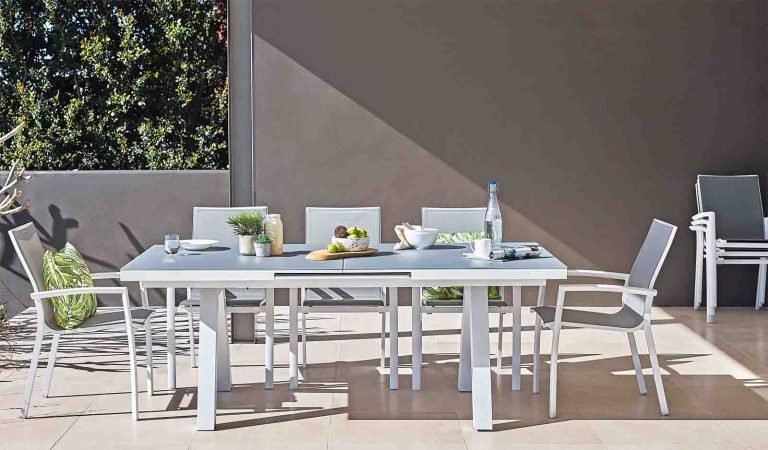
China factory Lecong Aluminum Silla Hotel Restaurant Cafe Outdoor Garden Patio Furniture Rope Dining Room Chair with high qualityProduct Description
Lecong Aluminum Silla Hotel Restaurant Cafe Outdoor Garden Patio Furniture Rope Dining Room Chair
Product Description
Product Description
Service
Company Profile
FAQ FAQ ——————————————————————————————————————————————— 2. Can I buy samples placing orders? 3.What is your lead time? -Usually we can ship within 7-15 days for small quantity,and about 30 days for large quantity. 4.What is your payment term? 5.What is the shipping method? 6.How do you make ourbusiness long-term and good relationship?
How do I keep my garden furniture from fading in the sun?Fading of garden furniture due to sun exposure is a common concern. Here are some tips to help prevent fading and prolong the lifespan of your garden furniture: 1. Choose Sun-Resistant Materials: When selecting garden furniture, opt for materials that are specifically designed to be resistant to fading caused by UV rays. Look for furniture made from materials like aluminum, teak, wrought iron, or UV-resistant synthetic materials that are less prone to fading. 2. Apply Protective Finishes: Consider applying a protective finish to your garden furniture. Finishes like sealants, varnishes, or outdoor-grade paint can provide an additional layer of protection against UV rays. Make sure to choose finishes that are suitable for outdoor use and follow the manufacturer’s instructions for application. 3. Use Furniture Covers: When your garden furniture is not in use, cover it with UV-resistant furniture covers. These covers shield the furniture from direct sunlight and help prevent fading. Ensure that the covers fit properly and are secured to withstand wind or other weather conditions. 4. Provide Shade: Position your garden furniture in shaded areas, such as under a pergola, umbrella, or tree. Providing shade can significantly reduce the amount of direct sunlight your furniture receives, decreasing the risk of fading. Alternatively, you can create shade by using outdoor curtains, sunshades, or canopies. 5. Rotate and Rearrange: To ensure even exposure to sunlight, periodically rotate and rearrange your garden furniture. This helps distribute the effects of fading more evenly across the furniture pieces. By changing the layout, you can also minimize the impact of prolonged sun exposure on specific areas. 6. Use Reflective Heat-Resistant Materials: Avoid using dark-colored cushions or fabrics for your garden furniture, as they tend to absorb more heat and sunlight, increasing the risk of fading. Instead, opt for lighter-colored cushions and fabrics that reflect sunlight and heat. Additionally, consider using heat-resistant materials that are less prone to fading. 7. Regular Cleaning and Maintenance: Regularly clean and maintain your garden furniture to remove dirt, debris, and pollutants that can contribute to fading. Follow the manufacturer’s instructions for cleaning and use appropriate cleaning products. Regular maintenance helps preserve the appearance and condition of the furniture. 8. Store Furniture During Intense Sunlight: If possible, consider storing your garden furniture in a covered area or indoors during periods of intense sunlight, such as during the hottest hours of the day or during the peak of summer. Storing the furniture away from direct sunlight can help minimize fading. By implementing these measures, you can help protect your garden furniture from fading caused by sun exposure. Remember, prevention is key, and proactive care will help maintain the appearance and longevity of your outdoor furniture.
How can I make my garden furniture more comfortable for extended use?To make your garden furniture more comfortable for extended use, you can consider the following tips and techniques: 1. Cushions and Pillows: Add cushions and pillows to your garden furniture to provide extra padding and support. Look for cushions made from outdoor-grade materials that are resistant to moisture, fading, and mildew. Opt for pillows with soft and durable fabrics that enhance comfort. Make sure to choose cushions and pillows that fit the size and style of your furniture. 2. Ergonomic Design: Consider the ergonomic design of your garden furniture to promote comfort during extended use. Look for chairs with proper back support and armrests that allow for relaxed seating positions. Tables with an appropriate height can also contribute to a more comfortable dining experience. Ergonomic design ensures that your body is properly supported and aligned, reducing discomfort and fatigue. 3. Adjustable Furniture: If possible, opt for garden furniture with adjustable features. Adjustable chairs or loungers allow you to customize the seating position according to your preference. Being able to adjust the backrest or footrest can significantly enhance comfort during extended periods of use. 4. Shade and Sun Protection: Provide shade and sun protection to make your garden furniture more comfortable, especially during hot and sunny days. Consider adding umbrellas, canopies, or pergolas to create shaded areas. This helps to reduce direct sun exposure and keeps the seating area cooler and more enjoyable. 5. Proper Ventilation: Ensure proper ventilation around your garden furniture. Good airflow helps to prevent sweat buildup and keeps you cool. If your furniture has cushions, choose materials that are breathable and allow air to circulate. Mesh or ventilated designs can help with airflow and moisture management. 6. Protective Covers: Use protective covers when your garden furniture is not in use to keep it clean and protected. Covers can help prevent dust, dirt, and bird droppings from accumulating on the furniture. Clean furniture is generally more comfortable to use for extended periods. 7. Outdoor Rugs and Mats: Add outdoor rugs or mats to create a more inviting and comfortable seating area. These can provide a softer surface for your feet and also help define the space. Look for rugs or mats that are specifically designed for outdoor use and are resistant to moisture and fading. 8. Proper Maintenance: Regularly clean and maintain your garden furniture to keep it in good condition. Follow the manufacturer’s instructions for cleaning and care. Tighten any loose screws or bolts, and replace any worn-out parts. Well-maintained furniture not only looks better but also tends to be more comfortable and enjoyable to use. By implementing these tips, you can enhance the comfort of your garden furniture and create a more inviting outdoor space for extended use. Remember to consider your personal preferences and the specific needs of your furniture when making adjustments or additions.
Can you recommend affordable garden furniture options for a tight budget?If you have a tight budget but still want to furnish your garden with affordable options, there are several choices available. Here are some recommendations for affordable garden furniture: 1. Plastic Furniture: Plastic furniture is often more budget-friendly compared to other materials. It is lightweight, easy to clean, and resistant to weather conditions. Look for plastic chairs, tables, and loungers that are designed for outdoor use. 2. Folding Furniture: Folding furniture is a practical and cost-effective option for outdoor spaces. These pieces are versatile and can be easily folded and stored when not in use. Folding chairs, tables, and benches are available at affordable prices and can provide seating and dining options for your garden. 3. Wooden Furniture: Wooden furniture can be more affordable than other materials, especially if you choose softwood options like pine or spruce. While these may require more maintenance and may not be as durable as hardwoods, they can still provide a natural and budget-friendly option for your garden. 4. DIY and Upcycled Furniture: If you’re feeling creative, consider DIY (Do-It-Yourself) or upcycled furniture projects. You can repurpose old furniture or materials to create unique and affordable pieces for your garden. Look for tutorials and inspiration online to get started. 5. Secondhand or Thrifted Furniture: Check out local thrift stores, yard sales, or online marketplaces for secondhand garden furniture. You may find pre-owned pieces in good condition at significantly lower prices. With some cleaning and minor repairs, you can have affordable and functional furniture for your garden. 6. Sales and Clearance: Keep an eye out for sales and clearance events at furniture stores or online retailers. These often offer discounted prices on outdoor furniture, allowing you to find affordable options within your budget. 7. Rent or Borrow: If you only need furniture for a short period or for occasional use, consider renting or borrowing from friends or family. This can be a cost-effective solution that allows you to enjoy outdoor furniture without making a long-term investment. Remember, while affordable options may have some trade-offs in terms of durability or style, with proper care and maintenance, they can still provide functional and enjoyable outdoor seating and dining areas on a tight budget. editor by CX 2023-10-20 China Good quality 4PCS Modern Patio Garden Hotel Home Resort Rattan Wicker Leisure Sofa Set Outdoor Furniture with Hot sellingProduct Description
Product Features &Advantages a . rattan: PE rattan with aluminum frame,water proof rattan and cushions ,the rattan passed SGS testing Greenall Company Limited is a proffessional supplier for rattan outdoor furniture with many years.Our products range included rattan sofas, rattan dining tables and chairs ,sun beds ,lounges, chairs, storage box, and hunging-chair etc. ,which are widely used in garden, outdoor , house, hotel ,park ,swimming pool ,casual center, resorts and beach .etc. We located in HangZhou ,the transportation is very convient near HangZhou port . 7.FAQ 1. Question: What is the Minimum order? Answer: Our MOQ is a container, at least 10sets per item, a 40HQ can mix within 3-5 different items, and a 20GP can mix within 1-2 different items. 2. Questions: How long is the warranty of furniture? Answer: Our warranty is 2 years for rattan and aluminum frame. 3. Question : How long is your delivery time ? 4. Question: Can I leave my cushions outside all year round? Answer: Cushions should be stored for the winter in climates exposed to snow and freezing temperatures. Cushions should be cleaned and allowed to air dry before placing into storage. Always store cushions in a dry, well ventilated area.
What are some tips for arranging outdoor furniture around a fire pit or outdoor kitchen?Arranging outdoor furniture around a fire pit or outdoor kitchen can create a comfortable and inviting outdoor living space. Here are some tips to consider when arranging your furniture: 1. Consider the Focal Point: Identify the focal point of your outdoor space, whether it’s a fire pit or an outdoor kitchen. Arrange the furniture in a way that allows people to gather around and enjoy the focal point comfortably. 2. Create Conversation Areas: Arrange the furniture to create cozy conversation areas. Place seating options, such as chairs or sofas, facing each other to facilitate conversation. Consider using coffee tables or side tables to provide a convenient surface for drinks, snacks, or decorative items. 3. Provide Ample Seating: Ensure that you have enough seating options to accommodate your guests. Mix and match different types of seating, such as chairs, benches, and outdoor sofas, to provide variety and accommodate different preferences. 4. Consider Traffic Flow: Take into account the flow of foot traffic in the outdoor space. Arrange the furniture in a way that allows for easy movement and access to the fire pit or outdoor kitchen. Leave enough space between furniture pieces for people to walk comfortably. 5. Provide Shade and Shelter: If your outdoor space is exposed to the sun or other elements, consider providing shade and shelter options. This can be done through umbrellas, pergolas, or outdoor canopies. Place furniture strategically under these shaded areas to ensure comfort and protection. 6. Consider the View: Take advantage of any scenic views or natural surroundings. Position the furniture to maximize the enjoyment of the surrounding landscape or outdoor features. 7. Incorporate Outdoor Rugs: Outdoor rugs can define and anchor different seating areas. They also add a touch of comfort and style to the outdoor space. Choose rugs that are specifically designed for outdoor use and can withstand the elements. 8. Pay Attention to Lighting: Consider the lighting needs of your outdoor space, especially for evening gatherings. Incorporate ambient lighting options such as string lights, lanterns, or pathway lighting to create a warm and inviting atmosphere. 9. Add Functional Surfaces: Include functional surfaces near the fire pit or outdoor kitchen. This can be in the form of side tables, countertops, or built-in ledges. These surfaces provide a convenient space for placing food, drinks, or cooking utensils. By considering these tips and arranging your outdoor furniture thoughtfully, you can create a functional and aesthetically pleasing outdoor living space that is perfect for gatherings around a fire pit or outdoor kitchen.
How do I choose the right size outdoor furniture for my space?Choosing the right size outdoor furniture is crucial to ensure a comfortable and functional outdoor living space. Here are some steps to help you select the appropriate size: 1. Assess Your Space: Measure the available space in your outdoor area to determine the dimensions you have to work with. Consider the overall layout, including any architectural features, existing structures, and natural elements like trees or slopes that may impact the placement and size of your furniture. 2. Determine the Purpose: Decide how you plan to use your outdoor space. Will it be primarily for dining, lounging, or a combination of both? This will help determine the type and size of furniture you need. 3. Consider Traffic Flow: Allow adequate space for people to move around and navigate comfortably. Consider pathways, entrances, and exits to ensure there is enough room for easy movement without feeling cramped. 4. Choose Appropriate Furniture Types: Based on your space and intended use, select the types of outdoor furniture that best fit your needs. Common options include dining sets, lounge chairs, sofas, benches, and sectional seating arrangements. 5. Take Seat and Table Heights into Account: Ensure that the seat height of chairs or sofas aligns with the table height for dining sets. This will ensure a comfortable and ergonomic seating arrangement. 6. Allow for Clearance: Provide ample space around the furniture for easy movement and to avoid feeling cramped. Allow around 18-24 inches of clearance behind chairs for easy access and movement. 7. Consider Scale and Proportion: Choose furniture that is proportionate to the size of your outdoor space. Oversized furniture can make a small space feel crowded, while undersized furniture may look out of place in a large area. 8. Test and Visualize: If possible, arrange a mock layout using cardboard or tape to visualize how the furniture will fit in your space. This can help you assess the scale, proportion, and flow before making a final decision. 9. Read Product Specifications: Pay attention to the dimensions provided by furniture manufacturers. Check the measurements of each piece to ensure it will fit comfortably in your space. By carefully considering the size, layout, and purpose of your outdoor area, you can choose furniture that fits well and maximizes the functionality and aesthetics of your space.
What are the different types of outdoor furniture, such as dining sets and loungers?Outdoor furniture comes in various types and styles to suit different needs and preferences. Here are some common types of outdoor furniture: 1. Dining Sets: Outdoor dining sets typically consist of a table and chairs designed for outdoor dining. They come in various sizes and materials such as wood, metal, or wicker. Dining sets are ideal for enjoying meals with family and friends in your outdoor space. 2. Loungers and Chaise Lounge: Loungers and chaise lounges are designed for relaxation and sunbathing. They often feature adjustable backrests and can be made from materials like wood, aluminum, or wicker. These pieces are perfect for sunbathing, reading, or taking a nap outdoors. 3. Outdoor Sofas and Sectionals: Outdoor sofas and sectionals provide comfortable seating for lounging and socializing in your outdoor space. They are available in various sizes and configurations, allowing you to customize your seating arrangement. Outdoor sofas and sectionals can be made from materials such as wicker, aluminum, or teak. 4. Outdoor Chairs and Benches: Outdoor chairs and benches are versatile seating options for your outdoor space. They come in different styles, including Adirondack chairs, rocking chairs, and benches. These pieces can be made from materials like wood, metal, or plastic. 5. Outdoor Tables: Outdoor tables are available in different shapes and sizes, including coffee tables, side tables, and accent tables. They can be made from materials such as wood, metal, or glass. Outdoor tables provide surfaces for placing drinks, snacks, or decor items. 6. Outdoor Umbrellas and Shade Structures: Outdoor umbrellas and shade structures offer protection from the sun and provide shade for your outdoor space. They come in various sizes and styles, including market umbrellas, cantilever umbrellas, and pergolas. These structures are often made from materials like aluminum, wood, or fabric. 7. Outdoor Storage: Outdoor storage solutions, such as storage benches or cabinets, are designed to store cushions, pillows, gardening tools, and other outdoor accessories. They provide a convenient storage option while keeping your outdoor space organized. 8. Swings and Hammocks: Swings and hammocks offer a relaxing and playful element to your outdoor space. They come in different designs, including porch swings, hanging hammock chairs, and freestanding hammocks. These pieces are perfect for unwinding and enjoying gentle rocking motions. These are just a few examples of the different types of outdoor furniture available. When selecting outdoor furniture, consider your space, intended use, and personal preferences to choose the pieces that best suit your needs and style. editor by CX 2023-10-20 China Hot selling Hot Sale Modern Outdoor Garden Sectional Aluminum Livingroom Furniture vacuum pump boosterProduct Description
Hot Sale Modern Outdoor Garden Sectional Aluminum Livingroom Furniture Why choose us? 1. Rich OEM & ODM Experience
What are the latest trends in aluminum garden furniture designs and styles?The world of aluminum garden furniture is constantly evolving, and there are several exciting trends in designs and styles. Here are some of the latest trends: 1. Minimalist and Contemporary: Minimalist designs with clean lines and sleek profiles are gaining popularity. Contemporary aluminum furniture often features minimalist aesthetics, emphasizing simplicity and functionality. These designs create a modern and uncluttered look in outdoor spaces. 2. Mixed Materials: Combining aluminum with other materials, such as wood, rope, or fabric, is a popular trend. This fusion of materials adds visual interest and texture to the furniture. For example, aluminum frames paired with wooden accents can create a warm and natural feel. 3. Outdoor Lounge Sets: Lounge sets are in high demand, offering comfortable seating arrangements for relaxation and socializing outdoors. These sets often include sofas, club chairs, ottomans, and coffee tables. Aluminum lounge sets with plush cushions provide a luxurious and inviting outdoor seating experience. 4. Modular and Sectional Designs: Modular and sectional furniture allows for versatility and customization. Aluminum garden furniture with modular designs enables users to rearrange seating configurations based on their needs and preferences. This flexibility is especially appealing for those who like to change their outdoor layout frequently. 5. Curved and Organic Shapes: Furniture with curved or organic shapes adds a touch of elegance and softness to outdoor spaces. Aluminum garden furniture featuring rounded edges, curved backs, or flowing contours creates a more inviting and comfortable atmosphere. 6. Bold Colors: While classic neutral tones remain popular, bold colors are making a statement in aluminum furniture designs. Vibrant shades like deep blues, rich greens, and warm oranges are being used to add personality and create focal points in outdoor settings. 7. Sustainable and Eco-Friendly Designs: In line with the growing emphasis on sustainability, there is an increasing demand for eco-friendly aluminum furniture designs. Manufacturers are incorporating sustainable materials, such as recycled aluminum and responsibly sourced wood, and adopting environmentally conscious production practices. 8. Outdoor Dining Sets: Outdoor dining sets continue to be a staple in aluminum furniture designs. These sets typically include a dining table and matching chairs, providing comfortable and stylish seating for outdoor meals and gatherings. Designs range from traditional to modern, catering to various aesthetic preferences. These are just a few of the latest trends in aluminum garden furniture designs and styles. Whether you prefer minimalist, mixed materials, lounge sets, modular designs, curved shapes, bold colors, sustainable options, or outdoor dining sets, there is a wide range of options available to suit your personal taste and create a stylish outdoor living space.
What are the top considerations for selecting aluminum garden furniture for poolside areas?When selecting aluminum garden furniture for poolside areas, there are several key considerations to keep in mind. These considerations will help ensure that the furniture is suitable for the poolside environment and meets your specific needs. Here are some of the top considerations: 1. Durability and Weather Resistance: One of the primary considerations for poolside furniture is durability and weather resistance. The furniture should be able to withstand exposure to sunlight, chlorine, saltwater, and other pool chemicals without deteriorating or corroding. Look for aluminum furniture that is specifically designed for outdoor use and has been treated with protective coatings or finishes to enhance its resistance to the elements. 2. Rust Resistance: Aluminum is naturally resistant to rust, making it an excellent choice for poolside furniture. However, it’s important to ensure that the furniture has proper rust-resistant features, such as stainless steel hardware or coated fasteners, to further enhance its durability in a poolside environment. Rust-resistant furniture will maintain its appearance and structural integrity over time. 3. Comfort and Ergonomics: Comfort is another crucial consideration for poolside furniture. Look for aluminum furniture that includes comfortable cushions or seating surfaces. Consider the ergonomics of the furniture, such as backrest angles, seat depths, and armrest heights, to ensure optimal comfort for lounging by the pool. Test the furniture if possible or read customer reviews to gauge its comfort level. 4. Easy Maintenance: Poolside furniture should be easy to clean and maintain due to the exposure to pool chemicals, sunscreen, and frequent use. Look for furniture with low-maintenance features, such as removable and washable cushion covers, as well as furniture frames that can be easily wiped down with mild soap and water. Avoid furniture with intricate designs or hard-to-reach crevices that can trap dirt and require extensive cleaning. 5. Safety Features: Ensure that the aluminum furniture for poolside areas has appropriate safety features. Look for furniture that is stable and has non-slip feet or base to prevent accidental slips or tipping. Consider furniture with rounded edges or cushioned surfaces to minimize the risk of injuries. Additionally, check if the furniture meets relevant safety standards for outdoor use. 6. Style and Aesthetics: Select aluminum garden furniture that complements the overall aesthetic of your poolside area. Consider the design, color, and finish of the furniture to ensure it matches your desired style. Aluminum furniture comes in a variety of styles, from modern and sleek to traditional and ornate, allowing you to find options that blend seamlessly with your poolside decor. 7. Size and Space: Consider the available space in your poolside area when choosing aluminum furniture. Measure the area to ensure the furniture fits comfortably without overcrowding the space. Opt for furniture that is proportionate to the area and allows for easy movement and flow around the pool. Additionally, consider the number of people you expect to accommodate and choose furniture that provides adequate seating or lounging options. By considering these factors, you can select aluminum garden furniture that is well-suited for poolside areas, combining durability, comfort, and style. Remember to also follow any additional guidelines or recommendations provided by the furniture manufacturer to ensure optimal performance and longevity of your poolside furniture.
How does aluminum garden furniture compare to other materials like wood or wicker?When comparing aluminum garden furniture to other materials like wood or wicker, there are several factors to consider. Each material has its own unique characteristics and advantages. Here’s a comparison between aluminum, wood, and wicker garden furniture: 1. Durability and Weather Resistance: Aluminum garden furniture is highly durable and resistant to various weather conditions. It is rust-resistant, lightweight, and does not require extensive maintenance. On the other hand, wood furniture requires regular maintenance, such as sealing or staining, to protect it from moisture, UV rays, and pests. Wicker furniture, typically made from natural or synthetic fibers, is prone to fading, mold, and mildew if not properly cared for. 2. Maintenance Requirements: Aluminum furniture requires minimal maintenance. It can be easily cleaned with mild soap and water. Wood furniture, especially if left untreated, may require regular cleaning, sanding, and refinishing to maintain its appearance and durability. Wicker furniture may need occasional cleaning and spot treatment to prevent mold or mildew growth. 3. Weight and Portability: Aluminum furniture is lightweight and easy to move, making it convenient for rearranging or storing. Wood furniture is heavier and may require more effort to move. Wicker furniture is generally lighter than wood but heavier than aluminum, offering a balance between portability and stability. 4. Style and Design: Aluminum garden furniture is available in a wide range of styles and designs. It can be shaped and formed into various modern or traditional designs to suit different outdoor aesthetics. Wood furniture offers a classic and natural look, with options for different wood species and finishes. Wicker furniture has a distinct woven texture and is often associated with a more casual or tropical style. 5. Longevity: Aluminum furniture is known for its longevity due to its resistance to rust, cracking, and warping. With proper care, it can last for many years. Wood furniture can also have a long lifespan if properly maintained, but it may require more regular upkeep. Wicker furniture, especially natural wicker, may have a shorter lifespan compared to aluminum or wood due to its susceptibility to damage from weather and moisture. 6. Eco-Friendliness: Aluminum is a highly recyclable material, making it an eco-friendly choice for garden furniture. Wood furniture can be sustainable if sourced from responsibly managed forests. Wicker furniture made from natural fibers is biodegradable and renewable, while synthetic wicker may not be as environmentally friendly. Ultimately, the choice between aluminum, wood, or wicker garden furniture depends on your specific preferences, budget, and the desired look for your outdoor space. Consider factors such as durability, maintenance requirements, style, and environmental impact when making your decision. editor by CX 2023-10-20 China best Leisure Metal Frame Rope Weaving Bistro Bar Chair Outdoor Furniture manufacturerProduct Description
leisure metal frame rope weaving bistro bar chair outdoor furnitureWe created a unique invention for bar chair to have fully folding capabilities including the stand for easy disassemble and assemble for those long cold winters when your outdoor items will not hold up on in the outdoors High-quality durable Aluminum frame, UV-Resistant, & rust resistance great for outdoor use Hand-woven and handcrafted Wicker material by outstanding craftsmen Cushion made from outdoor fabric and filled with soft Cotton, breathable design Product Description
Wicker Sample Fabric SampleFlat wicker, half round wicker, round wicker Different color options for the cushion and pillow fabric.
Material: Rattan / Wicker 1. 100% all brand new PE rattan / wicker,
2. style: flat wicker / half round wicker / round wicker / rope
3. 99% looks like real wicker, price cheaper then real wicker, and PE wicker is more durable!
4. UV-resistant, waterproof and color lasting, for all season use.
Diffferent Weaving Pattern: There are different weaving method, such as cow eyes weaving, square weaving, 4 in 1 weaving, etc
100% all weaving by hand!
Therefore, many of our weaving master were in our factory for over 10 years, they grew with us together and are of experienced!
So you don’t need to worry about our weaving, we are confident with it!
Our Service Select items: welcome to our store and select the items you interested. Or let us know what you had, we can custom make it. email us your request, we will offer you in 24 hours. Prices, payment way, delivery time, shipping, etc… we will CHINAMFG a contract. buyer arrange down payment.we will arrange production at soonest. we will inform you before 1 week time of production complete. we will take photos and send to you for reference 2 days before shipping. please arrange the balance payment once confirmed.we’ll arrange shipment as planed. we will send you CHINAMFG B/L and custom documents (packing list, commercial invoice, AQIS etc) by express. Or Telex Released B/L. We thank you for your great support, and look CHINAMFG to building long-term cooperation with you.
Packing Projects Factory Profile
With good quality control system and reasonable management,now we are a factory with a 10000 square meter workshop, and 800 square
For our product, we offer middle&high modern and classic outdoor furniture. Two years warranty could give our clients more confidence,quick delivery time,competitive price and good quality give our client more convenient. Customers are our friends and business partners. We arm at helping our customer to win more market ,Our Warmly welcome you to come and visit our factory!
Exhibtion 1. What is your MOQ? 2. Do you aceept sample order? 3. Can I customize outdoor furniture from you? 4. Do you have own factory? 5. How about your Lead time? 6. What about the payment term?
What are the latest trends in aluminum garden furniture designs and styles?The world of aluminum garden furniture is constantly evolving, and there are several exciting trends in designs and styles. Here are some of the latest trends: 1. Minimalist and Contemporary: Minimalist designs with clean lines and sleek profiles are gaining popularity. Contemporary aluminum furniture often features minimalist aesthetics, emphasizing simplicity and functionality. These designs create a modern and uncluttered look in outdoor spaces. 2. Mixed Materials: Combining aluminum with other materials, such as wood, rope, or fabric, is a popular trend. This fusion of materials adds visual interest and texture to the furniture. For example, aluminum frames paired with wooden accents can create a warm and natural feel. 3. Outdoor Lounge Sets: Lounge sets are in high demand, offering comfortable seating arrangements for relaxation and socializing outdoors. These sets often include sofas, club chairs, ottomans, and coffee tables. Aluminum lounge sets with plush cushions provide a luxurious and inviting outdoor seating experience. 4. Modular and Sectional Designs: Modular and sectional furniture allows for versatility and customization. Aluminum garden furniture with modular designs enables users to rearrange seating configurations based on their needs and preferences. This flexibility is especially appealing for those who like to change their outdoor layout frequently. 5. Curved and Organic Shapes: Furniture with curved or organic shapes adds a touch of elegance and softness to outdoor spaces. Aluminum garden furniture featuring rounded edges, curved backs, or flowing contours creates a more inviting and comfortable atmosphere. 6. Bold Colors: While classic neutral tones remain popular, bold colors are making a statement in aluminum furniture designs. Vibrant shades like deep blues, rich greens, and warm oranges are being used to add personality and create focal points in outdoor settings. 7. Sustainable and Eco-Friendly Designs: In line with the growing emphasis on sustainability, there is an increasing demand for eco-friendly aluminum furniture designs. Manufacturers are incorporating sustainable materials, such as recycled aluminum and responsibly sourced wood, and adopting environmentally conscious production practices. 8. Outdoor Dining Sets: Outdoor dining sets continue to be a staple in aluminum furniture designs. These sets typically include a dining table and matching chairs, providing comfortable and stylish seating for outdoor meals and gatherings. Designs range from traditional to modern, catering to various aesthetic preferences. These are just a few of the latest trends in aluminum garden furniture designs and styles. Whether you prefer minimalist, mixed materials, lounge sets, modular designs, curved shapes, bold colors, sustainable options, or outdoor dining sets, there is a wide range of options available to suit your personal taste and create a stylish outdoor living space.
What are the top considerations for selecting aluminum garden furniture for poolside areas?When selecting aluminum garden furniture for poolside areas, there are several key considerations to keep in mind. These considerations will help ensure that the furniture is suitable for the poolside environment and meets your specific needs. Here are some of the top considerations: 1. Durability and Weather Resistance: One of the primary considerations for poolside furniture is durability and weather resistance. The furniture should be able to withstand exposure to sunlight, chlorine, saltwater, and other pool chemicals without deteriorating or corroding. Look for aluminum furniture that is specifically designed for outdoor use and has been treated with protective coatings or finishes to enhance its resistance to the elements. 2. Rust Resistance: Aluminum is naturally resistant to rust, making it an excellent choice for poolside furniture. However, it’s important to ensure that the furniture has proper rust-resistant features, such as stainless steel hardware or coated fasteners, to further enhance its durability in a poolside environment. Rust-resistant furniture will maintain its appearance and structural integrity over time. 3. Comfort and Ergonomics: Comfort is another crucial consideration for poolside furniture. Look for aluminum furniture that includes comfortable cushions or seating surfaces. Consider the ergonomics of the furniture, such as backrest angles, seat depths, and armrest heights, to ensure optimal comfort for lounging by the pool. Test the furniture if possible or read customer reviews to gauge its comfort level. 4. Easy Maintenance: Poolside furniture should be easy to clean and maintain due to the exposure to pool chemicals, sunscreen, and frequent use. Look for furniture with low-maintenance features, such as removable and washable cushion covers, as well as furniture frames that can be easily wiped down with mild soap and water. Avoid furniture with intricate designs or hard-to-reach crevices that can trap dirt and require extensive cleaning. 5. Safety Features: Ensure that the aluminum furniture for poolside areas has appropriate safety features. Look for furniture that is stable and has non-slip feet or base to prevent accidental slips or tipping. Consider furniture with rounded edges or cushioned surfaces to minimize the risk of injuries. Additionally, check if the furniture meets relevant safety standards for outdoor use. 6. Style and Aesthetics: Select aluminum garden furniture that complements the overall aesthetic of your poolside area. Consider the design, color, and finish of the furniture to ensure it matches your desired style. Aluminum furniture comes in a variety of styles, from modern and sleek to traditional and ornate, allowing you to find options that blend seamlessly with your poolside decor. 7. Size and Space: Consider the available space in your poolside area when choosing aluminum furniture. Measure the area to ensure the furniture fits comfortably without overcrowding the space. Opt for furniture that is proportionate to the area and allows for easy movement and flow around the pool. Additionally, consider the number of people you expect to accommodate and choose furniture that provides adequate seating or lounging options. By considering these factors, you can select aluminum garden furniture that is well-suited for poolside areas, combining durability, comfort, and style. Remember to also follow any additional guidelines or recommendations provided by the furniture manufacturer to ensure optimal performance and longevity of your poolside furniture.
How can I maintain and care for my aluminum garden furniture to keep it looking new?To keep your aluminum garden furniture looking new and well-maintained, here are some tips for maintenance and care: 1. Regular Cleaning: Regular cleaning is essential to prevent dirt, debris, and stains from accumulating on your aluminum furniture. Use mild soap or a gentle household cleaner mixed with water to clean the surfaces. Avoid abrasive cleaners or tools that can scratch the aluminum. After cleaning, rinse thoroughly with water and dry the furniture completely. 2. Protective Covers: Consider using protective covers when your aluminum furniture is not in use, especially during long periods of storage or inclement weather. Covers can help shield the furniture from dust, dirt, and UV rays, prolonging its lifespan and maintaining its appearance. 3. Avoid Harsh Elements: While aluminum is durable and weather-resistant, it’s still a good practice to avoid exposing your furniture to extreme weather conditions whenever possible. Direct exposure to prolonged sunlight, heavy rain, or snow can gradually affect the appearance and finish of the furniture. If you live in an area with harsh weather, consider moving your furniture to a protected area or using umbrellas or shade sails to provide additional protection. 4. Rust Prevention: Although aluminum is naturally resistant to rust, certain factors can still cause corrosion. To further protect your furniture, apply a thin layer of automotive wax or a specialized metal protector to the surfaces. This protective layer can help guard against oxidation and maintain the shine of the aluminum. 5. Cushion Care: If your aluminum furniture has cushions, follow the manufacturer’s instructions for cleaning and maintenance. Remove the cushions when not in use or during storage to prevent moisture accumulation. Spot clean any spills or stains promptly to avoid permanent damage. 6. Inspect and Repair: Regularly inspect your aluminum furniture for any signs of damage or loose parts. Tighten screws or bolts if necessary and address any minor issues promptly to prevent further damage. 7. Seasonal Storage: If you live in an area with harsh winters or extended periods of non-use, consider storing your aluminum furniture indoors or in a dry and well-ventilated storage area. Clean and dry the furniture thoroughly before storage, and consider using furniture covers or protective wraps to prevent scratches or dings. By following these maintenance and care tips, you can keep your aluminum garden furniture looking new and extend its lifespan. Regular cleaning, protective covers, avoiding harsh elements, rust prevention, cushion care, inspecting and repairing, and proper seasonal storage will help you maintain the appearance and functionality of your aluminum furniture for years to come. editor by CX 2023-10-20 China Best Sales OEM Customized Modern Outdoor Furniture Remote Control Patio Canopy Louvre Awning Aluminum Carport Waterproof Garden Gazebo Motorized Pergola for Sunshade vacuum pump oil near meProduct Description
OEM Customized Modern Outdoor Furniture Remote Control Patio Canopy Louvre Awning Aluminum Carport Waterproof Garden Gazebo Motorized Pergola for Sunshade
With the standardization of manufacturing techniques, the Tiansheng aluminum pergola has a unique design and beautiful appearance, together with practical application.
Frame Material: Aluminum Materials: Extruded Aluminum alloy (6063-T5) Feature: Easily Assembled, Eco Friendly, Renewable Sources, Rodent Proof, Rot Proof, Waterproof Blade: Waterproof and sunshade blades Size: Width x Length x Height, louver blade max 6 meters, another frame length, and height sizes can customize. Surface Finish: Powder coated or PVDF coated. Color: Standard color RAL7012, 7016, 1013, 9016, also other colors are available, Refer to RAL colors swatch or customized. Design: Drawings designed according to the customers’ requirements Type: motorized adjustable Rainfall intensity: 0.04 to 0.05 L/s/m2 Snow load: Up to 120 kg/m2 Wind resistance: Up to 120 km/h for closed blades Delivery time: Usual 15-20 workdays for a 40GP container Supply Ability: 1500 Square Meters/per Month Package details: Bubble wrap + Wood-box + Metal frame Keyword: rainproof aluminum pergola
Detailed Description:
Products details
Production process
FAQ Q1: How to guarantee the quality of the products? A1: We have our own QC team to control the product quality for all our clients’ orders before loading.
Q2: How long does it take to install a louvers roof/pergola? A2: It depends on the skills, place, and tools, usual 2-3 workers will finish the installation 30m2 in 1 day.
Q3: Is the louver roof/pergola waterproof? A3: Yes, the normal weather conditions will not let in rain.
Q4: How does the rain sensor work? A4: The control system normally programmed to close the louvers when rain is detected.
Q5: Are louvers pergola/roof energy efficient? A5: The adjustable louvers blade helps to reduce heating and controlling the amount of direct sunlight.
Q6: Can the louvers roof/pergola use next to the sea? A6: All accessories in aluminium alloy and 304# stainless steel to avoid any rust and corrosion.
Q7. WHAT’S THE RAINFALL INTENSITY, SNOW LOAD, AND WIND RESISTANCE? A7: Rainfall intensity: 0.04 to 0.05 l/s/m2, Snow load: Up to 120 kg/m2, Wind resistance: Up to 120 km/h for closed blades
Q8. WHAT IS YOUR PRODUCT WARRANTY? A8: 15-year warranty for pergola structure, 2-year warranty for the electric system.
Q9. WILL YOU PROVIDE THE INSTALLATION INSTRUCTION? A9: Yes, we will provide you the detailed installation instruction or video.
.shipping-cost-tm .tm-status-off{background: none;padding:0;color: #1470cc}
What are the best practices for assembling and maintaining garden furniture with glass tops?Garden furniture with glass tops can add a touch of elegance to your outdoor space. Here are some best practices for assembling and maintaining this type of furniture: 1. Assembling Garden Furniture: When assembling garden furniture with glass tops, follow these guidelines:
2. Cleaning and Maintenance: To maintain garden furniture with glass tops, consider the following:
3. Preventative Measures: Take these preventative measures to ensure the longevity of your garden furniture with glass tops:
By following these best practices, you can assemble and maintain your garden furniture with glass tops effectively, ensuring its longevity and enjoyment for years to come.
Are there any child-friendly garden furniture options for families with young children?Yes, there are several child-friendly garden furniture options available that are suitable for families with young children. Here are some options to consider: 1. Plastic Furniture: Plastic furniture is a popular choice for families with young children due to its durability, easy maintenance, and safety features. Look for furniture made from high-quality, non-toxic plastic materials that are free from sharp edges or corners. Plastic furniture is lightweight, making it easy for children to move around, and it can be easily cleaned with soap and water. 2. Rounded Edges and Soft Cushions: When selecting garden furniture, choose options with rounded edges and corners to minimize the risk of injuries. Look for furniture with soft cushions or padding that provide additional comfort and safety for children. Cushions should be made from durable, water-resistant materials that are easy to clean. 3. Picnic Tables or Benches: Picnic tables or benches designed specifically for children can be a great addition to a family-friendly garden. These tables are usually smaller in size and feature child-sized seating, making them comfortable and accessible for young children. Look for picnic tables or benches made from sturdy materials such as wood or plastic. 4. Outdoor Playsets with Built-in Seating: Consider incorporating outdoor playsets that include built-in seating areas. These playsets often have child-friendly designs, such as miniature picnic tables or benches, integrated into the play structure. This allows children to have their own space to sit and play while enjoying the outdoors. 5. Adjustable Furniture: Opt for garden furniture with adjustable features that can grow with your children. Adjustable tables and chairs can be modified to accommodate different heights and ages, ensuring long-term usability and comfort for your family. 6. Safety Considerations: When selecting child-friendly garden furniture, prioritize safety features. Ensure that the furniture is stable, sturdy, and designed with child safety in mind. Check for additional safety features such as non-slip feet or straps to prevent tipping or sliding. Avoid furniture with small parts or components that could pose a choking hazard. 7. Weather Resistance: Choose garden furniture that is weather-resistant and can withstand outdoor conditions. Look for furniture made from materials such as treated wood, durable plastic, or weather-resistant metal. Consider using furniture covers to protect the furniture when not in use and prolong its lifespan. 8. Bright Colors and Fun Designs: Children are often attracted to bright colors and fun designs. Look for garden furniture options that feature vibrant colors or playful patterns to create an engaging and visually appealing outdoor space for your children. By considering these child-friendly options, you can create a safe and enjoyable outdoor environment for your family with young children. Remember to supervise children while they are using the furniture and teach them proper safety practices to ensure their well-being.
Can you recommend affordable garden furniture options for a tight budget?If you have a tight budget but still want to furnish your garden with affordable options, there are several choices available. Here are some recommendations for affordable garden furniture: 1. Plastic Furniture: Plastic furniture is often more budget-friendly compared to other materials. It is lightweight, easy to clean, and resistant to weather conditions. Look for plastic chairs, tables, and loungers that are designed for outdoor use. 2. Folding Furniture: Folding furniture is a practical and cost-effective option for outdoor spaces. These pieces are versatile and can be easily folded and stored when not in use. Folding chairs, tables, and benches are available at affordable prices and can provide seating and dining options for your garden. 3. Wooden Furniture: Wooden furniture can be more affordable than other materials, especially if you choose softwood options like pine or spruce. While these may require more maintenance and may not be as durable as hardwoods, they can still provide a natural and budget-friendly option for your garden. 4. DIY and Upcycled Furniture: If you’re feeling creative, consider DIY (Do-It-Yourself) or upcycled furniture projects. You can repurpose old furniture or materials to create unique and affordable pieces for your garden. Look for tutorials and inspiration online to get started. 5. Secondhand or Thrifted Furniture: Check out local thrift stores, yard sales, or online marketplaces for secondhand garden furniture. You may find pre-owned pieces in good condition at significantly lower prices. With some cleaning and minor repairs, you can have affordable and functional furniture for your garden. 6. Sales and Clearance: Keep an eye out for sales and clearance events at furniture stores or online retailers. These often offer discounted prices on outdoor furniture, allowing you to find affordable options within your budget. 7. Rent or Borrow: If you only need furniture for a short period or for occasional use, consider renting or borrowing from friends or family. This can be a cost-effective solution that allows you to enjoy outdoor furniture without making a long-term investment. Remember, while affordable options may have some trade-offs in terms of durability or style, with proper care and maintenance, they can still provide functional and enjoyable outdoor seating and dining areas on a tight budget. editor by CX 2023-10-20 | |||||||||||||||||||||||||||||||||||||||||||||||||||||||||||||||||||||||||||||||||||||||||||||||||||||||||||||||||||||||||||||||||||||||||||||||||||||||||||||||||||||||||||||||||||||||||||||||||||||||||||||||||||||||||||||||||||||||||||||||||||||||||||||||||||||||||||||||||||||||||||||||||||||||||||||||||
.webp)
.webp)
.webp)