Product Description
Product Description
PRODUCT INFORMATION
| Model number | CF3107-L+CF3107-M+CF3107-CT+CF3107-OT | |
| Frame material | Powder coated aluminum | |
| Woven material | Rattan | |
| Cushion | Waterproof fabric and foam | |
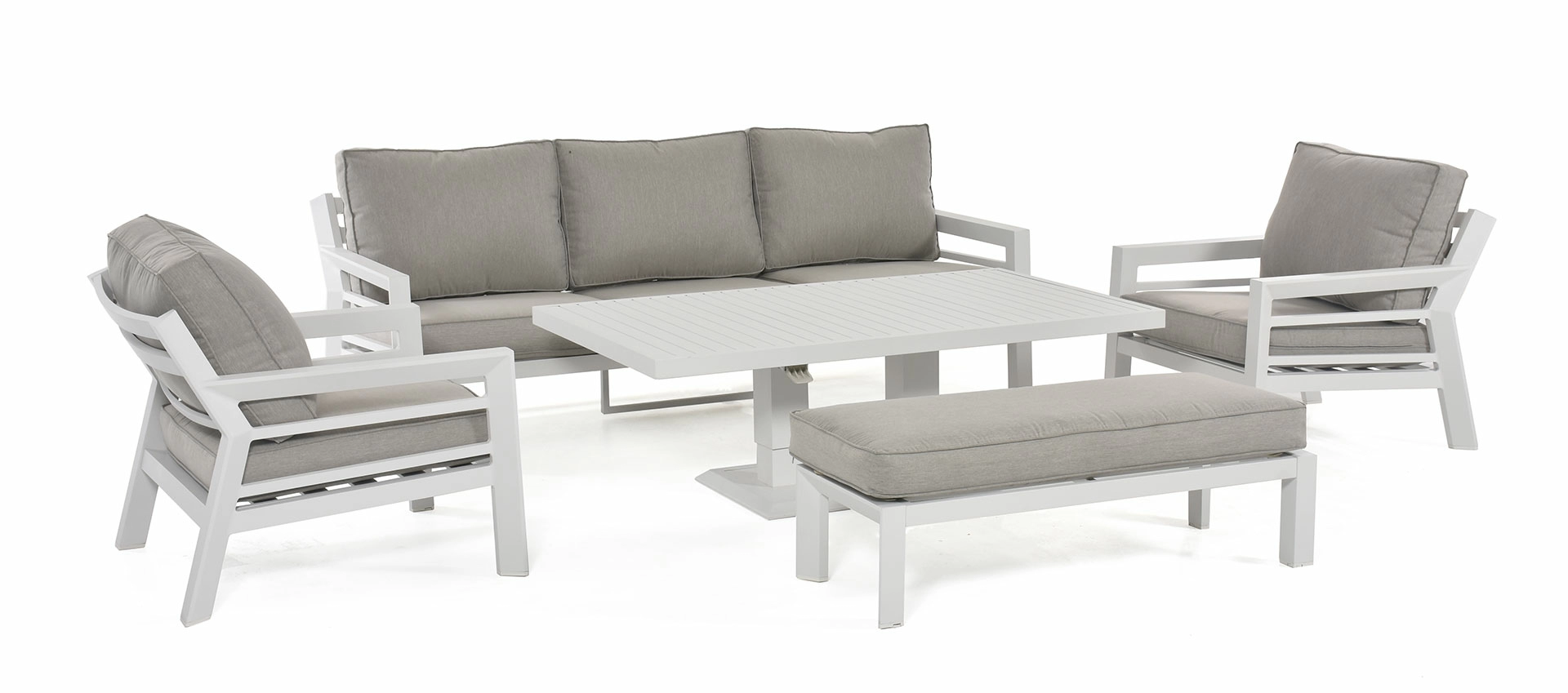
| Size | Right and left arm sofa: 135*75*78cm | |
| Corner sofa: 81*148*78cm | ||
| Coffee table: 90*90*46cm | ||
| Ottoman: 38*38*38cm | ||
| Color | Optional | |
| Warranty | 2~5 years | |
| Application | Outdoor, Hotel, Garden, Patio | |
Packaging & Transportation
Certificate
Project Case
Exhibition
Company Profile
HangZhou Xihu (West Lake) Dis. Ciao Furniture Co., LTD is located in Xihu (West Lake) Dis. District, HangZhou City. We specialize in manufacturing outdoor furniture, such as outdoor sofas, outdoor table and chairs, outdoor chaise loungers, outdoor daybed, swing chair, outdoor umbrella, outdoor flower pots, cushion box, and many kinds of customized products for 16 years.
With good quality control system and reasonable management,now we are a factory with a 10000 square meter workshop, and 800 square meter sample showroom, and 100 experienced workers.Our month supply ability reach 30 containers,year sales amount more than 10 million US dollar.300 more regular customers are all over the world.
For our product, we offer middle & high modern and classic outdoor furniture. Two years warranty could give our clients more confidence,quick delivery time,competitive price and good quality give our client more convenient.
Customers are our friends and business partners. We aim at helping our customer to win more market. Our mission is”customer win, we win”.We are pleased to grow up with you together.
|
Factory Size |
10,000 sqm |
Factory Location |
Xihu (West Lake) Dis., HangZhou City |
|
R&D staff |
21 – 30 people |
QC staff |
6 – 10 people |
|
Contract Manufacturing |
OEM service offered design service offered buyer label offered |
Main Market |
North America,South America,Eastern |
|
Export Percentage |
85% – 95% |
Total Annual Sales Volume |
USD 3 Million to USD 5 Million |
Our Service
FAQ
1. What is your MOQ?
MOQ is 1*20 GP container
1*20GP container with no more than 3 items
1*40HQ container with no more than 5 items.
2. Do you aceept sample order?
We accept sample order.However customer has to pay for the product cost and shipping cost.
3. Can I customize outdoor furniture from you?
Yes, can change the Dimension according to your needs.
4. Do you have own factory?
Yes, we are manufacturer with own factory and moulds and production lines, engaged in outdoor furniture for more than 11 years.
5. How about your Lead time?
Our production process needs 15-35 days depend on the product’s design and when will you place the order.
6. What about the payment term?
a.More than USD1700, 30%deposit T/T paid before production,the balance paid paid before delivery
b.Less than USD1700,100% deposit paid before production.
| Material: | PE Rattan |
|---|---|
| Frame Material: | Metal |
| Style: | Modern |
| Type: | Combination |
| Usage: | Outdoor |
| Folded: | Unfolded |
| Customization: |
Available
|
|
|---|

How do I clean mold and mildew from outdoor furniture cushions?
Mold and mildew can develop on outdoor furniture cushions due to exposure to moisture and lack of proper ventilation. Here’s a step-by-step guide to cleaning mold and mildew from your outdoor furniture cushions:
1. Safety Precautions:
Before starting the cleaning process, make sure to wear protective gloves and a mask to avoid direct contact with mold spores.
2. Brushing:
Begin by using a soft-bristle brush or a toothbrush to gently scrub the affected areas of the cushions. This will help loosen the mold or mildew and remove any surface debris.
3. Vacuuming:
Use a vacuum cleaner with a brush attachment to thoroughly vacuum the cushions. This will help remove any loose mold spores or debris.
4. Cleaning Solution:
Prepare a cleaning solution by mixing one part mild dish soap or laundry detergent with four parts warm water. Avoid using bleach or harsh chemicals, as they can damage the fabric.
5. Spot Testing:
Before applying the cleaning solution to the entire cushion, perform a spot test on a small, inconspicuous area to ensure that it does not cause any discoloration or damage.
6. Cleaning:
Dip a sponge or soft cloth into the cleaning solution and gently scrub the affected areas of the cushions. Work in small sections and avoid oversaturating the fabric.
7. Rinsing:
After cleaning, rinse the cushions thoroughly with clean water to remove any soap residue. This can be done using a garden hose or by wiping the cushions with a damp cloth.
8. Drying:
Allow the cushions to air dry completely in a well-ventilated area. Avoid placing them in direct sunlight, as this can cause fading or damage to the fabric.
9. Prevention:
To prevent future mold and mildew growth, ensure proper ventilation for your outdoor furniture. Avoid leaving cushions exposed to prolonged moisture or rain. If possible, store the cushions in a dry place during periods of non-use.
If the mold or mildew stains persist after cleaning, you may need to repeat the process or consider using a specialized mold and mildew cleaner. Follow the instructions provided by the manufacturer for best results.
Regular maintenance and cleaning of outdoor furniture cushions can help prevent mold and mildew growth. It’s recommended to clean the cushions at least once a season or more frequently if needed.

Are there any space-saving outdoor furniture options for small patios or balconies?
Yes, there are several space-saving outdoor furniture options available specifically designed for small patios or balconies. These furniture pieces are designed to maximize functionality while taking up minimal space. Here are some popular options:
1. Folding Furniture:
Folding furniture is a versatile choice for small outdoor spaces. Folding chairs, tables, and benches can be easily folded and stored when not in use, allowing you to create more space when needed.
2. Stackable Furniture:
Stackable chairs or stools are practical for compact spaces. These chairs can be stacked and stored vertically, minimizing the footprint. Look for lightweight and durable materials such as aluminum or plastic.
3. Wall-Mounted Furniture:
Consider wall-mounted tables or benches that can be folded down when needed and folded up against the wall when not in use. This option is ideal for balconies where floor space is limited.
4. Hanging Chairs or Hammocks:
If you have a sturdy overhead structure, hanging chairs or hammocks can provide comfortable seating options without taking up floor space. They can be easily installed and removed as needed.
5. Compact Bistro Sets:
Bistro sets are designed for small outdoor spaces. They typically consist of a small table and two chairs, providing a cozy and functional seating area without overwhelming the space.
6. Built-In Seating:
Consider built-in benches or seating options that can be integrated into your patio or balcony design. These can be customized to fit the available space and provide storage compartments underneath for additional functionality.
7. Multifunctional Furniture:
Look for furniture pieces that serve multiple purposes. For example, ottomans or coffee tables with hidden storage can double as seating or provide a place to keep cushions or other outdoor accessories.
8. Vertical Gardens:
If floor space is limited, vertical gardens or hanging planters can add greenery and enhance the ambiance of your small outdoor space without taking up valuable floor space.
When shopping for space-saving outdoor furniture, consider the dimensions, materials, and functionality of each piece. Take accurate measurements of your patio or balcony to ensure the furniture will fit comfortably. Additionally, consider the weather resistance and durability of the materials used, especially if your outdoor space is exposed to the elements.
By selecting the right space-saving furniture options, you can create a functional and enjoyable outdoor space, even with limited square footage.
How can I protect my outdoor furniture during the winter months?
Protecting your outdoor furniture during the winter months is crucial to ensure its longevity and keep it in good condition. Here are some tips to help you protect your outdoor furniture:
1. Clean and Prepare: Before winter arrives, thoroughly clean your outdoor furniture to remove any dirt, debris, or stains. Use a mild soap, water, and a soft brush or sponge. Rinse the furniture thoroughly and allow it to dry completely. Once clean, apply an appropriate protective finish or sealant if recommended by the manufacturer.
2. Store Indoors: If possible, consider storing your outdoor furniture indoors during the winter months. A garage, basement, or storage shed can provide protection from harsh winter weather. If space is limited, prioritize storing more delicate or valuable pieces, such as cushions or lightweight furniture, while heavier or more durable items may be left outside with proper coverings.
3. Use Furniture Covers: If storing your furniture indoors is not an option, use weather-resistant covers designed specifically for outdoor furniture. Look for covers made from durable materials that are waterproof, UV-resistant, and breathable. Properly cover each piece of furniture, including tables, chairs, and cushions, to keep them protected from snow, rain, and wind.
4. Elevate and Protect: When leaving furniture outside, elevate it from the ground to prevent moisture damage. Use furniture glides, blocks, or a raised platform to keep the furniture off the wet or frozen ground. Additionally, use furniture protectors or caps on the legs to prevent scratching or damage to delicate surfaces.
5. Remove Cushions and Fabric: If your outdoor furniture has removable cushions or fabric, it’s best to store them indoors during the winter. Clean the cushions thoroughly, allow them to dry completely, and store them in a dry and protected area. If storing indoors is not possible, use weather-resistant cushion storage bags or containers to keep them protected from moisture and pests.
6. Inspect and Maintain: Periodically check on your outdoor furniture during the winter months. Remove any accumulated snow or debris from the covers and ensure they are securely in place. Inspect the furniture for any signs of damage or wear and make any necessary repairs as soon as possible.
7. Avoid Excessive Weight: While it may be tempting to use your outdoor furniture as storage surfaces during the winter, it’s best to avoid placing heavy objects on them. Excessive weight can cause damage or warping, especially if the furniture is made from materials like wicker or plastic.
By following these tips, you can help protect your outdoor furniture during the winter months and extend its lifespan. Remember to always refer to the manufacturer’s guidelines and recommendations for specific care instructions for your furniture.
editor by CX 2023-10-20
China factory Durable Aluminum Woven Wicker Dining Chair Rattan Coffee Chair Aluminum Frame Rattan Chai vacuum pump belt
Product Description
Product Description
Dine outdoors in this comfortable indoor-outdoor stack chair for your patio or deck and commercial restaurant or hospitality business. This lightweight, aluminum chair features a comfortable, all weather beige rattan seat and back, elegantly curved integrated arms and sturdy legs. Support braces under the seat add increased strength and stability. In fact, this sturdy chair will hold up to 352 pounds. Plastic floor glides protect your floors by sliding smoothly when you need to move the chair. They can be stacked up to 20 chairs high to transport and store. Designed for both commercial and residential use, this stylish rattan stack chair is a great choice for your restaurant’s outdoor dining area or your kitchen at home. Pair this chair with a glass or metal table to complete your setting.
| Product Name | Rattan dining chair with Alu. frame |
| Model | JJZF2015C |
| Size (CM) | W57*D57*H88cm |
| Color | Optional |
| Material | Wicker/Rattan |
| Frame | Aluminum |
| Packing | 1pc/mail carton or 12pcs/stacking |
| MOQ | 10 pcs |
| Sample | Available. |
| Delivery time | Generally 35-45 days for full container and 7-15 days for sample. |
| Warranty | 2 years |
| OEM&ODM | OEM&ODM service is available. We have great capacity to meet your demands. |
Detailed Photos
Certifications
Company Profile
HangZhou Kingcome Imp. & Exp. Co., Ltd is an manufacturing and trading company which sepecialized in outdoor furniture, camping items and BBQ grils. At present, all our items are exported 100%. Our main market are Europe, South America and Australia. We always focused on competitive price, smooth quanlity and good delivery time. Particularly, we have been the supplier for some world famous retailer in Europe and South America. We welcome all clients from various to send us inquiry and visit our sample room and factories at their convenience.
Our Advantages
1. We always try our best to guarantee the delivery time without sacrificing quality.
2. Annual exhibition and cross-border e-commerce platform ensure the synchronous development of online and offline.
3. Over than 20 suppliers from north China to south China provide various product ranges and stable supply chain.
4. Every year we invest a lot in developing new processes and product structures to adapt to global market changes.
5. Professional staff to handle different types of work and ensure timely response to customer’s questions
FAQ
| Material: | Rattan / Wicker |
|---|---|
| Style: | America |
| Folded: | Unfolded |
| Usage: | Bar, Hotel, Dining Room, Outdoor, Garden |
| Condition: | New |
| Customized: | Customized |
| Samples: |
US$ 100/Piece
1 Piece(Min.Order) | |
|---|
| Customization: |
Available
|
|
|---|

How do aluminum chairs contribute to the versatility and flexibility of seating arrangements?
Aluminum chairs are known for their versatility and flexibility, making them a popular choice for various seating arrangements. Whether in homes, offices, events, or outdoor settings, aluminum chairs offer several advantages that contribute to their adaptability. Here’s how aluminum chairs contribute to the versatility and flexibility of seating arrangements:
1. Lightweight and Portable:
Aluminum chairs are lightweight, making them easy to move and rearrange as needed. Their portability allows for quick and effortless changes to seating arrangements. Whether you need to accommodate more guests, create open spaces for activities, or rearrange seating for different events, aluminum chairs can be easily carried and arranged to suit your needs.
2. Stackable Design:
Many aluminum chairs feature a stackable design, allowing them to be stacked vertically when not in use. This stackability feature is particularly useful in spaces where storage is limited. By stacking the chairs, you can maximize floor space and create a clutter-free environment. The ability to stack and store aluminum chairs efficiently adds to their versatility in accommodating changing seating needs.
3. Indoor and Outdoor Use:
Aluminum chairs are suitable for both indoor and outdoor use, further enhancing their versatility. They are designed to withstand various environmental conditions, including exposure to sunlight, moisture, and temperature fluctuations. This makes them suitable for a wide range of seating arrangements, from dining areas and conference rooms to patios, gardens, and outdoor events.
4. Range of Styles and Designs:
Aluminum chairs come in a wide range of styles, designs, and finishes, allowing them to complement different interior or exterior aesthetics. Whether you prefer a modern, minimalist look or a more traditional design, there are aluminum chairs available to suit your preferences. The variety of styles and designs makes it easier to integrate aluminum chairs into various seating arrangements without sacrificing visual appeal.
5. Durable and Easy to Maintain:
Aluminum chairs are known for their durability and ease of maintenance. They are resistant to rust, corrosion, and fading, which makes them suitable for long-term use in different settings. Additionally, aluminum chairs are easy to clean and require minimal upkeep. This low maintenance requirement contributes to their versatility, as they can be used in high-traffic areas or outdoor environments without extensive cleaning or upkeep demands.
6. Flexible Seating Configurations:
With aluminum chairs, you have the flexibility to create different seating configurations to accommodate various group sizes and activities. Whether arranging chairs in rows for a conference, clustering them around tables for dining, or creating a circular seating arrangement for group discussions, aluminum chairs can be easily positioned to meet your specific seating needs.
7. Combination with Other Furniture:
Aluminum chairs can be easily combined with other types of furniture to create versatile seating arrangements. They can be paired with tables, benches, or even cushions to enhance comfort and functionality. This versatility allows for the creation of cohesive seating setups that cater to different purposes and preferences.
Aluminum chairs offer the advantage of being lightweight, portable, and stackable, making them easy to move and store. They are suitable for both indoor and outdoor use, come in a range of styles, and are durable and easy to maintain. With their flexibility and adaptability, aluminum chairs can be integrated into various seating arrangements, providing versatile seating options for different environments and activities.

What are the top considerations when selecting tables or accessories for aluminum chairs?
When selecting tables or accessories to complement your aluminum chairs, there are several key considerations to keep in mind. These factors will help ensure a cohesive and functional seating arrangement. Here are the top considerations:
1. Size and Proportion:
Consider the size and proportion of the tables or accessories in relation to your aluminum chairs. The table should be appropriately sized to accommodate the number of chairs you have and provide enough surface area for the intended use. It should also be proportionate to the size of the chairs to create a balanced and visually pleasing arrangement. Similarly, accessories like side tables or ottomans should be proportionate to the chairs they accompany.
2. Style and Design:
Ensure that the tables or accessories align with the style and design of your aluminum chairs. Consistency in style contributes to a cohesive and harmonious overall look. Consider factors such as the material, color, and shape of the tables or accessories to ensure they complement the aesthetic of the chairs. For example, if you have modern aluminum chairs, you may opt for a sleek and minimalist table design to create a cohesive contemporary look.
3. Functionality:
Evaluate the functionality of the tables or accessories to meet your specific needs. Consider the intended use of the table or accessory. For dining purposes, a table with a sturdy and spacious surface is essential. If you plan to use the chairs for relaxation, accessories like side tables or ottomans can provide convenient surfaces for placing drinks or other items. Additionally, consider any additional features or storage options that may enhance the functionality of the tables or accessories.
4. Material and Durability:
Take into account the material and durability of the tables or accessories. Aluminum chairs are often used outdoors, so selecting tables or accessories made from weather-resistant materials is important. Common materials for outdoor furniture include aluminum, teak, wrought iron, or synthetic materials like resin or polywood. Ensure that the chosen materials are durable, easy to clean, and capable of withstanding outdoor conditions.
5. Flexibility and Versatility:
Consider the flexibility and versatility of the tables or accessories. Choose items that can be easily rearranged or repurposed to accommodate different seating arrangements or activities. For example, if you have stackable aluminum chairs, consider tables that can be easily moved or nested to create more space when needed. Flexibility allows you to adapt the seating arrangement to different occasions or preferences.
6. Budget:
Take your budget into account when selecting tables or accessories. Set a realistic budget and consider the quality, durability, and longevity of the items within that budget range. Remember that investing in high-quality tables or accessories can ensure their longevity and reduce the need for frequent replacements or repairs.
By considering the size, style, functionality, material, flexibility, and budget, you can select tables or accessories that complement your aluminum chairs, enhance the overall aesthetics, and provide a functional and enjoyable seating experience.

What are the advantages of using powder-coated aluminum for chair frames?
Using powder-coated aluminum for chair frames offers several advantages. Powder coating is a popular finishing technique that involves applying a dry powdered paint onto the aluminum surface, which is then cured under heat to create a durable and attractive finish. Here are the advantages of using powder-coated aluminum for chair frames:
1. Durability: Powder coating creates a hard and resilient finish that is highly resistant to chipping, scratching, and fading. This durability makes powder-coated aluminum chair frames suitable for both indoor and outdoor use, as they can withstand frequent use, exposure to the elements, and general wear and tear.
2. Corrosion Resistance: Aluminum itself is naturally resistant to corrosion, but the powder coating adds an additional layer of protection. The powder coating acts as a barrier, preventing moisture and chemicals from reaching the aluminum surface and causing corrosion. This makes powder-coated aluminum chair frames ideal for outdoor environments, where they are exposed to rain, humidity, and other corrosive elements.
3. Aesthetics: Powder-coated aluminum chair frames offer a wide range of color options and finishes, allowing for customization to suit different design preferences. The powder coating process ensures a smooth and even finish, enhancing the overall appearance of the chair frames. The color and finish options also allow for coordination with other elements of the space, such as cushions or surrounding furniture.
4. Easy Maintenance: Powder-coated aluminum chair frames are relatively easy to clean and maintain. The smooth and non-porous surface resists dirt, stains, and moisture, making them easier to wipe clean with mild soap and water. They do not require regular painting or sealing like other materials, simplifying the maintenance process.
5. Environmentally Friendly: Powder coating is considered an environmentally friendly finishing option. The powder coating process produces minimal waste, as any overspray can be collected and reused. Additionally, the powder coating itself is free of volatile organic compounds (VOCs) and hazardous air pollutants (HAPs), making it a safer and more sustainable choice compared to traditional liquid paints.
6. Uniform Coverage: Powder coating provides a uniform and consistent finish on the chair frames. The dry powder adheres evenly to the aluminum surface, eliminating the risk of drips, runs, or uneven coverage often associated with liquid paints. This results in a professional and aesthetically pleasing appearance.
Overall, using powder-coated aluminum for chair frames combines the inherent benefits of aluminum, such as lightweight and corrosion resistance, with the added advantages of durability, customizable aesthetics, easy maintenance, and environmental friendliness. These factors make powder-coated aluminum an excellent choice for chair frames in various settings, including residential, commercial, and outdoor spaces.
editor by CX 2023-10-20
China high quality Promotion Plastic Rope Aluminium Outdoor Chairs Modern with Great quality
Product Description
| Product Name | Promotion Plastic Rope Aluminium Outdoor Chairs Modern |
| Model | VD131002A |
| Size (CM) | 56x58x68cm |
| Color | Optional |
| Material | Outdoor rope |
| Frame | Aluminum |
| Packing | Stacking |
| Loading qty | 390pcs/20GP 780pcs/40GP 900pcs/40HQ |
| MOQ | 50 pcs |
| Sample | Available. Sample cost can be negotiated to return in the following bulk order. |
| Delivery time | Generally 30-45 days for full container and 7-15 days for sample. |
| Warranty | 2 years |
| OEM&ODM | OEM&ODM service is available. We have great capacity to meet your demands. |
*Application: Hotel, restaurant, bistro, bar, cafe terrace as well as garden, balcony, courtyard etc..
*Feature: Anti UV, waterproof, environmental friendly, easy maintenance, comfortable and durable.
HangZhou Xihu (West Lake) Dis. Guiren Metal Product Co., Ltd. locates in HangZhou City, ZheJiang Province, China. We professionally supply rattan, aluminum, plastic wood, outdoor fabric and rope furniture etc.. It’s widely used for hotel/restaurant/bar/cafe/bistro terrace as well as garden/balcony/courtyard etc.
We’re manufacturing and trading company. Our factory occupies around 8000 square CHINAMFG and owns 100 skilled staffs. By applying semi-automatic production equipment and employing experienced QC, it enables to output more than 300 containers annually with quality guaranteed. OEM service is available. We have 10 members sales team who can provide professional 1 stop service in time and under high efficiency.
| Material: | Metal |
|---|---|
| Style: | Nordic Style |
| Folded: | Unfolded |
| Samples: |
US$ 86/Piece
1 Piece(Min.Order) | Order Sample |
|---|
| Customization: |
Available
|
|
|---|
.shipping-cost-tm .tm-status-off{background: none;padding:0;color: #1470cc}
| Shipping Cost:
Estimated freight per unit. |
about shipping cost and estimated delivery time. |
|---|
| Payment Method: |
|
|---|---|
|
Initial Payment Full Payment |
| Currency: | US$ |
|---|
| Return&refunds: | You can apply for a refund up to 30 days after receipt of the products. |
|---|
What are the ideal cleaning and maintenance practices for aluminum chairs?
Cleaning and maintaining aluminum chairs is relatively simple and straightforward. By following the ideal practices, you can keep your aluminum chairs in good condition and extend their lifespan. Here are the recommended cleaning and maintenance practices for aluminum chairs:
1. Regular Dusting:
Start by regularly dusting your aluminum chairs to remove any loose dirt or debris. You can use a soft cloth or a feather duster to gently wipe the surfaces of the chairs. Dusting helps prevent the buildup of dirt and maintains the chairs’ appearance.
2. Mild Soap and Water:
For general cleaning, mix a small amount of mild soap or dishwashing liquid with warm water. Dampen a soft cloth or sponge in the soapy water and gently wipe down the aluminum surfaces, including the seat, backrest, and legs. Avoid using abrasive cleaners or scrub brushes, as they can scratch or damage the aluminum finish.
3. Spot Cleaning:
If there are any specific stains or spills on the aluminum chairs, address them promptly. Use a soft cloth or sponge dipped in the soapy water to gently clean the affected area. Rinse the cloth or sponge thoroughly and wipe away any soap residue. Dry the area with a clean towel to prevent water spots.
4. Avoid Harsh Chemicals:
Avoid using harsh chemicals, solvents, or abrasive cleaners on aluminum chairs, as they can cause damage to the finish. This includes cleaners containing bleach, ammonia, or acidic ingredients. Stick to mild soap and water solutions for regular cleaning.
5. Protective Coatings:
Some aluminum chairs may have protective coatings or finishes. Over time, these coatings can wear off or become damaged. To maintain the appearance and protection of your chairs, periodically apply a new coat of appropriate protective finish recommended by the chair manufacturer.
6. Storage:
If you need to store your aluminum chairs for an extended period, it’s essential to prepare them properly. Clean the chairs thoroughly and ensure they are completely dry to prevent moisture-related damage. Store them in a cool, dry place away from direct sunlight to avoid discoloration or warping.
7. Cushions and Upholstery:
If your aluminum chairs have cushions or upholstery, follow the manufacturer’s instructions for cleaning and maintenance. Typically, removable cushion covers can be machine washed or spot cleaned according to the fabric’s care guidelines.
8. Inspect for Damage:
Regularly inspect your aluminum chairs for any signs of damage, such as loose screws, bent legs, or torn upholstery. Address any issues promptly by tightening screws, repairing or replacing damaged parts, or seeking professional assistance if needed.
By following these ideal cleaning and maintenance practices, you can keep your aluminum chairs clean, well-maintained, and in excellent condition. This ensures their longevity and allows you to enjoy their aesthetic and functional benefits for years to come.

What types of cushions and fabrics pair well with aluminum chairs?
When it comes to pairing cushions and fabrics with aluminum chairs, several factors such as comfort, style, durability, and weather resistance should be considered. Here are some types of cushions and fabrics that pair well with aluminum chairs:
1. All-Weather Fabrics:
All-weather fabrics are specifically designed to withstand outdoor conditions, making them an excellent choice for aluminum chairs. These fabrics are typically made from durable materials such as solution-dyed acrylic, polyester, or vinyl. They are resistant to fading, mildew, and moisture, making them suitable for outdoor use where the chairs are exposed to sun, rain, and other weather elements.
2. Sunbrella:
Sunbrella is a well-known brand of performance fabric that is highly recommended for outdoor furniture, including aluminum chairs. Sunbrella fabrics are made from solution-dyed acrylic fibers, which provide excellent resistance to fading, stains, and mildew. They are also easy to clean and maintain, making them a popular choice for outdoor cushions.
3. Outdoor Cushion Foam:
When choosing cushions for aluminum chairs, consider selecting cushions with outdoor-rated foam. Outdoor cushion foam is designed to withstand moisture and provide optimal comfort and support. It is usually made from quick-drying and mold-resistant materials that can withstand exposure to rain or humidity.
4. Water-Resistant Cushion Covers:
Opt for cushion covers that are water-resistant to protect the cushions from moisture and allow for easy cleaning. Look for covers made from water-resistant fabrics or those treated with a water-repellent finish. These covers can help prevent water from seeping into the cushions and prolong their lifespan.
5. Color and Design:
Consider the color and design of the cushions to complement the style of your aluminum chairs and the overall outdoor space. Neutral tones and earthy colors are versatile options that can blend well with various chair finishes. However, feel free to choose vibrant or patterned cushions to add a pop of color or create a focal point.
6. Removable and Washable:
Look for cushions with removable covers that are machine washable or easy to clean. This allows for convenient maintenance and ensures that your cushions stay fresh and free from stains or dirt buildup.
It’s important to note that the choice of cushions and fabrics for aluminum chairs ultimately depends on personal preferences, intended use, and the specific environment in which the chairs will be placed. Consider your climate, the level of sun exposure, and the overall design aesthetic to find the perfect combination of cushions and fabrics that will enhance the comfort and style of your aluminum chairs.

Where can I find affordable and high-quality aluminum chairs for my home or business?
If you’re looking for affordable and high-quality aluminum chairs for your home or business, here are some places where you can find them:
1. Furniture Retailers: Visit local furniture retailers or home improvement stores in your area. They often carry a variety of seating options, including aluminum chairs. You can explore their collections, compare prices, and inquire about any ongoing promotions or discounts. Additionally, some furniture retailers have online platforms where you can browse and purchase aluminum chairs conveniently.
2. Online Marketplaces: Online marketplaces such as Amazon, eBay, and Walmart offer a wide selection of aluminum chairs from various sellers. These platforms provide user reviews and ratings, which can help you assess the quality and affordability of the chairs. Additionally, online marketplaces often have competitive pricing and frequent sales, making it easier to find affordable options.
3. Wholesale Retailers: Consider checking out wholesale retailers or warehouse clubs that specialize in selling furniture and home goods in bulk. These retailers often offer discounted prices on aluminum chairs, especially when purchased in larger quantities. It can be a cost-effective option for businesses or individuals looking to furnish multiple spaces.
4. Online Furniture Stores: Many online furniture stores specialize in offering a wide range of seating options, including aluminum chairs. These stores often have competitive pricing and provide detailed product descriptions, images, and customer reviews to help you make informed purchasing decisions. Some online furniture stores also offer customization options, allowing you to tailor the chairs to your specific design preferences.
5. Local Secondhand Stores or Thrift Shops: Check out local secondhand stores, thrift shops, or consignment shops in your area. These establishments often have a rotating inventory of used furniture, including aluminum chairs. While the selection may vary, you can often find affordable options that are still in good condition. Keep in mind that when buying secondhand, it’s important to inspect the chairs for any damage or signs of wear.
6. Direct from Manufacturers: Some manufacturers of aluminum chairs sell their products directly to consumers. This eliminates the middleman and can result in cost savings. Check the websites of manufacturers or reach out to them directly to inquire about purchasing their chairs for your home or business. Direct purchasing from manufacturers also offers the advantage of accessing any customization options they may provide.
When searching for affordable and high-quality aluminum chairs, it’s important to consider factors such as the chairs’ construction, materials used, warranties offered, and customer reviews. This will help ensure that you find chairs that not only meet your budget but also provide long-lasting durability and comfort.
Remember to compare prices, explore multiple sources, and read customer feedback to make an informed decision. By exploring furniture retailers, online marketplaces, wholesale retailers, online furniture stores, local secondhand stores, thrift shops, or direct purchasing from manufacturers, you can find a range of options for affordable and high-quality aluminum chairs for your home or business.
editor by CX 2023-10-20
China high quality Mercedes Benz Auto Truck Parts Car Air Compressor air compressor oil
Product Description
MERCEDES BENZ Auto Truck Parts Car Air Compressor
| ZheJiang CHINAMFG Heavy Truck Components Co., Ltd
Miss. Ela |
|||
Who we are?
The most professional truck and spare parts manufacturer in China;
The leading truck and spare parts exporter in China;
The most comprehensive truck and spare parts solution provider in China;
The most worry-free and most satisfactory and reputable supplier for you in China.
We can never let you down if you choose us.
FAQ
1)What about your packing?
Generally,our spare parts are packed in anti-rust paper,plastic bag,box,carton or according to customer’s requirements.
2)What about your terms of payment?
L/C, T/T, D/P, Western Union, Paypal Money Gram, Others
3)What is your terms of delivery?
EXW,FOB,CFR,CIF
4)How about your delivery time?
Usually,it will take around 3~7 days after your advance payment,it depends on the items and quantities of your order.
5)What is your sample policy?
We can supply the samples if the samples are in stock,but the customers will pay the sample cost and the delivery cost(or freight collect)
Our Services:
1.All of our products are with professional service.
2.We can offer all kinds of OEM spare parts according to the customer’s requirements.
3. We can offer free consultation of service information .
4.The dominance we kept all along is to provide the customers with genuine spare parts.
5.Standard export packag to protect the parts from long-distance delivery.
6. Professional sales and after sale service team, timely and efficiently to solve your problem.
7.We are willing to privide the High Quality,ReasonablePrice and Perfect Service.
| Delivery Time: | 3~7 Days |
|---|---|
| MOQ: | 1PCS |
| Truck Model: | 70mineking |
| Transport Package: | Box/Wooden Pallet/Carton |
| Specification: | Standard |
| Trademark: | Lianwo |
| Samples: |
US$ 15/Piece
1 Piece(Min.Order) | |
|---|
| Customization: |
Available
|
|
|---|
.webp)
What are the differences between stationary and portable air compressors?
Stationary and portable air compressors are two common types of air compressors with distinct features and applications. Here are the key differences between them:
1. Mobility:
The primary difference between stationary and portable air compressors is their mobility. Stationary air compressors are designed to be permanently installed in a fixed location, such as a workshop or a factory. They are typically larger, heavier, and not easily movable. On the other hand, portable air compressors are smaller, lighter, and equipped with handles or wheels for easy transportation. They can be moved from one location to another, making them suitable for jobsites, construction sites, and other mobile applications.
2. Power Source:
Another difference lies in the power source used by stationary and portable air compressors. Stationary compressors are usually powered by electricity, as they are designed for continuous operation in a fixed location with access to power outlets. They are connected to the electrical grid or have dedicated wiring. In contrast, portable compressors are available in various power options, including electric, gasoline, and diesel engines. This versatility allows them to operate in remote areas or sites without readily available electricity.
3. Tank Capacity:
Tank capacity is also a distinguishing factor between stationary and portable air compressors. Stationary compressors often have larger storage tanks to store compressed air for extended periods. The larger tanks enable them to deliver a continuous and steady supply of compressed air for longer durations without the need for frequent cycling. Portable compressors, due to their compact size and portability, generally have smaller tank capacities, which may be sufficient for intermittent or smaller-scale applications.
4. Performance and Output:
The performance and output capabilities of stationary and portable air compressors can vary. Stationary compressors are typically designed for high-volume applications that require a consistent and continuous supply of compressed air. They often have higher horsepower ratings, larger motor sizes, and higher air delivery capacities. Portable compressors, while generally offering lower horsepower and air delivery compared to their stationary counterparts, are still capable of delivering sufficient air for a range of applications, including pneumatic tools, inflation tasks, and light-duty air-powered equipment.
5. Noise Level:
Noise level is an important consideration when comparing stationary and portable air compressors. Stationary compressors, being larger and built for industrial or commercial settings, are often equipped with noise-reducing features such as sound insulation and vibration dampening. They are designed to operate at lower noise levels, which is crucial for maintaining a comfortable working environment. Portable compressors, while efforts are made to reduce noise, may produce higher noise levels due to their compact size and portability.
6. Price and Cost:
Stationary and portable air compressors also differ in terms of price and cost. Stationary compressors are generally more expensive due to their larger size, higher power output, and industrial-grade construction. They often require professional installation and may involve additional costs such as electrical wiring and system setup. Portable compressors, being smaller and more versatile, tend to have a lower upfront cost. They are suitable for individual users, contractors, and small businesses with budget constraints or flexible air supply needs.
When selecting between stationary and portable air compressors, it is essential to consider the specific requirements of the intended application, such as mobility, power source availability, air demands, and noise considerations. Understanding these differences will help in choosing the appropriate type of air compressor for the intended use.
.webp)
What is the impact of altitude on air compressor performance?
The altitude at which an air compressor operates can have a significant impact on its performance. Here are the key factors affected by altitude:
1. Decreased Air Density:
As altitude increases, the air density decreases. This means there is less oxygen available per unit volume of air. Since air compressors rely on the intake of atmospheric air for compression, the reduced air density at higher altitudes can lead to a decrease in compressor performance.
2. Reduced Airflow:
The decrease in air density at higher altitudes results in reduced airflow. This can affect the cooling capacity of the compressor, as lower airflow hampers the dissipation of heat generated during compression. Inadequate cooling can lead to increased operating temperatures and potential overheating of the compressor.
3. Decreased Power Output:
Lower air density at higher altitudes also affects the power output of the compressor. The reduced oxygen content in the air can result in incomplete combustion, leading to decreased power generation. As a result, the compressor may deliver lower airflow and pressure than its rated capacity.
4. Extended Compression Cycle:
At higher altitudes, the air compressor needs to work harder to compress the thinner air. This can lead to an extended compression cycle, as the compressor may require more time to reach the desired pressure levels. The longer compression cycle can affect the overall efficiency and productivity of the compressor.
5. Pressure Adjustments:
When operating an air compressor at higher altitudes, it may be necessary to adjust the pressure settings. As the ambient air pressure decreases with altitude, the compressor’s pressure gauge may need to be recalibrated to maintain the desired pressure output. Failing to make these adjustments can result in underinflated tires, improper tool performance, or other issues.
6. Compressor Design:
Some air compressors are specifically designed to handle higher altitudes. These models may incorporate features such as larger intake filters, more robust cooling systems, and adjusted compression ratios to compensate for the reduced air density and maintain optimal performance.
7. Maintenance Considerations:
Operating an air compressor at higher altitudes may require additional maintenance and monitoring. It is important to regularly check and clean the intake filters to ensure proper airflow. Monitoring the compressor’s operating temperature and making any necessary adjustments or repairs is also crucial to prevent overheating and maintain efficient performance.
When using an air compressor at higher altitudes, it is advisable to consult the manufacturer’s guidelines and recommendations specific to altitude operations. Following these guidelines and considering the impact of altitude on air compressor performance will help ensure safe and efficient operation.
What is the difference between a piston and rotary screw compressor?
Piston compressors and rotary screw compressors are two common types of air compressors with distinct differences in their design and operation. Here’s a detailed explanation of the differences between these two compressor types:
1. Operating Principle:
- Piston Compressors: Piston compressors, also known as reciprocating compressors, use one or more pistons driven by a crankshaft to compress air. The piston moves up and down within a cylinder, creating a vacuum during the intake stroke and compressing the air during the compression stroke.
- Rotary Screw Compressors: Rotary screw compressors utilize two intermeshing screws (rotors) to compress air. As the male and female screws rotate, the air is trapped between them and gradually compressed as it moves along the screw threads.
2. Compression Method:
- Piston Compressors: Piston compressors achieve compression through a positive displacement process. The air is drawn into the cylinder and compressed as the piston moves back and forth. The compression is intermittent, occurring in discrete cycles.
- Rotary Screw Compressors: Rotary screw compressors also employ a positive displacement method. The compression is continuous as the rotating screws create a continuous flow of air and compress it gradually as it moves along the screw threads.
3. Efficiency:
- Piston Compressors: Piston compressors are known for their high efficiency at lower flow rates and higher pressures. They are well-suited for applications that require intermittent or variable air demand.
- Rotary Screw Compressors: Rotary screw compressors are highly efficient for continuous operation and are designed to handle higher flow rates. They are often used in applications with a constant or steady air demand.
4. Noise Level:
- Piston Compressors: Piston compressors tend to generate more noise during operation due to the reciprocating motion of the pistons and valves.
- Rotary Screw Compressors: Rotary screw compressors are generally quieter in operation compared to piston compressors. The smooth rotation of the screws contributes to reduced noise levels.
5. Maintenance:
- Piston Compressors: Piston compressors typically require more frequent maintenance due to the higher number of moving parts, such as pistons, valves, and rings.
- Rotary Screw Compressors: Rotary screw compressors have fewer moving parts, resulting in lower maintenance requirements. They often have longer service intervals and can operate continuously for extended periods without significant maintenance.
6. Size and Portability:
- Piston Compressors: Piston compressors are available in both smaller portable models and larger stationary units. Portable piston compressors are commonly used in construction, automotive, and DIY applications.
- Rotary Screw Compressors: Rotary screw compressors are typically larger and more suitable for stationary installations in industrial and commercial settings. They are less commonly used in portable applications.
These are some of the key differences between piston compressors and rotary screw compressors. The choice between the two depends on factors such as required flow rate, pressure, duty cycle, efficiency, noise level, maintenance needs, and specific application requirements.


editor by CX 2023-10-19
China best 2021 New High Efficiency (30% Energy Saving) Single Screw Air Compressor 100% Oil-Free Low Pressure Compressors 132kw 8-12.5 Bar manufacturer
Product Description
Lead Time
Product Description
TR-132VA/W 0.8-1.25Mpa 8-12.5Bar 5.07-22.52m3/min 132KW new oil free silent screw air compressor motor for dental machine
Specifications
| Model |
Maximum working Pressure |
FAD |
Motor Power |
Noise |
Pipe diameters of cooling water in and out |
Quantity of cooling water |
Quantity of lubricating water |
Dimension | Weight |
Air outlet |
||||||||||||||||||||||||||||||||||||||||||||||||||||||||||||||||||||||||||||||||||||||||||||||||||||||||||||||||||||||||||||||||||||||||||||||||||||||||||||||||||||||||||||||||||||||||||||||||||||||||||||||||||||||||||||||||||||||||||||||||||||||||||||||||||||||||||||||||||||||||||||||||||||||||||||||||||||||||||||||||||||||||||||||||||||||||||||||||||||||||||||||||||||||||||||||||||||||||||||||||||||||||||||||||||||||||||||||||||||||||||||||||||||||||||||||||||||||||||||||||||||||||||||||||||||||||||||||||||||||||||||||||||||||||||||||||||||||||||||||||||||||||||||||||||||||||||||||||||||||||||||||||||||||||||||||||||||||||||||||||||||||||||||||||||||||||||||||||||||||||||||||||||||||||||||||||||||||||||||||||||||||||||||||||||||||||||||||||||||||||||||||||||||||||||||||||||||||||||||||||||||||||||||||||||||||||||||||||||||||||||||||||||||||||||||||||||||||||||||||||||||||||||||||||||||||||||||||||||||||||||||||||||||||||||||||||||||||||||||||||||||||||||||
|
Inlet water 32ºC |
L*W*H | |||||||||||||||||||||||||||||||||||||||||||||||||||||||||||||||||||||||||||||||||||||||||||||||||||||||||||||||||||||||||||||||||||||||||||||||||||||||||||||||||||||||||||||||||||||||||||||||||||||||||||||||||||||||||||||||||||||||||||||||||||||||||||||||||||||||||||||||||||||||||||||||||||||||||||||||||||||||||||||||||||||||||||||||||||||||||||||||||||||||||||||||||||||||||||||||||||||||||||||||||||||||||||||||||||||||||||||||||||||||||||||||||||||||||||||||||||||||||||||||||||||||||||||||||||||||||||||||||||||||||||||||||||||||||||||||||||||||||||||||||||||||||||||||||||||||||||||||||||||||||||||||||||||||||||||||||||||||||||||||||||||||||||||||||||||||||||||||||||||||||||||||||||||||||||||||||||||||||||||||||||||||||||||||||||||||||||||||||||||||||||||||||||||||||||||||||||||||||||||||||||||||||||||||||||||||||||||||||||||||||||||||||||||||||||||||||||||||||||||||||||||||||||||||||||||||||||||||||||||||||||||||||||||||||||||||||||||||||||||||||||||||||||||||||||||
| Mpa | M3/min | KW | DB | T/H | L | mm | KG | |||||||||||||||||||||||||||||||||||||||||||||||||||||||||||||||||||||||||||||||||||||||||||||||||||||||||||||||||||||||||||||||||||||||||||||||||||||||||||||||||||||||||||||||||||||||||||||||||||||||||||||||||||||||||||||||||||||||||||||||||||||||||||||||||||||||||||||||||||||||||||||||||||||||||||||||||||||||||||||||||||||||||||||||||||||||||||||||||||||||||||||||||||||||||||||||||||||||||||||||||||||||||||||||||||||||||||||||||||||||||||||||||||||||||||||||||||||||||||||||||||||||||||||||||||||||||||||||||||||||||||||||||||||||||||||||||||||||||||||||||||||||||||||||||||||||||||||||||||||||||||||||||||||||||||||||||||||||||||||||||||||||||||||||||||||||||||||||||||||||||||||||||||||||||||||||||||||||||||||||||||||||||||||||||||||||||||||||||||||||||||||||||||||||||||||||||||||||||||||||||||||||||||||||||||||||||||||||||||||||||||||||||||||||||||||||||||||||||||||||||||||||||||||||||||||||||||||||||||||||||||||||||||||||||||||||||||||||||||||||||||||||||||||||
| TR-55VA/W | 0.8 | 3.0-10.3 | 55 | 69 | 1 1/2″ | 12 | 1.4) optimized design, large rotor, low rotary speed (within 3000r/min), without the gearbox.
direct connection drive, it has a lower rotary speed and longer life compared with dry oil-free screw air compressor(10000r/min-20000r/min). 12. Automatic Cleaning System The function of automatic water exchange and automatic system cleaning can be realized, and the interior of the compressor is more clean and sanitary. Introduction Company Information Package Delivery
BACK HOME
Can air compressors be used for painting and sandblasting?Yes, air compressors can be used for both painting and sandblasting applications. Here’s a closer look at how air compressors are utilized for painting and sandblasting: Painting: Air compressors are commonly used in painting processes, especially in automotive, industrial, and construction applications. Here’s how they are involved:
Sandblasting: Air compressors play a crucial role in sandblasting operations, which involve propelling abrasive materials at high velocity to clean, etch, or prepare surfaces. Here’s how air compressors are used in sandblasting:
When using air compressors for painting or sandblasting, it is important to consider factors such as the compressor’s pressure and volume output, the specific requirements of the application, and the type of tools or equipment being used. Consult the manufacturer’s guidelines and recommendations to ensure the air compressor is suitable for the intended painting or sandblasting tasks. Proper safety measures, such as wearing protective gear and following established protocols, should always be followed when working with air compressors for painting and sandblasting applications.
Can air compressors be used for medical and dental applications?Yes, air compressors can be used for various medical and dental applications. Compressed air is a reliable and versatile utility in healthcare settings, providing power for numerous devices and procedures. Here are some common applications of air compressors in medical and dental fields: 1. Dental Tools: Air compressors power a wide range of dental tools and equipment, such as dental handpieces, air syringes, air scalers, and air abrasion devices. These tools rely on compressed air to generate the necessary force and airflow for effective dental procedures. 2. Medical Devices: Compressed air is used in various medical devices and equipment. For example, ventilators and anesthesia machines utilize compressed air to deliver oxygen and other gases to patients. Nebulizers, used for respiratory treatments, also rely on compressed air to convert liquid medications into a fine mist for inhalation. 3. Laboratory Applications: Air compressors are used in medical and dental laboratories for various purposes. They power laboratory instruments, such as air-driven centrifuges and sample preparation equipment. Compressed air is also used for pneumatic controls and automation systems in lab equipment. 4. Surgical Tools: In surgical settings, compressed air is employed to power specialized surgical tools. High-speed air-driven surgical drills, saws, and bone-cutting instruments are commonly used in orthopedic and maxillofacial procedures. Compressed air ensures precise control and efficiency during surgical interventions. 5. Sterilization and Autoclaves: Compressed air is essential for operating sterilization equipment and autoclaves. Autoclaves use steam generated by compressed air to sterilize medical instruments, equipment, and supplies. The pressurized steam provides effective disinfection and ensures compliance with rigorous hygiene standards. 6. Dental Air Compressors: Specialized dental air compressors are designed specifically for dental applications. These compressors have features such as moisture separators, filters, and noise reduction mechanisms to meet the specific requirements of dental practices. 7. Air Quality Standards: In medical and dental applications, maintaining air quality is crucial. Compressed air used in healthcare settings must meet specific purity standards. This often requires the use of air treatment systems, such as filters, dryers, and condensate management, to ensure the removal of contaminants and moisture. 8. Compliance and Regulations: Medical and dental facilities must comply with applicable regulations and guidelines regarding the use of compressed air. These regulations may include requirements for air quality, maintenance and testing procedures, and documentation of system performance. It is important to note that medical and dental applications have specific requirements and standards. Therefore, it is essential to choose air compressors and associated equipment that meet the necessary specifications and comply with industry regulations.
Are there air compressors specifically designed for high-pressure applications?Yes, there are air compressors specifically designed for high-pressure applications. These compressors are engineered to generate and deliver compressed air at significantly higher pressures than standard air compressors. Here are some key points about high-pressure air compressors: 1. Pressure Range: High-pressure air compressors are capable of producing compressed air at pressures typically ranging from 1000 to 5000 psi (pounds per square inch) or even higher. This is considerably higher than the typical range of 100 to 175 psi for standard air compressors. 2. Construction: High-pressure aircompressors feature robust construction and specialized components to withstand the higher pressures involved. They are designed with reinforced cylinders, pistons, valves, and seals that can handle the increased stress and prevent leaks or failures under high-pressure conditions. 3. Power: Generating high-pressure compressed air requires more power than standard compressors. High-pressure air compressors often have larger motors or engines to provide the necessary power to achieve the desired pressure levels. 4. Applications: High-pressure air compressors are utilized in various industries and applications where compressed air at elevated pressures is required. Some common applications include:
5. Safety Considerations: Working with high-pressure air requires adherence to strict safety protocols. Proper training, equipment, and maintenance are crucial to ensure the safe operation of high-pressure air compressors. It is important to follow manufacturer guidelines and industry standards for high-pressure applications. When selecting a high-pressure air compressor, consider factors such as the desired pressure range, required flow rate, power source availability, and the specific application requirements. Consult with experts or manufacturers specializing in high-pressure compressed air systems to identify the most suitable compressor for your needs. High-pressure air compressors offer the capability to meet the demands of specialized applications that require compressed air at elevated pressures. Their robust design and ability to deliver high-pressure air make them essential tools in various industries and sectors.
China Custom CHINAMFG High Pressure Quiet Air Compressor Manufacturers air compressor lowesProduct Description
DHH High Pressure Quiet Air Compressor Manufacturers Dehaha Compressor was founded in 1996 with over 150 skilled employees and more than 25 R&D engineers’ teams.We focus on the research & develop, manufacture and energy-saving solutions of screw air compressor to create value for customers and society. In 2018 our total sales volume approached 15 million US dollars. By over 22 years enhanced experiences of designing, producing and marketing,today our valued customers are over 130 countries. Dehaha’s primary businesses focus in following key areas: Oil-injected rotary screw compressors At DEHAHA, we earn our customers’ trust and satisfaction by manufacturing the superior quality compressed air products for all industries. All of our products are designed for reliable performance, easy maintenance, and maximum energy efficiency. We have sales representatives who can speak English, Spanish, French,and Russian which makes it easier for our clients from all over the world to interact and negotiate with us. Dehaha continuously innovates product development and management to meet customers’ demand. The powerful enterprise culture and continuous innovation make CHINAMFG improved rapidly to reach the business principle “Energy Saving First, Mutual Value Shared”. Dehaha mission is to be a world-renowned high-end brand, with sustainable development, constantly improving its own value and sharing it with our customers and staff. Committed to offer our customers a silent and energy-saving manufactured products.
What is the impact of humidity on compressed air quality?Humidity can have a significant impact on the quality of compressed air. Compressed air systems often draw in ambient air, which contains moisture in the form of water vapor. When this air is compressed, the moisture becomes concentrated, leading to potential issues in the compressed air. Here’s an overview of the impact of humidity on compressed air quality: 1. Corrosion: High humidity in compressed air can contribute to corrosion within the compressed air system. The moisture in the air can react with metal surfaces, leading to rust and corrosion in pipes, tanks, valves, and other components. Corrosion not only weakens the structural integrity of the system but also introduces contaminants into the compressed air, compromising its quality and potentially damaging downstream equipment. 2. Contaminant Carryover: Humidity in compressed air can cause carryover of contaminants. Water droplets formed due to condensation can carry particulates, oil, and other impurities present in the air. These contaminants can then be transported along with the compressed air, leading to fouling of filters, clogging of pipelines, and potential damage to pneumatic tools, machinery, and processes. 3. Decreased Efficiency of Pneumatic Systems: Excessive moisture in compressed air can reduce the efficiency of pneumatic systems. Water droplets can obstruct or block the flow of air, leading to decreased performance of pneumatic tools and equipment. Moisture can also cause problems in control valves, actuators, and other pneumatic devices, affecting their responsiveness and accuracy. 4. Product Contamination: In industries where compressed air comes into direct contact with products or processes, high humidity can result in product contamination. Moisture in compressed air can mix with sensitive products, leading to quality issues, spoilage, or even health hazards in industries such as food and beverage, pharmaceuticals, and electronics manufacturing. 5. Increased Maintenance Requirements: Humidity in compressed air can increase the maintenance requirements of a compressed air system. Moisture can accumulate in filters, separators, and other air treatment components, necessitating frequent replacement or cleaning. Excessive moisture can also lead to the growth of bacteria, fungus, and mold within the system, requiring additional cleaning and maintenance efforts. 6. Adverse Effects on Instrumentation: Humidity can adversely affect instrumentation and control systems that rely on compressed air. Moisture can disrupt the accuracy and reliability of pressure sensors, flow meters, and other pneumatic instruments, leading to incorrect measurements and control signals. To mitigate the impact of humidity on compressed air quality, various air treatment equipment is employed, including air dryers, moisture separators, and filters. These devices help remove moisture from the compressed air, ensuring that the air supplied is dry and of high quality for the intended applications.
How do you maintain proper air quality in compressed air systems?Maintaining proper air quality in compressed air systems is essential to ensure the reliability and performance of pneumatic equipment and the safety of downstream processes. Here are some key steps to maintain air quality: 1. Air Filtration: Install appropriate air filters in the compressed air system to remove contaminants such as dust, dirt, oil, and water. Filters are typically placed at various points in the system, including the compressor intake, aftercoolers, and before point-of-use applications. Regularly inspect and replace filters to ensure their effectiveness. 2. Moisture Control: Excessive moisture in compressed air can cause corrosion, equipment malfunction, and compromised product quality. Use moisture separators or dryers to remove moisture from the compressed air. Refrigerated dryers, desiccant dryers, or membrane dryers are commonly employed to achieve the desired level of dryness. 3. Oil Removal: If the compressed air system utilizes oil-lubricated compressors, it is essential to incorporate proper oil removal mechanisms. This can include coalescing filters or adsorption filters to remove oil aerosols and vapors from the air. Oil-free compressors eliminate the need for oil removal. 4. Regular Maintenance: Perform routine maintenance on the compressed air system, including inspections, cleaning, and servicing of equipment. This helps identify and address any potential issues that may affect air quality, such as leaks, clogged filters, or malfunctioning dryers. 5. Air Receiver Tank Maintenance: Regularly drain and clean the air receiver tank to remove accumulated contaminants, including water and debris. Proper maintenance of the tank helps prevent contamination from being introduced into the compressed air system. 6. Air Quality Testing: Periodically test the quality of the compressed air using appropriate instruments and methods. This can include measuring particle concentration, oil content, dew point, and microbial contamination. Air quality testing provides valuable information about the effectiveness of the filtration and drying processes and helps ensure compliance with industry standards. 7. Education and Training: Educate personnel working with compressed air systems about the importance of air quality and the proper procedures for maintaining it. Provide training on the use and maintenance of filtration and drying equipment, as well as awareness of potential contaminants and their impact on downstream processes. 8. Documentation and Record-Keeping: Maintain accurate records of maintenance activities, including filter replacements, drying system performance, and air quality test results. Documentation helps track the system’s performance over time and provides a reference for troubleshooting or compliance purposes. By implementing these practices, compressed air systems can maintain proper air quality, minimize equipment damage, and ensure the integrity of processes that rely on compressed air.
Are there air compressors specifically designed for high-pressure applications?Yes, there are air compressors specifically designed for high-pressure applications. These compressors are engineered to generate and deliver compressed air at significantly higher pressures than standard air compressors. Here are some key points about high-pressure air compressors: 1. Pressure Range: High-pressure air compressors are capable of producing compressed air at pressures typically ranging from 1000 to 5000 psi (pounds per square inch) or even higher. This is considerably higher than the typical range of 100 to 175 psi for standard air compressors. 2. Construction: High-pressure aircompressors feature robust construction and specialized components to withstand the higher pressures involved. They are designed with reinforced cylinders, pistons, valves, and seals that can handle the increased stress and prevent leaks or failures under high-pressure conditions. 3. Power: Generating high-pressure compressed air requires more power than standard compressors. High-pressure air compressors often have larger motors or engines to provide the necessary power to achieve the desired pressure levels. 4. Applications: High-pressure air compressors are utilized in various industries and applications where compressed air at elevated pressures is required. Some common applications include:
5. Safety Considerations: Working with high-pressure air requires adherence to strict safety protocols. Proper training, equipment, and maintenance are crucial to ensure the safe operation of high-pressure air compressors. It is important to follow manufacturer guidelines and industry standards for high-pressure applications. When selecting a high-pressure air compressor, consider factors such as the desired pressure range, required flow rate, power source availability, and the specific application requirements. Consult with experts or manufacturers specializing in high-pressure compressed air systems to identify the most suitable compressor for your needs. High-pressure air compressors offer the capability to meet the demands of specialized applications that require compressed air at elevated pressures. Their robust design and ability to deliver high-pressure air make them essential tools in various industries and sectors.
China high quality Hot Sale 7.5kw 10HP 8bar Belt Driven Air Compressor for All Industry 12v air compressorProduct Description
Hot Sale for All Industry 7.5kw 10HP Belt Driven Air Compressor 8bar Model: DB–10A 1.Why customer choose us? 2.Are you a manufacturer or trading company? 3.Where is your factory located? How can I visit there? 4.What’s your delivery time? 5.How long is your air compressor warranty? 6.How does your factory do regarding quality control? 7.How long could your air compressor be used? 8. What’s payment term? 9.How about your customer service? 10.How about your after-sales service?
.shipping-cost-tm .tm-status-off{background: none;padding:0;color: #1470cc}
How does variable speed drive technology improve air compressor efficiency?Variable Speed Drive (VSD) technology improves air compressor efficiency by allowing the compressor to adjust its motor speed to match the compressed air demand. This technology offers several benefits that contribute to energy savings and enhanced overall system efficiency. Here’s how VSD technology improves air compressor efficiency: 1. Matching Air Demand: Air compressors equipped with VSD technology can vary the motor speed to precisely match the required compressed air output. Traditional fixed-speed compressors operate at a constant speed regardless of the actual demand, leading to energy wastage during periods of lower air demand. VSD compressors, on the other hand, ramp up or down the motor speed to deliver the necessary amount of compressed air, ensuring optimal energy utilization. 2. Reduced Unloaded Running Time: Fixed-speed compressors often run unloaded during periods of low demand, where they continue to consume energy without producing compressed air. VSD technology eliminates or significantly reduces this unloaded running time by adjusting the motor speed to closely follow the air demand. As a result, VSD compressors minimize energy wastage during idle periods, leading to improved efficiency. 3. Soft Starting: Traditional fixed-speed compressors experience high inrush currents during startup, which can strain the electrical system and cause voltage dips. VSD compressors utilize soft starting capabilities, gradually ramping up the motor speed instead of instantly reaching full speed. This soft starting feature reduces mechanical and electrical stress, ensuring a smooth and controlled startup, and minimizing energy spikes. 4. Energy Savings at Partial Load: In many applications, compressed air demand varies throughout the day or during different production cycles. VSD compressors excel in such scenarios by operating at lower speeds during periods of lower demand. Since power consumption is proportional to motor speed, running the compressor at reduced speeds significantly reduces energy consumption compared to fixed-speed compressors that operate at a constant speed regardless of the demand. 5. Elimination of On/Off Cycling: Fixed-speed compressors often use on/off cycling to adjust the compressed air output. This cycling can result in frequent starts and stops, which consume more energy and cause mechanical wear. VSD compressors eliminate the need for on/off cycling by continuously adjusting the motor speed to meet the demand. By operating at a consistent speed within the required range, VSD compressors minimize energy losses associated with frequent cycling. 6. Enhanced System Control: VSD compressors offer advanced control capabilities, allowing for precise monitoring and adjustment of the compressed air system. These systems can integrate with sensors and control algorithms to maintain optimal system pressure, minimize pressure fluctuations, and prevent excessive energy consumption. The ability to fine-tune the compressor’s output based on real-time demand contributes to improved overall system efficiency. By utilizing variable speed drive technology, air compressors can achieve significant energy savings, reduce operational costs, and enhance their environmental sustainability by minimizing energy wastage and optimizing efficiency.
Can air compressors be integrated into automated systems?Yes, air compressors can be integrated into automated systems, providing a reliable and versatile source of compressed air for various applications. Here’s a detailed explanation of how air compressors can be integrated into automated systems: Pneumatic Automation: Air compressors are commonly used in pneumatic automation systems, where compressed air is utilized to power and control automated machinery and equipment. Pneumatic systems rely on the controlled release of compressed air to generate linear or rotational motion, actuating valves, cylinders, and other pneumatic components. By integrating an air compressor into the system, a continuous supply of compressed air is available to power the automation process. Control and Regulation: In automated systems, air compressors are often connected to a control and regulation system to manage the compressed air supply. This system includes components such as pressure regulators, valves, and sensors to monitor and adjust the air pressure, flow, and distribution. The control system ensures that the air compressor operates within the desired parameters and provides the appropriate amount of compressed air to different parts of the automated system as needed. Sequential Operations: Integration of air compressors into automated systems enables sequential operations to be carried out efficiently. Compressed air can be used to control the timing and sequencing of different pneumatic components, ensuring that the automated system performs tasks in the desired order and with precise timing. This is particularly useful in manufacturing and assembly processes where precise coordination of pneumatic actuators is required. Energy Efficiency: Air compressors can contribute to energy-efficient automation systems. By incorporating energy-saving features such as Variable Speed Drive (VSD) technology, air compressors can adjust their power output according to the demand, reducing energy consumption during periods of low activity. Additionally, efficient control and regulation systems help optimize the use of compressed air, minimizing waste and improving overall energy efficiency. Monitoring and Diagnostics: Integration of air compressors into automated systems often includes monitoring and diagnostic capabilities. Sensors and monitoring devices can be installed to collect data on parameters such as air pressure, temperature, and system performance. This information can be used for real-time monitoring, preventive maintenance, and troubleshooting, ensuring the reliable operation of the automated system. When integrating air compressors into automated systems, it is crucial to consider factors such as the specific requirements of the automation process, the desired air pressure and volume, and the compatibility of the compressor with the control and regulation system. Consulting with experts in automation and compressed air systems can help in designing an efficient and reliable integration. In summary, air compressors can be seamlessly integrated into automated systems, providing the necessary compressed air to power and control pneumatic components, enabling sequential operations, and contributing to energy-efficient automation processes.
How do oil-lubricated and oil-free air compressors differ?Oil-lubricated and oil-free air compressors differ in terms of their lubrication systems and the presence of oil in their operation. Here are the key differences: Oil-Lubricated Air Compressors: 1. Lubrication: Oil-lubricated air compressors use oil for lubricating the moving parts, such as pistons, cylinders, and bearings. The oil forms a protective film that reduces friction and wear, enhancing the compressor’s efficiency and lifespan. 2. Performance: Oil-lubricated compressors are known for their smooth and quiet operation. The oil lubrication helps reduce noise levels and vibration, resulting in a more comfortable working environment. 3. Maintenance: These compressors require regular oil changes and maintenance to ensure the proper functioning of the lubrication system. The oil filter may need replacement, and the oil level should be regularly checked and topped up. 4. Applications: Oil-lubricated compressors are commonly used in applications that demand high air quality and continuous operation, such as industrial settings, workshops, and manufacturing facilities. Oil-Free Air Compressors: 1. Lubrication: Oil-free air compressors do not use oil for lubrication. Instead, they utilize alternative materials, such as specialized coatings, self-lubricating materials, or water-based lubricants, to reduce friction and wear. 2. Performance: Oil-free compressors generally have a higher airflow capacity, making them suitable for applications where a large volume of compressed air is required. However, they may produce slightly more noise and vibration compared to oil-lubricated compressors. 3. Maintenance: Oil-free compressors typically require less maintenance compared to oil-lubricated ones. They do not need regular oil changes or oil filter replacements. However, it is still important to perform routine maintenance tasks such as air filter cleaning or replacement. 4. Applications: Oil-free compressors are commonly used in applications where air quality is crucial, such as medical and dental facilities, laboratories, electronics manufacturing, and painting applications. They are also favored for portable and consumer-grade compressors. When selecting between oil-lubricated and oil-free air compressors, consider the specific requirements of your application, including air quality, noise levels, maintenance needs, and expected usage. It’s important to follow the manufacturer’s recommendations for maintenance and lubrication to ensure the optimal performance and longevity of the air compressor.
China OEM CHINAMFG Z Series Oil Free Screw Air Compressor ZR75VSDFF ZR90VSDFF air compressor for saleProduct Description
Atlas Copco Z series Oil Free Screw Air Compressor Total capability, total responsibility ZT/ZR air compressors, designed to meet the needs of people like you. Bestrand is a leading supplier of compressed air system. Past 10 years, we established very good partnership with Atlas Copco. We have provided all kinds of products from CHINAMFG include air compressor, after treatment, spare parts to customers all over the world. Pls feel free to contact us for a quote.
How are air compressors utilized in pharmaceutical manufacturing?Air compressors play a crucial role in pharmaceutical manufacturing, where they are utilized for various critical applications. The pharmaceutical industry requires a reliable source of clean and compressed air to ensure the safety, efficiency, and quality of its processes. Here’s an overview of how air compressors are utilized in pharmaceutical manufacturing: 1. Manufacturing Processes: Air compressors are used in numerous manufacturing processes within the pharmaceutical industry. Compressed air is employed for tasks such as mixing and blending of ingredients, granulation, tablet compression, coating, and encapsulation of pharmaceutical products. The controlled delivery of compressed air facilitates precise and consistent manufacturing processes, ensuring the production of high-quality pharmaceuticals. 2. Instrumentation and Control Systems: Pharmaceutical manufacturing facilities rely on compressed air for powering instrumentation and control systems. Compressed air is used to operate pneumatic valves, actuators, and control devices that regulate the flow of fluids, control temperature and pressure, and automate various processes. The clean and dry nature of compressed air makes it ideal for maintaining the integrity and accuracy of these critical control mechanisms. 3. Packaging and Filling: Air compressors are employed in pharmaceutical packaging and filling processes. Compressed air is used to power machinery and equipment for bottle cleaning, labeling, capping, and sealing of pharmaceutical products. Compressed air provides the necessary force and precision for efficient and reliable packaging, ensuring product safety and compliance. 4. Cleanroom Environments: Pharmaceutical manufacturing often takes place in controlled cleanroom environments to prevent contamination and maintain product quality. Air compressors are used to supply clean and filtered compressed air to these cleanrooms, ensuring a controlled and sterile environment for the production of pharmaceuticals. Compressed air is also utilized in cleanroom air showers and air curtains for personnel and material decontamination. 5. Laboratory Applications: In pharmaceutical laboratories, air compressors are utilized for various applications. Compressed air is used in laboratory instruments, such as gas chromatographs, mass spectrometers, and other analytical equipment. It is also employed in clean air cabinets, fume hoods, and laminar flow benches, providing a controlled and clean environment for testing, analysis, and research. 6. HVAC Systems: Air compressors are involved in heating, ventilation, and air conditioning (HVAC) systems in pharmaceutical manufacturing facilities. Compressed air powers the operation of HVAC controls, dampers, actuators, and air handling units, ensuring proper air circulation, temperature control, and environmental conditions in various manufacturing areas. By utilizing air compressors in pharmaceutical manufacturing, the industry can maintain strict quality standards, enhance operational efficiency, and ensure the safety and efficacy of pharmaceutical products.
What is the role of air compressors in manufacturing and industrial processes?Air compressors play a crucial role in various manufacturing and industrial processes, providing a reliable source of compressed air that powers a wide range of equipment and tools. Here are some key roles of air compressors in manufacturing and industrial settings: 1. Pneumatic Tools and Equipment: Air compressors power a wide range of pneumatic tools and equipment used in manufacturing processes. These tools include impact wrenches, air drills, sanders, grinders, nail guns, and spray guns. Compressed air provides the necessary force and energy for these tools, enabling efficient and precise operations. 2. Automation and Control Systems: Compressed air is used in automation and control systems within manufacturing facilities. Pneumatic actuators and valves use compressed air to control the movement of machinery and components. These systems are widely used in assembly lines, packaging operations, and material handling processes. 3. Air Blowing and Cleaning: Compressed air is employed for blowing and cleaning applications in manufacturing and industrial processes. Air blowguns and air nozzles are used to remove debris, dust, and contaminants from surfaces, machinery, and products. Compressed air is also used for drying, cooling, and purging operations. 4. Air Separation and Gas Generation: Air compressors are used in air separation plants to generate industrial gases such as nitrogen, oxygen, and argon. These gases are essential for various industrial processes, including metal fabrication, chemical production, and food packaging. 5. HVAC Systems: Compressed air is utilized in heating, ventilation, and air conditioning (HVAC) systems. It powers pneumatic actuators for damper control, pneumatic controls for pressure regulation, and pneumatic valves for flow control in HVAC applications. 6. Air Compression for Storage and Transport: Compressed air is used for storage and transport purposes in manufacturing and industrial settings. It is often used to pressurize storage tanks or containers that hold gases or liquids. Compressed air also facilitates the transfer of materials through pipelines and pneumatic conveying systems. 7. Process Instrumentation: Compressed air is utilized in process instrumentation and control systems. It powers pneumatic instruments such as pressure gauges, flow meters, and control valves. These instruments play a critical role in monitoring and regulating various parameters in industrial processes. 8. Material Handling and Pneumatic Conveying: In manufacturing and industrial facilities, compressed air is used for material handling and pneumatic conveying systems. It enables the movement of bulk materials such as powders, granules, and pellets through pipelines, facilitating efficient and controlled material transfer. Overall, air compressors are vital components in manufacturing and industrial processes, providing a versatile and efficient source of power for a wide range of applications. The specific role of air compressors may vary depending on the industry, process requirements, and operational needs.
Are there portable air compressors available for home use?Yes, there are portable air compressors specifically designed for home use. These portable models offer convenience, versatility, and ease of use for various tasks around the house. Here are some key points about portable air compressors for home use: 1. Compact and Lightweight: Portable air compressors are typically compact and lightweight, making them easy to transport and store. They are designed with portability in mind, allowing homeowners to move them around the house or take them to different locations as needed. 2. Electric-Powered: Most portable air compressors for home use are electric-powered. They can be plugged into a standard household electrical outlet, eliminating the need for gasoline or other fuel sources. This makes them suitable for indoor use without concerns about emissions or ventilation. 3. Versatile Applications: Portable air compressors can be used for a wide range of home applications. They are commonly used for inflating tires, sports equipment, and inflatable toys. They are also handy for operating pneumatic tools such as nail guns, staplers, and paint sprayers. Additionally, portable air compressors can be used for cleaning tasks, powering airbrushes, and other light-duty tasks around the house. 4. Pressure and Capacity: Portable air compressors for home use typically have lower pressure and capacity ratings compared to larger industrial or commercial models. They are designed to meet the needs of common household tasks rather than heavy-duty applications. The pressure and capacity of these compressors are usually sufficient for most home users. 5. Oil-Free Operation: Many portable air compressors for home use feature oil-free operation. This means they do not require regular oil changes or maintenance, making them more user-friendly and hassle-free for homeowners. 6. Noise Level: Portable air compressors designed for home use often prioritize low noise levels. They are engineered to operate quietly, reducing noise disturbances in residential environments. 7. Cost: Portable air compressors for home use are generally more affordable compared to larger, industrial-grade compressors. They offer a cost-effective solution for homeowners who require occasional or light-duty compressed air applications. When considering a portable air compressor for home use, it’s important to assess your specific needs and tasks. Determine the required pressure, capacity, and features that align with your intended applications. Additionally, consider factors such as portability, noise level, and budget to choose a suitable model that meets your requirements. Overall, portable air compressors provide a practical and accessible compressed air solution for homeowners, allowing them to tackle a variety of tasks efficiently and conveniently within a home setting.
China Custom 2.5HP Strong Air Flow 280lpm Oil Free Piston Compressor with Best SalesProduct Description
Product Parameters Complete solution leader in oilless air pump field * Oilless operation
Detailed Photos
Our Advantages
*Bearing 1.Standard product with ERB bearing, 14000 hours operation. 2.Customized imported TPI/NSK bearing *Motor 1.The coil adopts the fine pure copper enameled wire. 2.The rotor adopts the famous brand silicon steel sheet such as ZheJiang baosteel. *Valve 1.The valve steel of Sweden SANDVIK; Good flexibility and long durability. 2.Thickness from 0.08mm to 1.2mm, suitable for maximum pressure from 0.8 MPa to 1.2 MPa. *Piston ring 1.Wear-resistant high temperature; Ensure more than 10,000 hours of service life. 2.Customized imported piston ring. Product Application
Our manufacturing process
We design and produce all main parts by ourselves, along with the standard procedure and test equipment, so we can better control the quality and cost.Our factory starts from die-casting of aluminium, motor production, precision finishing, automatic assembly of pumps, the capacity is 300,000 units per month,we provide OEM/ODM service so that can better achieve high-end customization and development for customers. Our company possess strong technical research and development force, owns self-design and new product development capabilities, we concentrate on building a “flagship type” enterprise with the whole series of product lines of domestic and international medical use oilless air pumps.Technological innovation is the source of enterprise’s high quality development. We have a complete set of testing laboratories such as motor lab,high and low temperature lab,ROHS lab and Life test etc. Our factory owns 8 motor production lines,16 aluminum die-casting machines, more than 150 high precision CNC lathes and more than 20 CNC machines. From the essential motor design to the entire design of the pump, it has been professionally tested, verified and validated, Our factory has full vertical integration for whole supply chain,So the quality can be firmly controlled by ourselves.
Our Service
Certifications
We specialize in the designing and manufacturing various kinds of oil free air compressor, vacuum pump since 2571,especially for medical applicaton,we are the vendor of Omron, Panasonic,Invacare, Nidek Medical etc. Strive for survival by quality, seek benefits from management. Our company regards product quality as the life and continuous pursuit of the enterprise. Our company complies with the requirements of, implements the standardized management of R&D,production,quality assurance and production services, and sets up the strict operation specifications and procedures for each process. Our products have passed the ETL,CE,CCC and other certifications, CHINAMFG the leading level in the world.Our company has more than 20 invention patents and utility patents. Our company has acquired the certifications of “National High-Tech Enterprises”,”ZheJiang Private Science and Technology Enterprises”,”ZheJiang Engineering Technology Center” and so on. We are dedicated to working with the global intelligent product brand owners, retailers and distributors to establish a CHINAMFG long-term OEM / ODM business partnerships.
.shipping-cost-tm .tm-status-off{background: none;padding:0;color: #1470cc}
What are the advantages of using an air compressor in construction?Using an air compressor in construction offers numerous advantages that contribute to increased efficiency, productivity, and versatility. Here are some key benefits of using air compressors in construction:
It is important to select the appropriate air compressor for construction applications based on factors such as required air pressure, volume, portability, and durability. Regular maintenance, including proper lubrication and cleaning, is crucial to ensure the optimal performance and longevity of air compressors in construction settings. In summary, the advantages of using air compressors in construction include powering pneumatic tools, efficient operation, portability, versatility, increased productivity, cost savings, and reduced electrocution risk, making them valuable assets on construction sites.
What are the environmental considerations when using air compressors?When using air compressors, there are several environmental considerations to keep in mind. Here’s an in-depth look at some of the key factors: Energy Efficiency: Energy efficiency is a crucial environmental consideration when using air compressors. Compressing air requires a significant amount of energy, and inefficient compressors can consume excessive power, leading to higher energy consumption and increased greenhouse gas emissions. It is important to choose energy-efficient air compressors that incorporate features such as Variable Speed Drive (VSD) technology and efficient motor design, as they can help minimize energy waste and reduce the carbon footprint. Air Leakage: Air leakage is a common issue in compressed air systems and can contribute to energy waste and environmental impact. Leaks in the system result in the continuous release of compressed air, requiring the compressor to work harder and consume more energy to maintain the desired pressure. Regular inspection and maintenance of the compressed air system to detect and repair leaks can help reduce air loss and improve overall energy efficiency. Noise Pollution: Air compressors can generate significant noise levels during operation, which can contribute to noise pollution. Prolonged exposure to high noise levels can have detrimental effects on human health and well-being and can also impact the surrounding environment and wildlife. It is important to consider noise reduction measures such as sound insulation, proper equipment placement, and using quieter compressor models to mitigate the impact of noise pollution. Emissions: While air compressors do not directly emit pollutants, the electricity or fuel used to power them can have an environmental impact. If the electricity is generated from fossil fuels, the associated emissions from power plants contribute to air pollution and greenhouse gas emissions. Choosing energy sources with lower emissions, such as renewable energy, can help reduce the environmental impact of operating air compressors. Proper Waste Management: Proper waste management is essential when using air compressors. This includes the appropriate disposal of compressor lubricants, filters, and other maintenance-related materials. It is important to follow local regulations and guidelines for waste disposal to prevent contamination of soil, water, or air and minimize the environmental impact. Sustainable Practices: Adopting sustainable practices can further reduce the environmental impact of using air compressors. This can include implementing preventive maintenance programs to optimize performance, reducing idle time, and promoting responsible use of compressed air by avoiding overpressurization and optimizing system design. By considering these environmental factors and taking appropriate measures, it is possible to minimize the environmental impact associated with the use of air compressors. Choosing energy-efficient models, addressing air leaks, managing waste properly, and adopting sustainable practices can contribute to a more environmentally friendly operation.
Are there portable air compressors available for home use?Yes, there are portable air compressors specifically designed for home use. These portable models offer convenience, versatility, and ease of use for various tasks around the house. Here are some key points about portable air compressors for home use: 1. Compact and Lightweight: Portable air compressors are typically compact and lightweight, making them easy to transport and store. They are designed with portability in mind, allowing homeowners to move them around the house or take them to different locations as needed. 2. Electric-Powered: Most portable air compressors for home use are electric-powered. They can be plugged into a standard household electrical outlet, eliminating the need for gasoline or other fuel sources. This makes them suitable for indoor use without concerns about emissions or ventilation. 3. Versatile Applications: Portable air compressors can be used for a wide range of home applications. They are commonly used for inflating tires, sports equipment, and inflatable toys. They are also handy for operating pneumatic tools such as nail guns, staplers, and paint sprayers. Additionally, portable air compressors can be used for cleaning tasks, powering airbrushes, and other light-duty tasks around the house. 4. Pressure and Capacity: Portable air compressors for home use typically have lower pressure and capacity ratings compared to larger industrial or commercial models. They are designed to meet the needs of common household tasks rather than heavy-duty applications. The pressure and capacity of these compressors are usually sufficient for most home users. 5. Oil-Free Operation: Many portable air compressors for home use feature oil-free operation. This means they do not require regular oil changes or maintenance, making them more user-friendly and hassle-free for homeowners. 6. Noise Level: Portable air compressors designed for home use often prioritize low noise levels. They are engineered to operate quietly, reducing noise disturbances in residential environments. 7. Cost: Portable air compressors for home use are generally more affordable compared to larger, industrial-grade compressors. They offer a cost-effective solution for homeowners who require occasional or light-duty compressed air applications. When considering a portable air compressor for home use, it’s important to assess your specific needs and tasks. Determine the required pressure, capacity, and features that align with your intended applications. Additionally, consider factors such as portability, noise level, and budget to choose a suitable model that meets your requirements. Overall, portable air compressors provide a practical and accessible compressed air solution for homeowners, allowing them to tackle a variety of tasks efficiently and conveniently within a home setting.
China factory Competitive Price Good Quality 45kw Low Price Electric Industrial Equipment Screw Air Compressor for Sale supplierProduct Description
High Quality Screw Air compressor
Our company specialize in making various kinds of compressors, such as:Diaphragm compressor,Piston compressor, screw Air compressor,Nitrogen generator,Oxygen generator ,Gas cylinder,etc. All products can be customized according to your parameters and other requirements The CHINAMFG is a volume -type gas compression machine with a volume of work volume. The compression of the gas is achieved by changes in volume, and the change of the volume is to achieve a rotation movement in the case with a pair of rotor of the compressor. Customized is accepted , Pls provide the following information to us : Do you really choose the right Screw compressor?
About Power Saving 1. The annual electricity bill for purchasing a 37KW ordinary screw air compressor is Power saving after switching to permanent magnet variable frequency screw air compressor: 02.High efficiency permanent magnet synchronous motor 4.Advanced and reliable electric control system 1. The filtration area of the air filter exceeds 150% of the normal requirement, the inlet pressure loss is low, and the energy efficiency is good;2. The oil filter adopts a full-flow built-in pressure-bearing oil filter suitable for medium voltage conditions. The rated processing capacity of the oil filter is 1.3 times the circulating oil volume. The imported filter material and the design scheme of large margin are selected, which has high filtration precision and good durability.
Workshop of natural gas compressor FAQ : Q2.What’s payment term? Q3 : How long is your air compressor warranty?
What is the impact of humidity on compressed air quality?Humidity can have a significant impact on the quality of compressed air. Compressed air systems often draw in ambient air, which contains moisture in the form of water vapor. When this air is compressed, the moisture becomes concentrated, leading to potential issues in the compressed air. Here’s an overview of the impact of humidity on compressed air quality: 1. Corrosion: High humidity in compressed air can contribute to corrosion within the compressed air system. The moisture in the air can react with metal surfaces, leading to rust and corrosion in pipes, tanks, valves, and other components. Corrosion not only weakens the structural integrity of the system but also introduces contaminants into the compressed air, compromising its quality and potentially damaging downstream equipment. 2. Contaminant Carryover: Humidity in compressed air can cause carryover of contaminants. Water droplets formed due to condensation can carry particulates, oil, and other impurities present in the air. These contaminants can then be transported along with the compressed air, leading to fouling of filters, clogging of pipelines, and potential damage to pneumatic tools, machinery, and processes. 3. Decreased Efficiency of Pneumatic Systems: Excessive moisture in compressed air can reduce the efficiency of pneumatic systems. Water droplets can obstruct or block the flow of air, leading to decreased performance of pneumatic tools and equipment. Moisture can also cause problems in control valves, actuators, and other pneumatic devices, affecting their responsiveness and accuracy. 4. Product Contamination: In industries where compressed air comes into direct contact with products or processes, high humidity can result in product contamination. Moisture in compressed air can mix with sensitive products, leading to quality issues, spoilage, or even health hazards in industries such as food and beverage, pharmaceuticals, and electronics manufacturing. 5. Increased Maintenance Requirements: Humidity in compressed air can increase the maintenance requirements of a compressed air system. Moisture can accumulate in filters, separators, and other air treatment components, necessitating frequent replacement or cleaning. Excessive moisture can also lead to the growth of bacteria, fungus, and mold within the system, requiring additional cleaning and maintenance efforts. 6. Adverse Effects on Instrumentation: Humidity can adversely affect instrumentation and control systems that rely on compressed air. Moisture can disrupt the accuracy and reliability of pressure sensors, flow meters, and other pneumatic instruments, leading to incorrect measurements and control signals. To mitigate the impact of humidity on compressed air quality, various air treatment equipment is employed, including air dryers, moisture separators, and filters. These devices help remove moisture from the compressed air, ensuring that the air supplied is dry and of high quality for the intended applications.
How do you choose the right air compressor for woodworking?Choosing the right air compressor for woodworking is essential to ensure efficient and effective operation of pneumatic tools and equipment. Here are some factors to consider when selecting an air compressor for woodworking: 1. Required Air Volume (CFM): Determine the required air volume or cubic feet per minute (CFM) for your woodworking tools and equipment. Different tools have varying CFM requirements, so it is crucial to choose an air compressor that can deliver the required CFM to power your tools effectively. Make sure to consider the highest CFM requirement among the tools you’ll be using simultaneously. 2. Tank Size: Consider the tank size of the air compressor. A larger tank allows for more stored air, which can be beneficial when using tools that require short bursts of high air volume. It helps maintain a consistent air supply and reduces the frequency of the compressor cycling on and off. However, if you have tools with continuous high CFM demands, a larger tank may not be as critical. 3. Maximum Pressure (PSI): Check the maximum pressure (PSI) rating of the air compressor. Woodworking tools typically operate within a specific PSI range, so ensure that the compressor can provide the required pressure. It is advisable to choose an air compressor with a higher maximum PSI rating to accommodate any future tool upgrades or changes in your woodworking needs. 4. Noise Level: Consider the noise level of the air compressor, especially if you’ll be using it in a residential or shared workspace. Some air compressors have noise-reducing features or are designed to operate quietly, making them more suitable for woodworking environments where noise control is important. 5. Portability: Assess the portability requirements of your woodworking projects. If you need to move the air compressor frequently or work in different locations, a portable and lightweight compressor may be preferable. However, if the compressor will remain stationary in a workshop, a larger, stationary model might be more suitable. 6. Power Source: Determine the power source available in your woodworking workspace. Air compressors can be powered by electricity or gasoline engines. If electricity is readily available, an electric compressor may be more convenient and cost-effective. Gasoline-powered compressors offer greater flexibility for remote or outdoor woodworking projects where electricity may not be accessible. 7. Quality and Reliability: Choose an air compressor from a reputable manufacturer known for producing reliable and high-quality equipment. Read customer reviews and consider the warranty and after-sales support offered by the manufacturer to ensure long-term satisfaction and reliability. 8. Budget: Consider your budget and balance it with the features and specifications required for your woodworking needs. While it’s important to invest in a reliable and suitable air compressor, there are options available at various price points to accommodate different budgets. By considering these factors and evaluating your specific woodworking requirements, you can choose an air compressor that meets the demands of your tools, provides efficient performance, and enhances your woodworking experience.
What is the purpose of an air compressor?An air compressor serves the purpose of converting power, typically from an electric motor or an engine, into potential energy stored in compressed air. It achieves this by compressing and pressurizing air, which can then be used for various applications. Here’s a detailed explanation of the purpose of an air compressor: 1. Powering Pneumatic Tools: One of the primary uses of an air compressor is to power pneumatic tools. Compressed air can be used to operate a wide range of tools, such as impact wrenches, nail guns, paint sprayers, sanders, and drills. The compressed air provides the necessary force and energy to drive these tools, making them efficient and versatile. 2. Supplying Clean and Dry Air: Air compressors are often used to supply clean and dry compressed air for various industrial processes. Many manufacturing and production operations require a reliable source of compressed air that is free from moisture, oil, and other contaminants. Air compressors equipped with appropriate filters and dryers can deliver high-quality compressed air for applications such as instrumentation, control systems, and pneumatic machinery. 3. Inflating Tires and Sports Equipment: Air compressors are commonly used for inflating tires, whether it’s for vehicles, bicycles, or sports equipment. They provide a convenient and efficient method for quickly filling tires with the required pressure. Air compressors are also used for inflating sports balls, inflatable toys, and other similar items. 4. Operating HVAC Systems: Air compressors play a crucial role in the operation of heating, ventilation, and air conditioning (HVAC) systems. They provide compressed air for controlling and actuating dampers, valves, and actuators in HVAC systems, enabling precise regulation of air flow and temperature. 5. Assisting in Industrial Processes: Compressed air is utilized in various industrial processes. It can be used for air blow-off applications, cleaning and drying parts, powering air-operated machinery, and controlling pneumatic systems. Air compressors provide a reliable and efficient source of compressed air that can be tailored to meet the specific requirements of different industrial applications. 6. Supporting Scuba Diving and Breathing Systems: In scuba diving and other breathing systems, air compressors are responsible for filling diving tanks and supplying breathable air to divers. These compressors are designed to meet strict safety standards and deliver compressed air that is free from contaminants. Overall, the purpose of an air compressor is to provide a versatile source of compressed air for powering tools, supplying clean air for various applications, inflating tires and sports equipment, supporting industrial processes, and facilitating breathing systems in specific contexts.
| |||||||||||||||||||||||||||||||||||||||||||||||||||||||||||||||||||||||||||||||||||||||||||||||||||||||||||||||||||||||||||||||||||||||||||||||||||||||||||||||||||||||||||||||||||||||||||||||||||||||||||||||||||||||||||||||||||||||||||||||||||||||||||||||||||||||||||||||||||||||||||||||||||||||||||||||||||||||||||||||||||||||||||||||||||||||||||||||||||||||||||||||||||||||||||||||||||||||||||||||||||||||||||||||||||||||||||||||||||||||||||||||||||||||||||||||||||||||||||||||||||||||||||||||||||||||||||||||||||||||||||||||||||||||||||||||||||||||||||||||||||||||||||||||||||||||||||||||||||||||||||||||||||||||||||||||||||||||||||||||||||||||||||||||||||||||||||||||||||||||||||||||||||||||||||||||||||||||||||||||||||||||||||||||||||||||||||||||||||||||||||||||||||||||||||||||||||||||||||||||||||||||||||||||||||||||||||||||||||||||||||||||||||||||||||||||||||||||||||||||||||||||||||||||||||||||||||||||||||||||||||||||||||||||||||||||||||||||||||||||||||||||||||||||
.webp)
.webp)
.webp)
.webp)
.webp)
.webp)
.webp)
.webp)
.webp)
.webp)