Product Description
Product Description
1.overall size:3*3.6*2.3M
2.Aluminum tube: 115*115mm,133*105mm,105*94mm,136*103mm,132*20mm,, with powder coated.
3.handhold: 2 handholds can help to rotate the roof
4.color:customized
Our advantage
1.we are leading manufacturer in gazebo production
2.we have more than 10 years experience
3.we have own professional design and devellopment team
4.we have huge production capacity
Service
1.Reply your inquiry within 24 hours
2.Provide customized services
3. Accept sample order
4. Quicker delivery time: We use the scientific management like ERP system to merchandise each step to make sure your cargo to be delivered quickest.
5. Provide reliable After-sales service
loading
certification
/* January 22, 2571 19:08:37 */!function(){function s(e,r){var a,o={};try{e&&e.split(“,”).forEach(function(e,t){e&&(a=e.match(/(.*?):(.*)$/))&&1
| Shape: | Rectangle |
|---|---|
| Frame Material: | Aluminum |
| Cover Material: | Oxford |
| Cover Coating: | PE Coated |
| Condition: | New |
| Customized: | Customized |
| Samples: |
US$ 740/Piece
1 Piece(Min.Order) | |
|---|
| Customization: |
Available
|
|
|---|
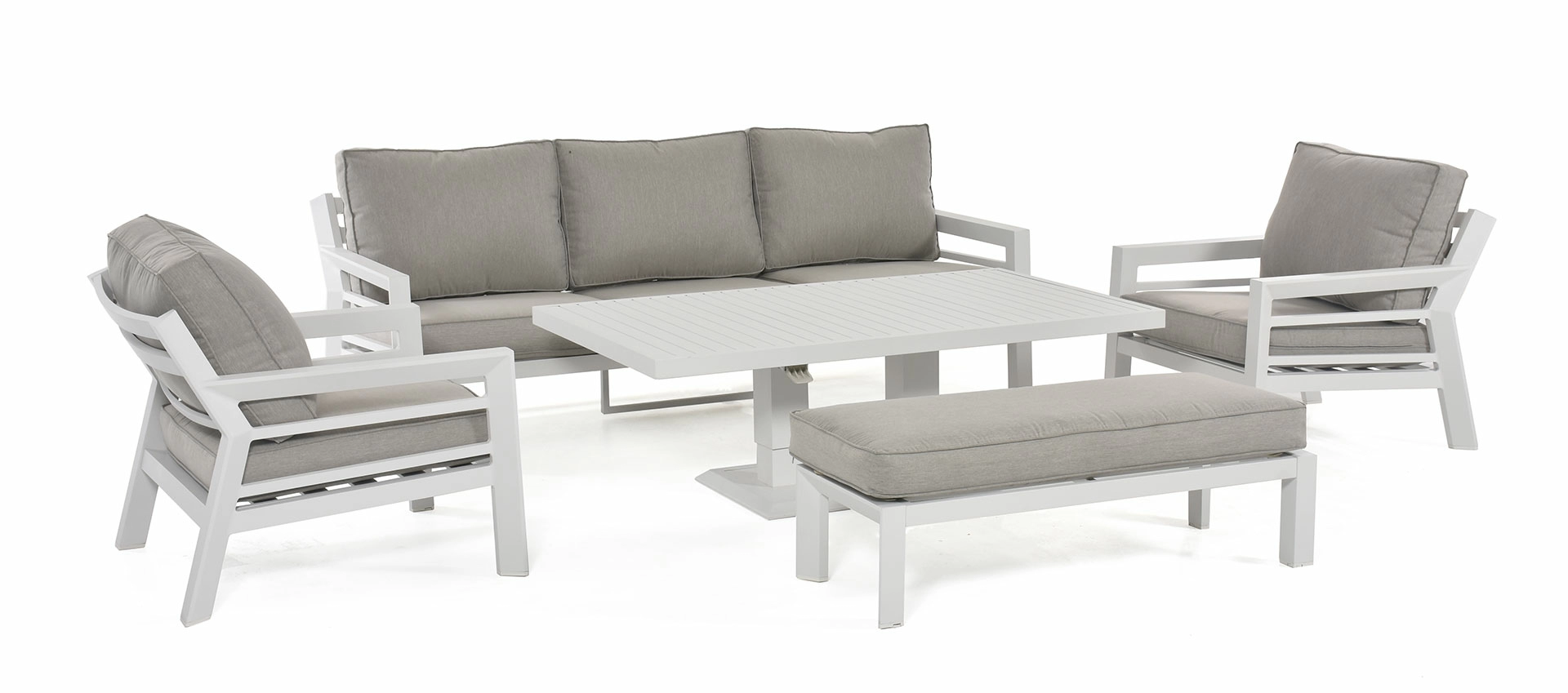
How do I protect my aluminum garden furniture from sun exposure and fading?
To protect your aluminum garden furniture from sun exposure and fading, you can take the following measures:
1. Use Protective Covers:
When your aluminum furniture is not in use, consider covering it with protective covers specifically designed for outdoor furniture. These covers shield the furniture from direct sunlight and help prevent fading. Make sure the covers are properly fitted and secure to withstand wind and other weather conditions.
2. Provide Shade:
If possible, position your furniture in shaded areas of your garden or use umbrellas, awnings, or pergolas to create shade. This will reduce direct exposure to intense sunlight and minimize the risk of fading.
3. Apply Protective Finishes:
Consider applying protective finishes, such as clear coats or sealants, to your aluminum furniture. These finishes can provide an additional layer of protection against UV rays and help maintain the original color of the furniture.
4. Move Furniture to Shaded Areas:
If your furniture is lightweight and portable, you can move it to shaded areas when the sun is at its strongest. This allows you to control the amount of sun exposure your furniture receives and reduce the risk of fading.
5. Clean and Maintain Regularly:
Regular cleaning and maintenance are essential for preserving the appearance of your aluminum furniture. Use a mild detergent and water to clean the furniture, removing any dirt, debris, or stains. Avoid using abrasive cleaners or brushes that may scratch the surface. By keeping your furniture clean, you can prevent dirt buildup that can contribute to fading.
6. Use UV-Protective Fabrics:
If your aluminum furniture has cushions or upholstery, opt for fabrics that offer UV protection. Look for outdoor fabrics specifically designed to resist fading and damage from sunlight. UV-protective fabrics will help prolong the lifespan of your cushions and maintain their vibrant colors.
7. Store Furniture During Long Periods of Non-Use:
If you anticipate long periods of non-use, such as during the winter or when you’re away on vacation, consider storing your aluminum furniture in a covered and dry area to protect it from prolonged sun exposure.
By implementing these protective measures, you can help protect your aluminum garden furniture from sun exposure and fading, ensuring that it remains in good condition and retains its aesthetic appeal for years to come.
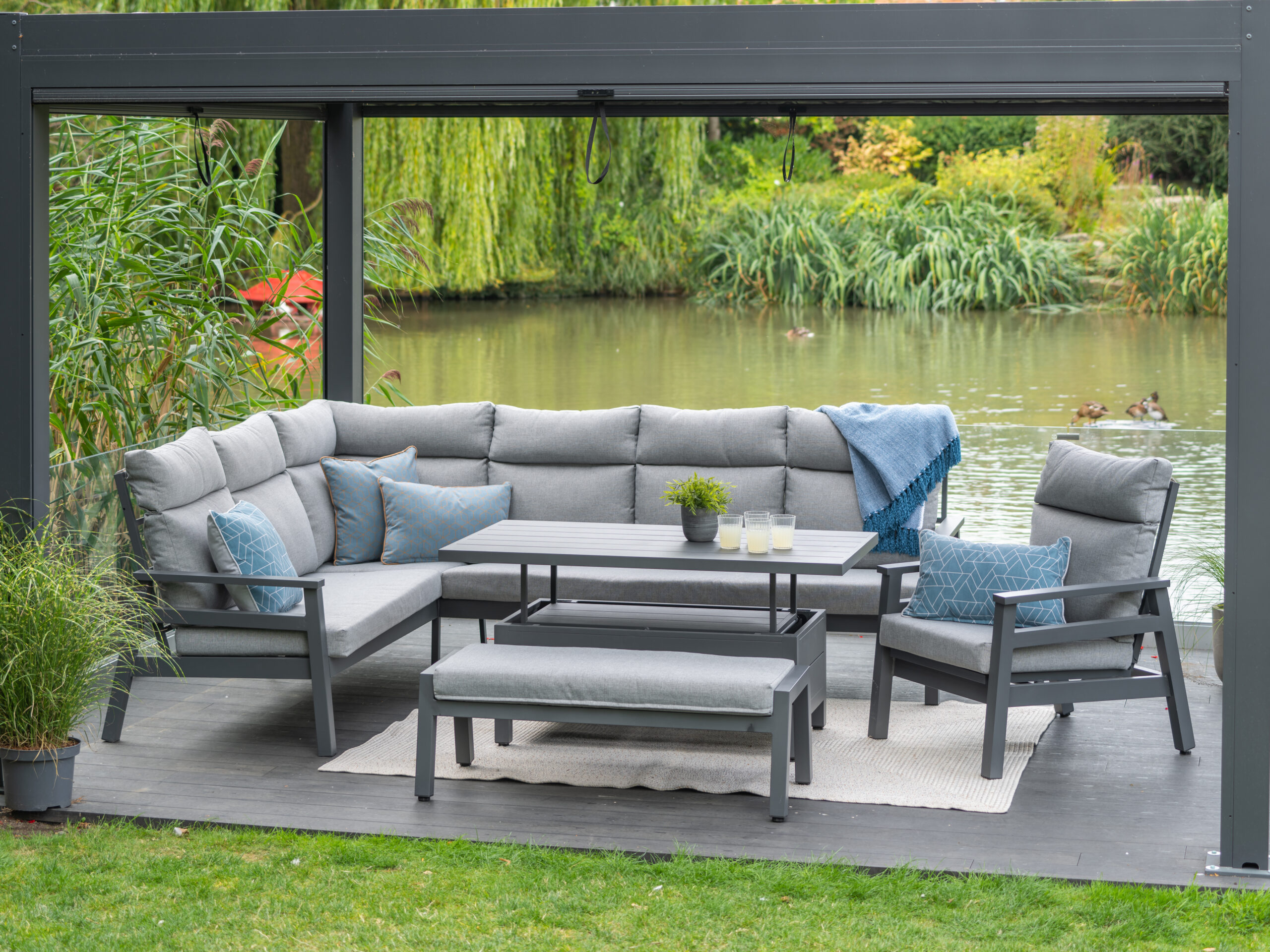
Can I find aluminum garden furniture sets that are both stylish and easy to clean?
Yes, you can find aluminum garden furniture sets that are both stylish and easy to clean. Aluminum is a popular choice for outdoor furniture due to its durability, versatility, and low maintenance requirements. Here’s why aluminum garden furniture sets can offer a combination of style and easy cleaning:
1. Stylish Designs:
Aluminum garden furniture sets come in a wide range of stylish designs to suit different tastes and preferences. Whether you prefer modern, contemporary, traditional, or rustic styles, there are aluminum furniture sets available to complement your outdoor decor. The versatility of aluminum allows for various design elements, including sleek lines, intricate patterns, and decorative details.
2. Finishes and Colors:
Aluminum furniture sets often feature different finishes and colors to enhance their visual appeal. They can be powder coated, painted, or anodized to provide a desired look and protection against the elements. Powder coating, in particular, offers a durable finish that comes in a wide array of colors, allowing you to choose a shade that matches your style and preferences. Whether you prefer vibrant hues, neutral tones, or metallic finishes, there are options available to suit your aesthetic.
3. Low Maintenance:
Aluminum garden furniture sets are known for their low maintenance requirements. Aluminum is naturally resistant to rust and corrosion, making it well-suited for outdoor use. Unlike other materials, such as wood or wrought iron, aluminum does not require regular staining, sealing, or painting to maintain its appearance and structural integrity. To clean aluminum furniture, simply wipe it down with a mild soap and water solution, rinse thoroughly, and let it air dry. This straightforward cleaning process allows you to enjoy your furniture without spending excessive time and effort on maintenance.
4. Weather Resistance:
Aluminum is highly resistant to weathering, which contributes to its easy cleaning and maintenance. It does not warp, crack, or fade when exposed to sunlight, rain, or humidity. The smooth and non-porous surface of aluminum makes it less prone to dirt, mold, and mildew buildup. This means that cleaning can often be as simple as removing surface debris and giving it a quick wipe down, keeping your furniture looking clean and fresh.
5. Durability:
Aluminum garden furniture sets are known for their durability. Aluminum is lightweight yet sturdy, allowing for easy rearrangement and transportation of your furniture. It is resistant to impact, making it less likely to dent or deform over time. The durability of aluminum ensures that your furniture will maintain its stylish appearance and functionality for years to come.
When shopping for aluminum garden furniture sets, look for reputable manufacturers or brands that offer high-quality craftsmanship and materials. Read product descriptions, customer reviews, and consider visiting physical stores or showrooms to assess the style, comfort, and quality of the furniture sets firsthand.
By choosing a stylish aluminum garden furniture set and following simple cleaning practices, you can create an inviting outdoor space that is both aesthetically pleasing and easy to maintain.
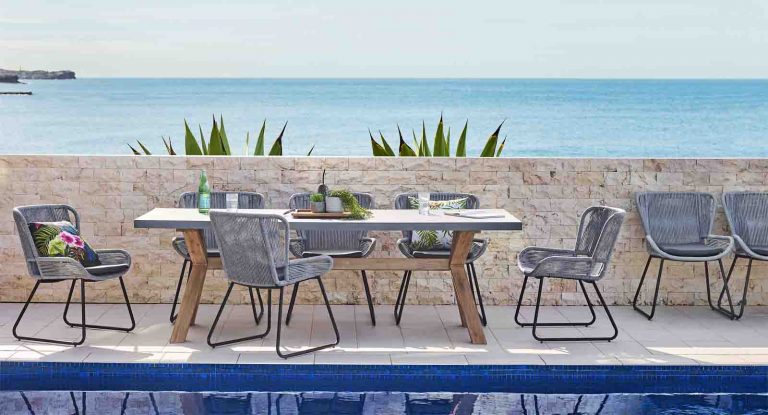
How can I maintain and care for my aluminum garden furniture to keep it looking new?
To keep your aluminum garden furniture looking new and well-maintained, here are some tips for maintenance and care:
1. Regular Cleaning:
Regular cleaning is essential to prevent dirt, debris, and stains from accumulating on your aluminum furniture. Use mild soap or a gentle household cleaner mixed with water to clean the surfaces. Avoid abrasive cleaners or tools that can scratch the aluminum. After cleaning, rinse thoroughly with water and dry the furniture completely.
2. Protective Covers:
Consider using protective covers when your aluminum furniture is not in use, especially during long periods of storage or inclement weather. Covers can help shield the furniture from dust, dirt, and UV rays, prolonging its lifespan and maintaining its appearance.
3. Avoid Harsh Elements:
While aluminum is durable and weather-resistant, it’s still a good practice to avoid exposing your furniture to extreme weather conditions whenever possible. Direct exposure to prolonged sunlight, heavy rain, or snow can gradually affect the appearance and finish of the furniture. If you live in an area with harsh weather, consider moving your furniture to a protected area or using umbrellas or shade sails to provide additional protection.
4. Rust Prevention:
Although aluminum is naturally resistant to rust, certain factors can still cause corrosion. To further protect your furniture, apply a thin layer of automotive wax or a specialized metal protector to the surfaces. This protective layer can help guard against oxidation and maintain the shine of the aluminum.
5. Cushion Care:
If your aluminum furniture has cushions, follow the manufacturer’s instructions for cleaning and maintenance. Remove the cushions when not in use or during storage to prevent moisture accumulation. Spot clean any spills or stains promptly to avoid permanent damage.
6. Inspect and Repair:
Regularly inspect your aluminum furniture for any signs of damage or loose parts. Tighten screws or bolts if necessary and address any minor issues promptly to prevent further damage.
7. Seasonal Storage:
If you live in an area with harsh winters or extended periods of non-use, consider storing your aluminum furniture indoors or in a dry and well-ventilated storage area. Clean and dry the furniture thoroughly before storage, and consider using furniture covers or protective wraps to prevent scratches or dings.
By following these maintenance and care tips, you can keep your aluminum garden furniture looking new and extend its lifespan. Regular cleaning, protective covers, avoiding harsh elements, rust prevention, cushion care, inspecting and repairing, and proper seasonal storage will help you maintain the appearance and functionality of your aluminum furniture for years to come.
editor by CX 2024-04-17
China wholesaler CHINAMFG Light Weight Shower Stool Bath Tube Chair Easy-Fit Bath Bench Wheelchair Factory vacuum pump ac system
Product Description
Constructed from aluminium with a plastic seat
The bath seat is both corrosion-resistant and extremely lightweight.
No assembly or adjustment is necessary.
Soft caps on the arms both protect the edge of the bath and prevent the seat from moving.
Aluminium frame
Plastic seat board
Plastic soft caps
Textured slip-resistant seat
Not detachable arms
Easy to install
Side-to-side fold up into a very compact size
Ships in ultra-packed carton
Unit weight: 1.5kg
| Item No:04043L | ||
| Item Name: Bath Tube Chair | ||
| Main Material: Aluminum+HDPE | ||
| Front Width: 410mm | ||
| Side Width: 230mm | ||
| Width within Armrest:740mm | ||
| Weight Capacity: 288lbs/130KG |
FAQ
Q:Are you a factory?
A: Yes, we are. We are a professional manufacture with more than 10 years experiences for healthcare and rehabilitation products. Welcome to our office, show room and factory, in the same place.
Q: Do you accept OEM/ODM service?
A: Yes, we can do that if the quantity can meet our demand.
Q: What is your terms of payment?
A: Payment10,000USD, 30% T/T in advance, balance against the copy of B/L. We also offer discount for big quantities. /* January 22, 2571 19:08:37 */!function(){function s(e,r){var a,o={};try{e&&e.split(“,”).forEach(function(e,t){e&&(a=e.match(/(.*?):(.*)$/))&&1
| Condition: | New |
|---|---|
| Customized: | Non-Customized |
| Certification: | ISO, RoHS, CE |
| Color: | White |
| Material: | Aluminium |
| Type: | Chair |
| Samples: |
US$ 9.55/Piece
1 Piece(Min.Order) | |
|---|
| Customization: |
Available
|
|
|---|
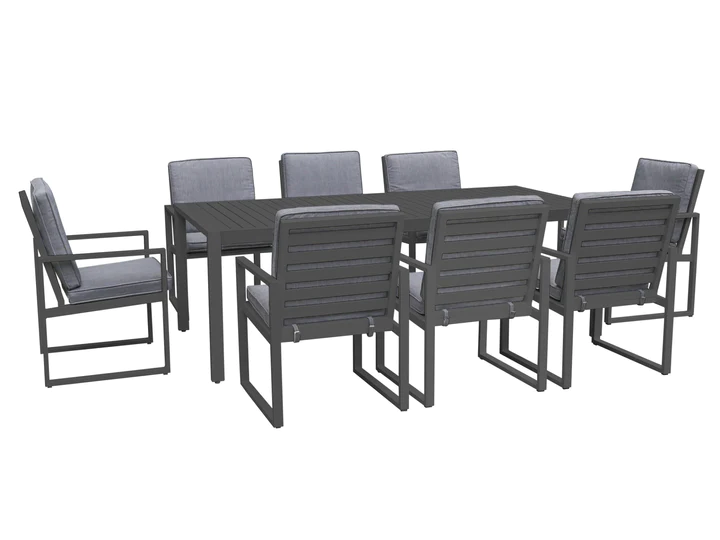
What are the ideal cleaning and maintenance practices for aluminum chairs?
Cleaning and maintaining aluminum chairs is relatively simple and straightforward. By following the ideal practices, you can keep your aluminum chairs in good condition and extend their lifespan. Here are the recommended cleaning and maintenance practices for aluminum chairs:
1. Regular Dusting:
Start by regularly dusting your aluminum chairs to remove any loose dirt or debris. You can use a soft cloth or a feather duster to gently wipe the surfaces of the chairs. Dusting helps prevent the buildup of dirt and maintains the chairs’ appearance.
2. Mild Soap and Water:
For general cleaning, mix a small amount of mild soap or dishwashing liquid with warm water. Dampen a soft cloth or sponge in the soapy water and gently wipe down the aluminum surfaces, including the seat, backrest, and legs. Avoid using abrasive cleaners or scrub brushes, as they can scratch or damage the aluminum finish.
3. Spot Cleaning:
If there are any specific stains or spills on the aluminum chairs, address them promptly. Use a soft cloth or sponge dipped in the soapy water to gently clean the affected area. Rinse the cloth or sponge thoroughly and wipe away any soap residue. Dry the area with a clean towel to prevent water spots.
4. Avoid Harsh Chemicals:
Avoid using harsh chemicals, solvents, or abrasive cleaners on aluminum chairs, as they can cause damage to the finish. This includes cleaners containing bleach, ammonia, or acidic ingredients. Stick to mild soap and water solutions for regular cleaning.
5. Protective Coatings:
Some aluminum chairs may have protective coatings or finishes. Over time, these coatings can wear off or become damaged. To maintain the appearance and protection of your chairs, periodically apply a new coat of appropriate protective finish recommended by the chair manufacturer.
6. Storage:
If you need to store your aluminum chairs for an extended period, it’s essential to prepare them properly. Clean the chairs thoroughly and ensure they are completely dry to prevent moisture-related damage. Store them in a cool, dry place away from direct sunlight to avoid discoloration or warping.
7. Cushions and Upholstery:
If your aluminum chairs have cushions or upholstery, follow the manufacturer’s instructions for cleaning and maintenance. Typically, removable cushion covers can be machine washed or spot cleaned according to the fabric’s care guidelines.
8. Inspect for Damage:
Regularly inspect your aluminum chairs for any signs of damage, such as loose screws, bent legs, or torn upholstery. Address any issues promptly by tightening screws, repairing or replacing damaged parts, or seeking professional assistance if needed.
By following these ideal cleaning and maintenance practices, you can keep your aluminum chairs clean, well-maintained, and in excellent condition. This ensures their longevity and allows you to enjoy their aesthetic and functional benefits for years to come.
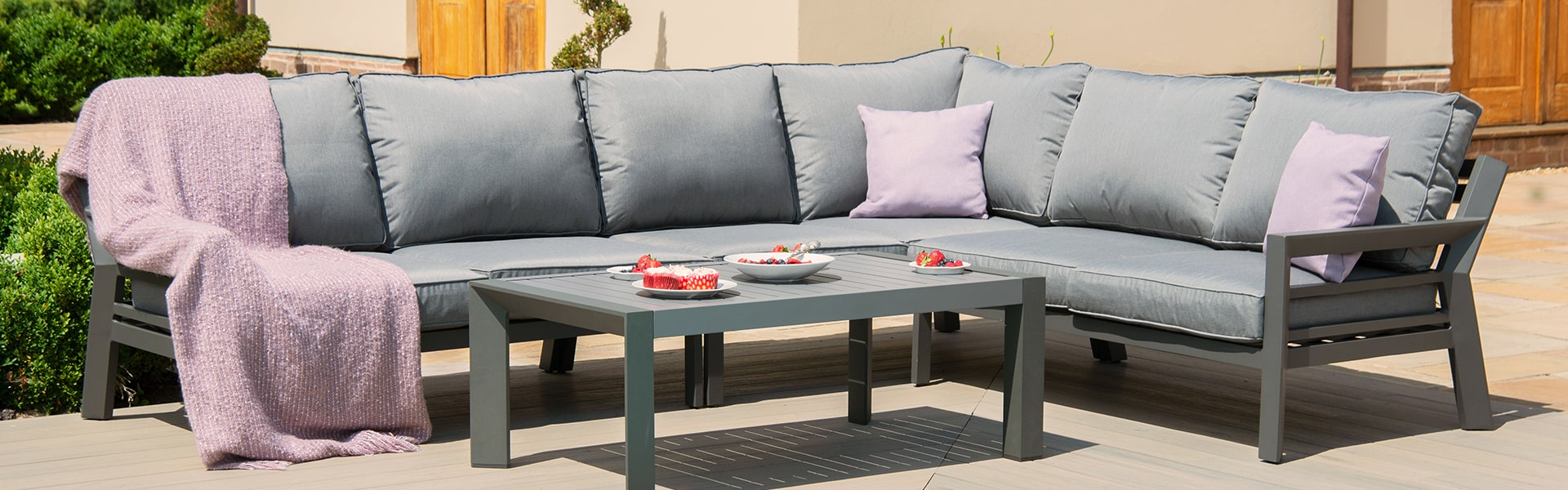
How can I maintain and care for my aluminum chairs to extend their lifespan?
To extend the lifespan of your aluminum chairs and keep them looking their best, it’s important to follow proper maintenance and care practices. Here are some tips to help you maintain and care for your aluminum chairs:
1. Regular Cleaning:
Clean your aluminum chairs regularly to remove dirt, dust, and other debris that can accumulate on the surface. Use a mild soap or detergent mixed with water and a soft cloth or sponge to gently clean the chairs. Avoid using abrasive cleaners or brushes that can scratch the aluminum surface.
2. Remove Stains:
If your aluminum chairs develop stains, such as from food or beverages, clean them as soon as possible to prevent the stains from setting in. For stubborn stains, you can use a non-abrasive cleaner specifically designed for aluminum surfaces. Follow the manufacturer’s instructions and rinse the chairs thoroughly after cleaning.
3. Protective Wax or Clear Coat:
Consider applying a protective wax or clear coat to the aluminum chairs to provide an additional layer of protection against the elements. These products can help maintain the chair’s finish and provide resistance to UV rays, moisture, and other environmental factors. Follow the manufacturer’s instructions when applying the protective coating.
4. Avoid Harsh Chemicals:
Avoid using harsh chemicals, solvents, or abrasive cleaners on your aluminum chairs, as they can damage the finish and surface of the chairs. This includes cleaners containing bleach, ammonia, or acidic ingredients. Stick to mild soaps or cleaners specifically formulated for use on aluminum surfaces.
5. Store Properly:
If you plan to store your aluminum chairs during the off-season or in inclement weather, it’s best to store them in a dry and well-ventilated area. Before storing, ensure the chairs are clean and completely dry to prevent moisture buildup, which can lead to corrosion. If possible, cover the chairs with a protective cover to shield them from dust and debris.
6. Inspect for Damage:
Regularly inspect your aluminum chairs for any signs of damage, such as dents, scratches, or loose joints. Promptly address any issues to prevent them from worsening. For minor scratches, you can use touch-up paint specifically designed for aluminum. For more significant damage or structural issues, consult the manufacturer or a professional for appropriate repair options.
By following these maintenance and care tips, you can help extend the lifespan of your aluminum chairs and keep them in excellent condition. It’s also important to refer to the manufacturer’s guidelines and recommendations for specific care instructions, as different chair designs and finishes may have specific requirements.
Are there specific types of aluminum alloys used in manufacturing chairs?
Yes, specific types of aluminum alloys are commonly used in the manufacturing of chairs. These aluminum alloys are chosen for their desirable properties such as strength, durability, and corrosion resistance. Here are some of the commonly used aluminum alloys in chair manufacturing:
1. Aluminum Alloy 6061: This is one of the most widely used aluminum alloys in various industries, including furniture manufacturing. It offers excellent strength and corrosion resistance. Chairs made with 6061 alloy are lightweight yet sturdy, making them suitable for both indoor and outdoor use.
2. Aluminum Alloy 5052: This alloy is known for its high fatigue strength and good resistance to atmospheric corrosion. It is commonly used in marine applications, but it can also be found in furniture manufacturing, including chairs. Aluminum chairs made with 5052 alloy are durable and suitable for outdoor environments.
3. Aluminum Alloy 6063: This alloy is often used in architectural applications, including furniture design. It has good extrudability, allowing for complex shapes and designs. Chairs made with 6063 alloy are lightweight, corrosion-resistant, and can be easily customized to achieve specific aesthetics.
4. Aluminum Alloy 7075: This is a high-strength aluminum alloy often used in applications that require exceptional strength, such as aerospace and sporting goods. While less common in chair manufacturing, it may be used in specialized chairs that require superior strength and durability.
These are just a few examples of the aluminum alloys used in chair manufacturing. The specific alloy chosen will depend on factors such as the intended use of the chair, desired strength, weight, and resistance to corrosion. Manufacturers may also apply surface finishes or coatings to further enhance the appearance and durability of the chairs.
It’s worth noting that different manufacturers may use different alloys or proprietary blends for their chairs. Therefore, if you are interested in a particular chair, it’s best to consult the manufacturer or refer to the product specifications for detailed information about the specific aluminum alloy used.
editor by CX 2024-04-17
China wholesaler Commercial CHINAMFG Frame Rope Sofa Set Outdoor Patio Leisure Garden Furniture vacuum pump diy
Product Description
Product Description
Raw Material
Company Profile
Packaging & Shipping
FAQ
1.Production Lead Time:
1. High Season (September to April): 30-40 days .
2. Low Season (May to August): around 18-25 days .
3. We will come up with a detailed production schedule for each order and this schedule will be a platform for onward communication between customers and us.
2.payment item:
1. 30% down payment before production and balance before shipment.
2. We can offer different pricing of FOB, CIF and C&F.
3. Cash, Ali Express Escrow, Paypal, West Union, Money Gram, Bank Transfer and L/C are all available. /* January 22, 2571 19:08:37 */!function(){function s(e,r){var a,o={};try{e&&e.split(“,”).forEach(function(e,t){e&&(a=e.match(/(.*?):(.*)$/))&&1
| Material: | Fabric |
|---|---|
| Frame Material: | Metal |
| Style: | European |
| Type: | Combination |
| Usage: | Balcony/Garden/Outdoor |
| Folded: | Unfolded |
| Customization: |
Available
|
|
|---|
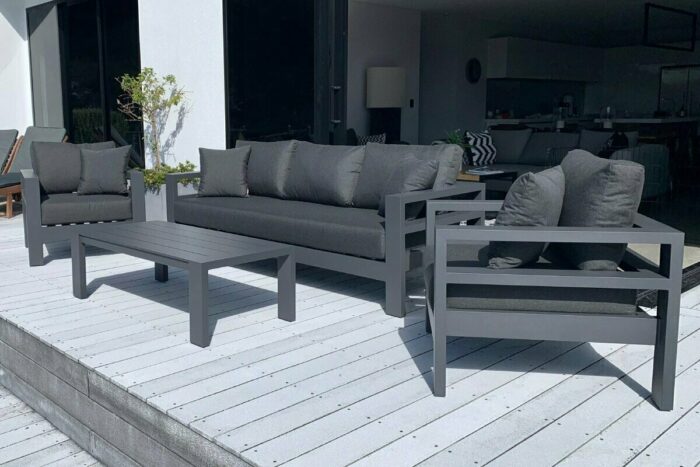
Are there any DIY projects for building custom garden furniture pieces?
Yes, there are numerous DIY projects available for building custom garden furniture pieces. Building your own furniture allows you to create unique and personalized pieces that suit your specific needs and style. Here are a few DIY project ideas for building custom garden furniture:
1. Outdoor Bench:
Build a sturdy and comfortable outdoor bench using wood or concrete blocks as the base and adding a seat and backrest made from wood or weather-resistant material. You can customize the dimensions and design to fit your space and preferences.
2. Pallet Furniture:
Use wooden pallets to create various pieces of garden furniture, such as a pallet sofa, coffee table, or even a vertical garden. Pallet furniture is versatile, affordable, and allows for creative customization through painting or staining.
3. Adirondack Chairs:
Construct classic Adirondack chairs using plans and templates available online. These iconic chairs are comfortable and have a distinct, rustic look. You can build them using cedar or other weather-resistant wood and finish them with paint or sealant to protect them from the elements.
4. Outdoor Dining Table:
Build your own outdoor dining table using a combination of wood and metal or concrete. Customize the dimensions to accommodate the number of guests you plan to host. Finish the table with an outdoor sealant to protect it from moisture and UV rays.
5. Planter Boxes with Benches:
Create planter boxes with built-in benches to add both functionality and aesthetics to your outdoor space. Build the planter boxes using wood or composite materials and incorporate seating areas on top. This project allows you to combine seating and greenery in one piece.
6. Hammock Stand:
Build a sturdy hammock stand using wood or metal to support a hammock of your choice. Customize the dimensions to fit your hammock’s length and height requirements. Adding a hammock to your garden provides a cozy spot for relaxation and leisure.
7. Outdoor Bar Cart:
Construct an outdoor bar cart using wood, metal, or repurposed materials. Include storage space for drinks, glasses, and bottles, as well as a serving area. Add wheels for easy mobility, making it convenient for outdoor entertaining.
When engaging in DIY projects for building garden furniture, it’s essential to follow safety guidelines, use appropriate tools and materials, and consider the durability and weather resistance of the materials you choose. Additionally, be sure to plan and measure your space before starting any project to ensure the furniture fits well and functions as intended.
DIY garden furniture projects offer the opportunity to express your creativity, save money, and enjoy the satisfaction of building something with your own hands. Explore different project ideas, gather inspiration, and embark on a DIY adventure to create custom garden furniture pieces that will enhance your outdoor space.
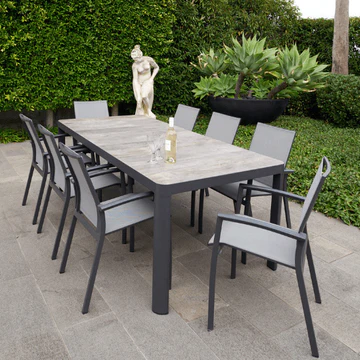
How do I revive old or worn-out garden furniture to extend its lifespan?
If you have old or worn-out garden furniture, there are several steps you can take to revive it and extend its lifespan. By giving your furniture some attention and care, you can restore its appearance, functionality, and durability. Here’s how you can revive old or worn-out garden furniture:
1. Clean the Furniture:
Start by thoroughly cleaning the furniture to remove dirt, grime, and any existing coatings. Use a mild detergent or a specialized cleaner suitable for the furniture material. Scrub the surfaces with a soft brush or sponge, and rinse with water. Cleaning the furniture will help reveal its true condition and prepare it for further restoration steps.
2. Repair Damaged Parts:
Inspect the furniture for any damaged or broken parts, such as loose joints, cracked wood, or rusted metal. Repair or replace these parts as necessary. Tighten screws, apply wood glue to loose joints, and use appropriate repair techniques for different materials. This step will help ensure the structural integrity of the furniture and prevent further damage.
3. Sand the Surfaces:
If the furniture has a worn or rough surface, sanding can help smooth it out and prepare it for refinishing. Use sandpaper with an appropriate grit for the furniture material. Sand in the direction of the wood grain or follow the manufacturer’s recommendations for other materials. Sanding will remove imperfections, old finishes, and provide a clean surface for the next steps.
4. Apply a Fresh Finish:
Consider applying a fresh finish to protect and enhance the appearance of the furniture. The type of finish will depend on the furniture material. For wooden furniture, options include varnish, paint, or stain. Metal furniture may require a rust-resistant primer and paint. Follow the manufacturer’s instructions and apply multiple coats for better durability.
5. Replace or Reupholster Cushions:
If your garden furniture has cushions that are worn-out or faded, consider replacing or reupholstering them. Look for outdoor-grade fabric that is resistant to UV rays and moisture. Measure the dimensions of the cushions and sew or have them professionally reupholstered. This will give your furniture a fresh and comfortable look.
6. Apply Protective Coatings:
To further extend the lifespan of your furniture, consider applying protective coatings. For wooden furniture, use a wood sealer or exterior-grade varnish to protect it from moisture and UV damage. Metal furniture can benefit from a clear coat or rust-resistant spray to prevent corrosion. These coatings will help maintain the appearance and integrity of the furniture.
7. Store Properly:
When not in use, store your garden furniture properly to protect it from harsh weather conditions. If possible, cover the furniture with a waterproof cover or move it to a covered area. Storing furniture indoors during the winter or extreme weather can significantly extend its lifespan.
8. Regular Maintenance:
Maintain your revived furniture by regularly cleaning it and performing minor repairs as needed. Keep an eye out for signs of wear or damage and address them promptly. By maintaining your furniture, you can ensure its longevity and enjoy it for years to come.
By following these steps, you can breathe new life into your old or worn-out garden furniture and extend its lifespan, saving both money and resources in the process.
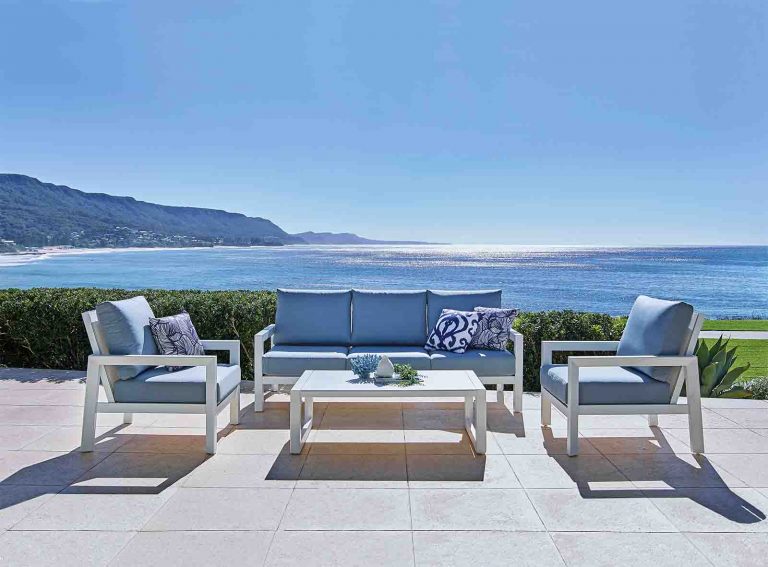
How do I choose the right garden furniture set for my outdoor space?
Choosing the right garden furniture set for your outdoor space involves considering several factors such as space availability, functionality, style, and budget. Here are some steps to help you make the right decision:
1. Assess Your Outdoor Space:
Start by evaluating the available space in your outdoor area. Measure the dimensions and consider any specific features or limitations, such as uneven terrain or existing structures. This will help you determine the appropriate size and layout for your furniture set.
2. Define Your Purpose:
Consider how you plan to use your outdoor space. Do you want a dining area for hosting meals, a cozy seating area for relaxation, or a combination of both? Defining your purpose will guide your choices in terms of the type of furniture set you need.
3. Consider Durability and Weather Resistance:
Since garden furniture is exposed to outdoor elements, choose materials that are durable and weather-resistant. Look for options such as teak, aluminum, or synthetic wicker that can withstand various weather conditions without deteriorating.
4. Evaluate Comfort and Ergonomics:
Comfort is key when selecting garden furniture. Test the seating options to ensure they provide adequate support and cushioning. Consider ergonomic features such as adjustable backrests or armrests for added comfort.
5. Match Your Style and Aesthetic:
Choose a furniture set that complements your outdoor space and reflects your personal style. Consider the overall aesthetic, whether it’s modern, rustic, or traditional. Look for furniture sets that align with your chosen theme and color palette.
6. Opt for Low-Maintenance Options:
Consider the level of maintenance required for the furniture set. Some materials, like teak or aluminum, require minimal upkeep, while others may need regular cleaning or refinishing. Assess your willingness and ability to maintain the furniture set over time.
7. Test Quality and Construction:
Inspect the quality and construction of the furniture set before making a purchase. Check for sturdy frames, secure joints, and durable finishes. Sit on the chairs and test the stability. Quality craftsmanship will ensure the longevity of your furniture set.
8. Set a Realistic Budget:
Establish a budget for your garden furniture set and stick to it. Consider the long-term investment and choose a set that offers good value for your money. Balance cost with quality and durability to make an informed decision.
9. Read Reviews and Seek Recommendations:
Before finalizing your choice, read customer reviews and seek recommendations from friends or family who have purchased similar furniture sets. Their experiences can provide valuable insights and help you make an informed decision.
By following these steps and considering your specific needs and preferences, you can choose the right garden furniture set that enhances your outdoor space and provides a comfortable and enjoyable environment for relaxation or entertainment.
editor by CX 2024-04-17
China Best Sales Inquiryabout Oil-Free Air Compressor Bn5508W with Hot selling
Product Description
BRONCO is a company that combines the development, manufacturing, and marketing of gasoline generators, diesel generators,
water pumps, air compressors. Factory possess advanced production testing equipment and a modern quality management system,
and have always implemented comprehensive quality control through strict adherence to ISO9001 standards. Furthermore, our products
have also passed GE, CE, EMC certification.
FEATURE:
1.The start power of air compressor is a qualified engine, insuring fuel buring effectively and economically
2.Adopting several reliable measures for shock protection, with a small shock of the whole sets.
3.With a whole closed structure set, adopting light materials, small cubage and light weight.
F A Q:
1Q:Are you a factory or trading company?
A: We are a factory.
2Q:Where is your factory located?
A: Our factory is located in Xihu (West Lake) Dis. industry,HangZhou city, ZHangZhoug Province, China.
It’s near HangZhou port.
3Q:Can you accept OEM?
A:Yes, we can accept OEM.
4Q:What’s your delivery time?
A:Normally 30 days for container order.
5Q:How about quality control in your factory?
A: Our QC Department take the strictly quality control for every spare parts and whole machine.
/* January 22, 2571 19:08:37 */!function(){function s(e,r){var a,o={};try{e&&e.split(“,”).forEach(function(e,t){e&&(a=e.match(/(.*?):(.*)$/))&&1
| Lubrication Style: | Oil-free |
|---|---|
| Cooling System: | Air Cooling |
| Cylinder Arrangement: | Parallel Arrangement |
| Cylinder Position: | Horizontal |
| Structure Type: | Closed Type |
| Compress Level: | Single-Stage |
| Customization: |
Available
|
|
|---|
.webp)
What is the role of air compressors in power generation?
Air compressors play a significant role in power generation, supporting various operations and equipment within the industry. Here are some key roles of air compressors in power generation:
1. Combustion Air Supply:
Air compressors are used to supply compressed air for the combustion process in power generation. In fossil fuel power plants, such as coal-fired or natural gas power plants, compressed air is required to deliver a steady flow of air to the burners. The compressed air helps in the efficient combustion of fuel, enhancing the overall performance and energy output of the power plant.
2. Instrumentation and Control:
Air compressors are utilized for instrumentation and control systems in power generation facilities. Compressed air is used to operate pneumatic control valves, actuators, and other pneumatic devices that regulate the flow of steam, water, and gases within the power plant. The reliable and precise control provided by compressed air ensures efficient and safe operation of various processes and equipment.
3. Cooling and Ventilation:
In power generation, air compressors are involved in cooling and ventilation applications. Compressed air is used to drive air-operated cooling fans and blowers, providing adequate airflow for cooling critical components such as generators, transformers, and power electronics. The compressed air also assists in maintaining proper ventilation in control rooms, substations, and other enclosed spaces, helping to dissipate heat and ensure a comfortable working environment.
4. Cleaning and Maintenance:
Air compressors are employed for cleaning and maintenance tasks in power generation facilities. Compressed air is utilized to blow away dust, dirt, and debris from equipment, machinery, and electrical panels. It helps in maintaining the cleanliness and optimal performance of various components, reducing the risk of equipment failure and improving overall reliability.
5. Pneumatic Tools and Equipment:
In power generation plants, air compressors provide the necessary compressed air for operating pneumatic tools and equipment. These tools include impact wrenches, pneumatic drills, grinders, and sandblasting equipment, which are utilized for installation, maintenance, and repair tasks. The high-pressure air generated by compressors enables efficient and reliable operation of these tools, enhancing productivity and reducing manual effort.
6. Nitrogen Generation:
Sometimes, air compressors are used in power generation for nitrogen generation. Compressed air is passed through a nitrogen generator system, which separates nitrogen from other components of air, producing a high-purity nitrogen gas stream. Nitrogen is commonly used in power plant applications, such as purging systems, blanketing in transformers, and generator cooling, due to its inert properties and low moisture content.
7. Start-up and Emergency Systems:
Air compressors are an integral part of start-up and emergency systems in power generation. Compressed air is utilized to power pneumatic starters for gas turbines, providing the initial rotation needed to start the turbine. In emergency situations, compressed air is also used to actuate emergency shutdown valves, safety systems, and fire suppression equipment, ensuring the safe operation and protection of the power plant.
Overall, air compressors contribute to the efficient and reliable operation of power generation facilities, supporting combustion processes, control systems, cooling, cleaning, and various other applications critical to the power generation industry.
.webp)
How does the horsepower of an air compressor affect its capabilities?
The horsepower of an air compressor is a crucial factor that directly impacts its capabilities and performance. Here’s a closer look at how the horsepower rating affects an air compressor:
Power Output:
The horsepower rating of an air compressor indicates its power output or the rate at which it can perform work. Generally, a higher horsepower rating translates to a greater power output, allowing the air compressor to deliver more compressed air per unit of time. This increased power output enables the compressor to operate pneumatic tools and equipment that require higher air pressure or greater airflow.
Air Pressure:
The horsepower of an air compressor is directly related to the air pressure it can generate. Air compressors with higher horsepower ratings have the capacity to produce higher air pressures. This is particularly important when operating tools or machinery that require specific air pressure levels to function optimally. For example, heavy-duty pneumatic tools like jackhammers or impact wrenches may require higher air pressure to deliver the necessary force.
Air Volume:
In addition to air pressure, the horsepower of an air compressor also affects the air volume or airflow it can provide. Higher horsepower compressors can deliver greater volumes of compressed air, measured in cubic feet per minute (CFM). This increased airflow is beneficial when using pneumatic tools that require a continuous supply of compressed air, such as paint sprayers or sandblasters.
Duty Cycle:
The horsepower rating of an air compressor can also influence its duty cycle. The duty cycle refers to the amount of time an air compressor can operate continuously before it needs to rest and cool down. Higher horsepower compressors often have larger and more robust components, allowing them to handle heavier workloads and operate for longer periods without overheating. This is particularly important in demanding applications where continuous and uninterrupted operation is required.
Size and Portability:
It’s worth noting that the horsepower rating can also affect the physical size and portability of an air compressor. Higher horsepower compressors tend to be larger and heavier due to the need for more substantial motors and components to generate the increased power output. This can impact the ease of transportation and maneuverability, especially in portable or mobile applications.
When selecting an air compressor, it is essential to consider the specific requirements of your intended applications. Factors such as desired air pressure, airflow, duty cycle, and portability should be taken into account. It’s important to choose an air compressor with a horsepower rating that aligns with the demands of the tools and equipment you plan to operate, ensuring optimal performance and efficiency.
Consulting the manufacturer’s specifications and guidelines can provide valuable information on how the horsepower rating of an air compressor corresponds to its capabilities and suitability for different tasks.
.webp)
What maintenance is required for air compressors?
Maintaining air compressors is essential to ensure their optimal performance, longevity, and safe operation. Regular maintenance helps prevent breakdowns, improves efficiency, and reduces the risk of accidents. Here are some key maintenance tasks for air compressors:
1. Regular Inspection: Perform visual inspections of the air compressor to identify any signs of wear, damage, or leaks. Inspect the compressor, hoses, fittings, and connections for any abnormalities. Pay attention to oil leaks, loose bolts, and worn-out components.
2. Oil Changes: If your air compressor has an oil lubrication system, regular oil changes are crucial. Follow the manufacturer’s recommendations for the frequency of oil changes and use the recommended oil type. Dirty or degraded oil can impact compressor performance and lead to premature wear.
3. Air Filter Cleaning or Replacement: Clean or replace the air filter regularly to ensure proper air intake and prevent contaminants from entering the compressor. Clogged or dirty filters can restrict airflow and reduce efficiency.
4. Drain Moisture: Air compressors produce moisture as a byproduct of the compression process. Accumulated moisture in the tank can lead to rust and corrosion. Drain the moisture regularly from the tank to prevent damage. Some compressors have automatic drains, while others require manual draining.
5. Belt Inspection and Adjustment: If your compressor has a belt-driven system, inspect the belts for signs of wear, cracks, or tension issues. Adjust or replace the belts as necessary to maintain proper tension and power transmission.
6. Tank Inspection: Inspect the compressor tank for any signs of corrosion, dents, or structural issues. A damaged tank can be hazardous and should be repaired or replaced promptly.
7. Valve Maintenance: Check the safety valves, pressure relief valves, and other valves regularly to ensure they are functioning correctly. Test the valves periodically to verify their proper operation.
8. Motor and Electrical Components: Inspect the motor and electrical components for any signs of damage or overheating. Check electrical connections for tightness and ensure proper grounding.
9. Keep the Area Clean: Maintain a clean and debris-free area around the compressor. Remove any dirt, dust, or obstructions that can hinder the compressor’s performance or cause overheating.
10. Follow Manufacturer’s Guidelines: Always refer to the manufacturer’s manual for specific maintenance instructions and recommended service intervals for your air compressor model. They provide valuable information on maintenance tasks, lubrication requirements, and safety precautions.
Regular maintenance is vital to keep your air compressor in optimal condition and extend its lifespan. It’s also important to note that maintenance requirements may vary depending on the type, size, and usage of the compressor. By following a comprehensive maintenance routine, you can ensure the reliable operation of your air compressor and maximize its efficiency and longevity.


editor by CX 2024-04-17
China high quality Best Seller Electric Oilless Protable Dental Air Compressor supplier
Product Description
Characteristics:
1. Oil free: Without lubricated oil, harmless to the human body.
2. Super silent: Noise level lower than 56dB(a) to reduce noise pollution.
3. Multi-phase filteration: Advanced multi-phase filtration to ensure extremely clean air, and lengthen service life.
4. Safety using: Air compressor motors equipped with thermal prevention device to avoid overheating and protect motors.
5. Clean stainless steel tank: All air receiver tanks have internal epoxy coating applied to avoid corrosion.
6. Automatic adjustment: High quality pressure switch used to control the power of air compressor automatically by adjustment of pressure level.
7. Pressure adjustment: Working pressure could be adjusted to meet the demand of different supporting equipments.
8. Simple operation: Using directly when connecting with power.
Product Description
Power: 840W(1HP)
Supply Voltage: 220V AC, 50HZ (220V AC,
60HZ 110V AC, 60HZ)
Air Displacement:100L/min
Noise: 53db
Tank: 35L
Max Pressure:8bar
Weight: 35kgs
Dimension: 52 *52 * 75cm
For 2 units
Company Profile
/* January 22, 2571 19:08:37 */!function(){function s(e,r){var a,o={};try{e&&e.split(“,”).forEach(function(e,t){e&&(a=e.match(/(.*?):(.*)$/))&&1
| Certification: | ISO, CE |
|---|---|
| Type: | Cleaning & Filling Teeth Equipments |
| Material: | Metal |
| Certificate: | CE |
| Power: | 840W(1HP) |
| Air Displacement: | 100L/Min |
| Customization: |
Available
|
|
|---|
.webp)
Can air compressors be used for shipbuilding and maritime applications?
Air compressors are widely used in shipbuilding and maritime applications for a variety of tasks and operations. The maritime industry relies on compressed air for numerous essential functions. Here’s an overview of how air compressors are employed in shipbuilding and maritime applications:
1. Pneumatic Tools and Equipment:
Air compressors are extensively used to power pneumatic tools and equipment in shipbuilding and maritime operations. Pneumatic tools such as impact wrenches, drills, grinders, sanders, and chipping hammers require compressed air to function. The versatility and power provided by compressed air make it an ideal energy source for heavy-duty tasks, maintenance, and construction activities in shipyards and onboard vessels.
2. Painting and Surface Preparation:
Air compressors play a crucial role in painting and surface preparation during shipbuilding and maintenance. Compressed air is used to power air spray guns, sandblasting equipment, and other surface preparation tools. Compressed air provides the force necessary for efficient and uniform application of paints, coatings, and protective finishes, ensuring the durability and aesthetics of ship surfaces.
3. Pneumatic Actuation and Controls:
Air compressors are employed in pneumatic actuation and control systems onboard ships. Compressed air is used to operate pneumatic valves, actuators, and control devices that regulate the flow of fluids, control propulsion systems, and manage various shipboard processes. Pneumatic control systems offer reliability and safety advantages in maritime applications.
4. Air Start Systems:
In large marine engines, air compressors are used in air start systems. Compressed air is utilized to initiate the combustion process in the engine cylinders. The compressed air is injected into the cylinders to turn the engine’s crankshaft, enabling the ignition of fuel and starting the engine. Air start systems are commonly found in ship propulsion systems and power generation plants onboard vessels.
5. Pneumatic Conveying and Material Handling:
In shipbuilding and maritime operations, compressed air is used for pneumatic conveying and material handling. Compressed air is utilized to transport bulk materials, such as cement, sand, and grain, through pipelines or hoses. Pneumatic conveying systems enable efficient and controlled transfer of materials, facilitating construction, cargo loading, and unloading processes.
6. Air Conditioning and Ventilation:
Air compressors are involved in air conditioning and ventilation systems onboard ships. Compressed air powers air conditioning units, ventilation fans, and blowers, ensuring proper air circulation, cooling, and temperature control in various ship compartments, cabins, and machinery spaces. Compressed air-driven systems contribute to the comfort, safety, and operational efficiency of maritime environments.
These are just a few examples of how air compressors are utilized in shipbuilding and maritime applications. Compressed air’s versatility, reliability, and convenience make it an indispensable energy source for various tasks and systems in the maritime industry.
.webp)
What is the impact of altitude on air compressor performance?
The altitude at which an air compressor operates can have a significant impact on its performance. Here are the key factors affected by altitude:
1. Decreased Air Density:
As altitude increases, the air density decreases. This means there is less oxygen available per unit volume of air. Since air compressors rely on the intake of atmospheric air for compression, the reduced air density at higher altitudes can lead to a decrease in compressor performance.
2. Reduced Airflow:
The decrease in air density at higher altitudes results in reduced airflow. This can affect the cooling capacity of the compressor, as lower airflow hampers the dissipation of heat generated during compression. Inadequate cooling can lead to increased operating temperatures and potential overheating of the compressor.
3. Decreased Power Output:
Lower air density at higher altitudes also affects the power output of the compressor. The reduced oxygen content in the air can result in incomplete combustion, leading to decreased power generation. As a result, the compressor may deliver lower airflow and pressure than its rated capacity.
4. Extended Compression Cycle:
At higher altitudes, the air compressor needs to work harder to compress the thinner air. This can lead to an extended compression cycle, as the compressor may require more time to reach the desired pressure levels. The longer compression cycle can affect the overall efficiency and productivity of the compressor.
5. Pressure Adjustments:
When operating an air compressor at higher altitudes, it may be necessary to adjust the pressure settings. As the ambient air pressure decreases with altitude, the compressor’s pressure gauge may need to be recalibrated to maintain the desired pressure output. Failing to make these adjustments can result in underinflated tires, improper tool performance, or other issues.
6. Compressor Design:
Some air compressors are specifically designed to handle higher altitudes. These models may incorporate features such as larger intake filters, more robust cooling systems, and adjusted compression ratios to compensate for the reduced air density and maintain optimal performance.
7. Maintenance Considerations:
Operating an air compressor at higher altitudes may require additional maintenance and monitoring. It is important to regularly check and clean the intake filters to ensure proper airflow. Monitoring the compressor’s operating temperature and making any necessary adjustments or repairs is also crucial to prevent overheating and maintain efficient performance.
When using an air compressor at higher altitudes, it is advisable to consult the manufacturer’s guidelines and recommendations specific to altitude operations. Following these guidelines and considering the impact of altitude on air compressor performance will help ensure safe and efficient operation.
What is the difference between a piston and rotary screw compressor?
Piston compressors and rotary screw compressors are two common types of air compressors with distinct differences in their design and operation. Here’s a detailed explanation of the differences between these two compressor types:
1. Operating Principle:
- Piston Compressors: Piston compressors, also known as reciprocating compressors, use one or more pistons driven by a crankshaft to compress air. The piston moves up and down within a cylinder, creating a vacuum during the intake stroke and compressing the air during the compression stroke.
- Rotary Screw Compressors: Rotary screw compressors utilize two intermeshing screws (rotors) to compress air. As the male and female screws rotate, the air is trapped between them and gradually compressed as it moves along the screw threads.
2. Compression Method:
- Piston Compressors: Piston compressors achieve compression through a positive displacement process. The air is drawn into the cylinder and compressed as the piston moves back and forth. The compression is intermittent, occurring in discrete cycles.
- Rotary Screw Compressors: Rotary screw compressors also employ a positive displacement method. The compression is continuous as the rotating screws create a continuous flow of air and compress it gradually as it moves along the screw threads.
3. Efficiency:
- Piston Compressors: Piston compressors are known for their high efficiency at lower flow rates and higher pressures. They are well-suited for applications that require intermittent or variable air demand.
- Rotary Screw Compressors: Rotary screw compressors are highly efficient for continuous operation and are designed to handle higher flow rates. They are often used in applications with a constant or steady air demand.
4. Noise Level:
- Piston Compressors: Piston compressors tend to generate more noise during operation due to the reciprocating motion of the pistons and valves.
- Rotary Screw Compressors: Rotary screw compressors are generally quieter in operation compared to piston compressors. The smooth rotation of the screws contributes to reduced noise levels.
5. Maintenance:
- Piston Compressors: Piston compressors typically require more frequent maintenance due to the higher number of moving parts, such as pistons, valves, and rings.
- Rotary Screw Compressors: Rotary screw compressors have fewer moving parts, resulting in lower maintenance requirements. They often have longer service intervals and can operate continuously for extended periods without significant maintenance.
6. Size and Portability:
- Piston Compressors: Piston compressors are available in both smaller portable models and larger stationary units. Portable piston compressors are commonly used in construction, automotive, and DIY applications.
- Rotary Screw Compressors: Rotary screw compressors are typically larger and more suitable for stationary installations in industrial and commercial settings. They are less commonly used in portable applications.
These are some of the key differences between piston compressors and rotary screw compressors. The choice between the two depends on factors such as required flow rate, pressure, duty cycle, efficiency, noise level, maintenance needs, and specific application requirements.
editor by CX 2024-04-16
China Custom Gas Compressor Manufacturer Air Compressor Pump Air Compressor Machines with Best Sales
Product Description
Features of Gas Compressor Manufacturer Air Compressor Pump Air Compressor Machines
Skid Mounted Type Screw Air Compressor driven by diesel engine for mining project, quarry site, blast hole has the following advantages:
01.Cummins or Yuchai engines.zmwm02
02.Automatic control and protection system.
03. Error free capacity control.
04.Delu*e micro-computer florescence control panel.
05.All weather models for high altitude operations (ZEGA only customization available for above 5500m high altitude applications)
06.High quality filtration system with safety filters.
Technical Specification of Gas Compressor Manufacturer Air Compressor Pump Air Compressor Machines
| Model | Nominal Pressure (Mpa) |
F.A.D (Free Air Delivery) (m3/min) |
Oil Content Sppm |
Motor Power kW ( HP ) |
Weight (net e*cl.fuel) (kg) |
Dimensions(overall), L*W*H(mm) |
| 42SCG-7 | 0.7 | 4 | <6 | 42(65) | 730 | 2110*1500*1620 |
| 58SCG-8 | 0.8 | 7 | <6 | 58(80) | 1450 | 2200*1440*1600 |
| 110SCG-8 | 0.8 | 12 | <6 | 110(150) | 2571 | 2750*1630*2571 |
| 139SCG-13 | 1.3 | 15 | <6 | 140(180) | 2300 | 3240*1700*1730 |
| 178SCG-14.5 | 1.45 | 17 | <6 | 179(240) | 3090 | 3300*1970*2270 |
| 180SCG-14.5 | 1.45 | 17 | <6 | 179(240) | 3090 | 3300*1970*2270 |
| 177SCG-17 | 1.7 | 16 | <6 | 179(240) | 3420 | 3300*1970*2270 |
| 188SCG-17 | 1.7 | 18 | <6 | 191(260) | 3310 | 3300*1970*2270 |
| 191SCG-17(Highland) | 1.7 | 18 | <6 | 191(260) | 3450 | 3300*1970*2270 |
| 195SCG-19 | 1.9 | 19 | <6 | 195(260) | 3490 | 3300*1970*2270 |
| 250SCG-17 | 1.7 | 22 | <6 | 250(340) | 4320 | 3660*2000*2500 |
| 288SCG-22 | 2.2 | 27 | <6 | 288(380) | 4460 | 3660*2000*2500 |
| 406SCG-25 | 2.5 | 33 | <6 | 400(525) | 5800 | 4600*22 |
Pictures of Gas Compressor Manufacturer Air Compressor Pump Air Compressor Machines
/* January 22, 2571 19:08:37 */!function(){function s(e,r){var a,o={};try{e&&e.split(“,”).forEach(function(e,t){e&&(a=e.match(/(.*?):(.*)$/))&&1
| Lubrication Style: | Lubricated |
|---|---|
| Cooling System: | Air Cooling |
| Power Source: | AC Power |
| Cylinder Position: | Angular |
| Structure Type: | Closed Type |
| Installation Type: | Movable Type |
| Customization: |
Available
|
|
|---|
.webp)
How are air compressors employed in the petrochemical industry?
Air compressors play a vital role in the petrochemical industry, where they are employed for various applications that require compressed air. The petrochemical industry encompasses the production of chemicals and products derived from petroleum and natural gas. Here’s an overview of how air compressors are utilized in the petrochemical industry:
1. Instrumentation and Control Systems:
Air compressors are used to power pneumatic instrumentation and control systems in petrochemical plants. These systems rely on compressed air to operate control valves, actuators, and other pneumatic devices that regulate processes such as flow control, pressure control, and temperature control. Compressed air provides a reliable and clean source of energy for these critical control mechanisms.
2. Pneumatic Tools and Equipment:
Petrochemical plants often utilize pneumatic tools and equipment for various tasks such as maintenance, repair, and construction activities. Air compressors supply the necessary compressed air to power these tools, including pneumatic drills, impact wrenches, grinders, sanders, and painting equipment. The versatility and convenience of compressed air make it an ideal energy source for a wide range of pneumatic tools used in the industry.
3. Process Air and Gas Supply:
Petrochemical processes often require a supply of compressed air and gases for specific applications. Air compressors are employed to generate compressed air for processes such as oxidation, combustion, and aeration. They may also be used to compress gases like nitrogen, hydrogen, and oxygen, which are utilized in various petrochemical reactions and treatment processes.
4. Cooling and Ventilation:
Petrochemical plants require adequate cooling and ventilation systems to maintain optimal operating conditions and ensure the safety of personnel. Air compressors are used to power cooling fans, blowers, and air circulation systems that help maintain the desired temperature, remove heat generated by equipment, and provide ventilation in critical areas.
5. Nitrogen Generation:
Nitrogen is widely used in the petrochemical industry for applications such as blanketing, purging, and inerting. Air compressors are utilized in nitrogen generation systems, where they compress atmospheric air, which is then passed through a nitrogen separation process to produce high-purity nitrogen gas. This nitrogen is used for various purposes, including preventing the formation of explosive mixtures, protecting sensitive equipment, and maintaining the integrity of stored products.
6. Instrument Air:
Instrument air is essential for operating pneumatic instruments, analyzers, and control devices throughout the petrochemical plant. Air compressors supply compressed air that is treated and conditioned to meet the stringent requirements of instrument air quality standards. Instrument air is used for tasks such as pneumatic conveying, pneumatic actuators, and calibration of instruments.
By employing air compressors in the petrochemical industry, operators can ensure reliable and efficient operation of pneumatic systems, power various tools and equipment, support critical processes, and maintain safe and controlled environments.
How do you troubleshoot common air compressor problems?
Troubleshooting common air compressor problems can help identify and resolve issues that may affect the performance and functionality of the compressor. Here are some steps to troubleshoot common air compressor problems:
1. No Power:
- Check the power source and ensure the compressor is properly plugged in.
- Inspect the circuit breaker or fuse box to ensure it hasn’t tripped or blown.
- Verify that the compressor’s power switch or control panel is turned on.
2. Low Air Pressure:
- Check the air pressure gauge on the compressor. If the pressure is below the desired level, the compressor might not be building up enough pressure.
- Inspect for air leaks in the system. Leaks can cause a drop in pressure. Listen for hissing sounds or use a soapy water solution to identify the location of leaks.
- Ensure the compressor’s intake filter is clean and not clogged, as this can restrict airflow and reduce pressure.
3. Excessive Noise or Vibration:
- Inspect the compressor’s mounting and foundation to ensure it is secure and stable. Loose mounts can cause excessive noise and vibration.
- Check for loose or damaged components, such as belts, pulleys, or motor mounts. Tighten or replace as necessary.
- Verify that the compressor’s cooling system, such as the fan or fins, is clean and free from obstructions. Overheating can lead to increased noise and vibration.
4. Air Leaks:
- Inspect all connections, valves, fittings, and hoses for leaks. Tighten or replace any loose or damaged components.
- Apply a soapy water solution to suspected areas and look for bubbles. Bubbles indicate air leaks.
- Consider using thread sealant or Teflon tape on threaded connections to ensure a proper seal.
5. Excessive Moisture in Compressed Air:
- Check the compressor’s drain valve and ensure it is functioning properly. Open the valve to release any accumulated moisture.
- Inspect and clean the compressor’s moisture separator or air dryer, if equipped.
- Consider installing additional filtration or drying equipment to remove moisture from the compressed air system.
6. Motor Overheating:
- Ensure the compressor’s cooling system is clean and unobstructed.
- Check the motor’s air intake vents and clean any dust or debris that may be blocking airflow.
- Verify that the compressor is not being operated in an excessively hot environment.
- Check the motor’s lubrication levels and ensure they are within the manufacturer’s recommended range.
- Consider using a thermal overload protector to prevent the motor from overheating.
If troubleshooting these common problems does not resolve the issue, it may be necessary to consult the manufacturer’s manual or seek assistance from a qualified technician. Regular maintenance, such as cleaning, lubrication, and inspection, can also help prevent common problems and ensure the optimal performance of the air compressor.
.webp)
What are the key components of an air compressor system?
An air compressor system consists of several key components that work together to generate and deliver compressed air. Here are the essential components:
1. Compressor Pump: The compressor pump is the heart of the air compressor system. It draws in ambient air and compresses it to a higher pressure. The pump can be reciprocating (piston-driven) or rotary (screw, vane, or scroll-driven) based on the compressor type.
2. Electric Motor or Engine: The electric motor or engine is responsible for driving the compressor pump. It provides the power necessary to operate the pump and compress the air. The motor or engine’s size and power rating depend on the compressor’s capacity and intended application.
3. Air Intake: The air intake is the opening or inlet through which ambient air enters the compressor system. It is equipped with filters to remove dust, debris, and contaminants from the incoming air, ensuring clean air supply and protecting the compressor components.
4. Compression Chamber: The compression chamber is where the actual compression of air takes place. In reciprocating compressors, it consists of cylinders, pistons, valves, and connecting rods. In rotary compressors, it comprises intermeshing screws, vanes, or scrolls that compress the air as they rotate.
5. Receiver Tank: The receiver tank, also known as an air tank, is a storage vessel that holds the compressed air. It acts as a buffer, allowing for a steady supply of compressed air during peak demand periods and reducing pressure fluctuations. The tank also helps separate moisture from the compressed air, allowing it to condense and be drained out.
6. Pressure Relief Valve: The pressure relief valve is a safety device that protects the compressor system from over-pressurization. It automatically releases excess pressure if it exceeds a predetermined limit, preventing damage to the system and ensuring safe operation.
7. Pressure Switch: The pressure switch is an electrical component that controls the operation of the compressor motor. It monitors the pressure in the system and automatically starts or stops the motor based on pre-set pressure levels. This helps maintain the desired pressure range in the receiver tank.
8. Regulator: The regulator is a device used to control and adjust the output pressure of the compressed air. It allows users to set the desired pressure level for specific applications, ensuring a consistent and safe supply of compressed air.
9. Air Outlet and Distribution System: The air outlet is the point where the compressed air is delivered from the compressor system. It is connected to a distribution system comprising pipes, hoses, fittings, and valves that carry the compressed air to the desired application points or tools.
10. Filters, Dryers, and Lubricators: Depending on the application and air quality requirements, additional components such as filters, dryers, and lubricators may be included in the system. Filters remove contaminants, dryers remove moisture from the compressed air, and lubricators provide lubrication to pneumatic tools and equipment.
These are the key components of an air compressor system. Each component plays a crucial role in the generation, storage, and delivery of compressed air for various industrial, commercial, and personal applications.
editor by CX 2024-04-16
China high quality Popular CHINAMFG Rope Outdoor Garden Furniture Dining Chair supplier
Product Description
Popular CHINAMFG Rope Outdoor Garden Furniture Dining Chair
Product Description
Lend a splash of texture and color to your patio space with a set of chairs that will have you reminiscing about
French inspiration. Built with bamboo finished CHINAMFG frames, this chair set not only offers a natural touch
with its charming design but it showcases also outstanding durability.
The seat and backrests are finished with stunning wicker which brings refreshing breathability and style to your
summer lounging. Perfect to pair with a side table or your favorite bistro table, these accent chairs are sure to
bring your outdoor space to the next level.
| Item No. | MY-001C |
| Chair size | 17.32″ x 23.23″ x 34.65″ |
| Material | Aluminum frame with PE rattan |
| Feature | Water proof and UV resistance |
| Function | Stackable rattan cafe chair |
| Chair weight | 2.8KG/pcs |
| CBM | 0.075CBM/pcs |
| Loading ability | 900 pcs/40HQ, 373 pcs/20GP |
| Packing | Stackable package with kraft paper, no assembly require |
| Color | Optional |
Our Advantages
Detailed Photos
CHINAMFG Color Options:
Rattan Color Options:
Packaging & Shipping
(1). KD package in 3 carton boxes with screw and nstallation drawings.
(2). First, we packed the sofa with PP bag.
(3). Then packed with carton box again.
(4). Each corner part of carton box will be protected well when shipping.
Company Profile
/* January 22, 2571 19:08:37 */!function(){function s(e,r){var a,o={};try{e&&e.split(“,”).forEach(function(e,t){e&&(a=e.match(/(.*?):(.*)$/))&&1
| Material: | Aluminum Rattan Chair |
|---|---|
| Style: | Modern |
| Folded: | Unfolded |
| Samples: |
US$ 120/Set
1 Set(Min.Order) | Order Sample |
|---|
| Customization: |
Available
|
|
|---|
.shipping-cost-tm .tm-status-off{background: none;padding:0;color: #1470cc}
|
Shipping Cost:
Estimated freight per unit. |
about shipping cost and estimated delivery time. |
|---|
| Payment Method: |
|
|---|---|
|
Initial Payment Full Payment |
| Currency: | US$ |
|---|
| Return&refunds: | You can apply for a refund up to 30 days after receipt of the products. |
|---|
How do I clean mold and mildew from outdoor furniture cushions?
Mold and mildew can develop on outdoor furniture cushions due to exposure to moisture and lack of proper ventilation. Here’s a step-by-step guide to cleaning mold and mildew from your outdoor furniture cushions:
1. Safety Precautions:
Before starting the cleaning process, make sure to wear protective gloves and a mask to avoid direct contact with mold spores.
2. Brushing:
Begin by using a soft-bristle brush or a toothbrush to gently scrub the affected areas of the cushions. This will help loosen the mold or mildew and remove any surface debris.
3. Vacuuming:
Use a vacuum cleaner with a brush attachment to thoroughly vacuum the cushions. This will help remove any loose mold spores or debris.
4. Cleaning Solution:
Prepare a cleaning solution by mixing one part mild dish soap or laundry detergent with four parts warm water. Avoid using bleach or harsh chemicals, as they can damage the fabric.
5. Spot Testing:
Before applying the cleaning solution to the entire cushion, perform a spot test on a small, inconspicuous area to ensure that it does not cause any discoloration or damage.
6. Cleaning:
Dip a sponge or soft cloth into the cleaning solution and gently scrub the affected areas of the cushions. Work in small sections and avoid oversaturating the fabric.
7. Rinsing:
After cleaning, rinse the cushions thoroughly with clean water to remove any soap residue. This can be done using a garden hose or by wiping the cushions with a damp cloth.
8. Drying:
Allow the cushions to air dry completely in a well-ventilated area. Avoid placing them in direct sunlight, as this can cause fading or damage to the fabric.
9. Prevention:
To prevent future mold and mildew growth, ensure proper ventilation for your outdoor furniture. Avoid leaving cushions exposed to prolonged moisture or rain. If possible, store the cushions in a dry place during periods of non-use.
If the mold or mildew stains persist after cleaning, you may need to repeat the process or consider using a specialized mold and mildew cleaner. Follow the instructions provided by the manufacturer for best results.
Regular maintenance and cleaning of outdoor furniture cushions can help prevent mold and mildew growth. It’s recommended to clean the cushions at least once a season or more frequently if needed.
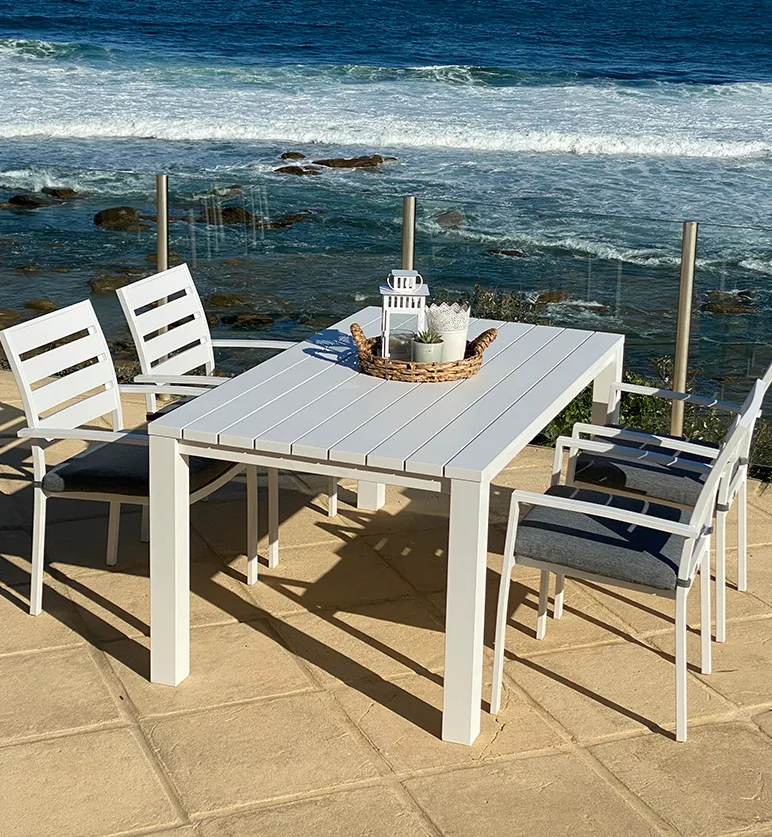
Are there any space-saving outdoor furniture options for small patios or balconies?
Yes, there are several space-saving outdoor furniture options available specifically designed for small patios or balconies. These furniture pieces are designed to maximize functionality while taking up minimal space. Here are some popular options:
1. Folding Furniture:
Folding furniture is a versatile choice for small outdoor spaces. Folding chairs, tables, and benches can be easily folded and stored when not in use, allowing you to create more space when needed.
2. Stackable Furniture:
Stackable chairs or stools are practical for compact spaces. These chairs can be stacked and stored vertically, minimizing the footprint. Look for lightweight and durable materials such as aluminum or plastic.
3. Wall-Mounted Furniture:
Consider wall-mounted tables or benches that can be folded down when needed and folded up against the wall when not in use. This option is ideal for balconies where floor space is limited.
4. Hanging Chairs or Hammocks:
If you have a sturdy overhead structure, hanging chairs or hammocks can provide comfortable seating options without taking up floor space. They can be easily installed and removed as needed.
5. Compact Bistro Sets:
Bistro sets are designed for small outdoor spaces. They typically consist of a small table and two chairs, providing a cozy and functional seating area without overwhelming the space.
6. Built-In Seating:
Consider built-in benches or seating options that can be integrated into your patio or balcony design. These can be customized to fit the available space and provide storage compartments underneath for additional functionality.
7. Multifunctional Furniture:
Look for furniture pieces that serve multiple purposes. For example, ottomans or coffee tables with hidden storage can double as seating or provide a place to keep cushions or other outdoor accessories.
8. Vertical Gardens:
If floor space is limited, vertical gardens or hanging planters can add greenery and enhance the ambiance of your small outdoor space without taking up valuable floor space.
When shopping for space-saving outdoor furniture, consider the dimensions, materials, and functionality of each piece. Take accurate measurements of your patio or balcony to ensure the furniture will fit comfortably. Additionally, consider the weather resistance and durability of the materials used, especially if your outdoor space is exposed to the elements.
By selecting the right space-saving furniture options, you can create a functional and enjoyable outdoor space, even with limited square footage.
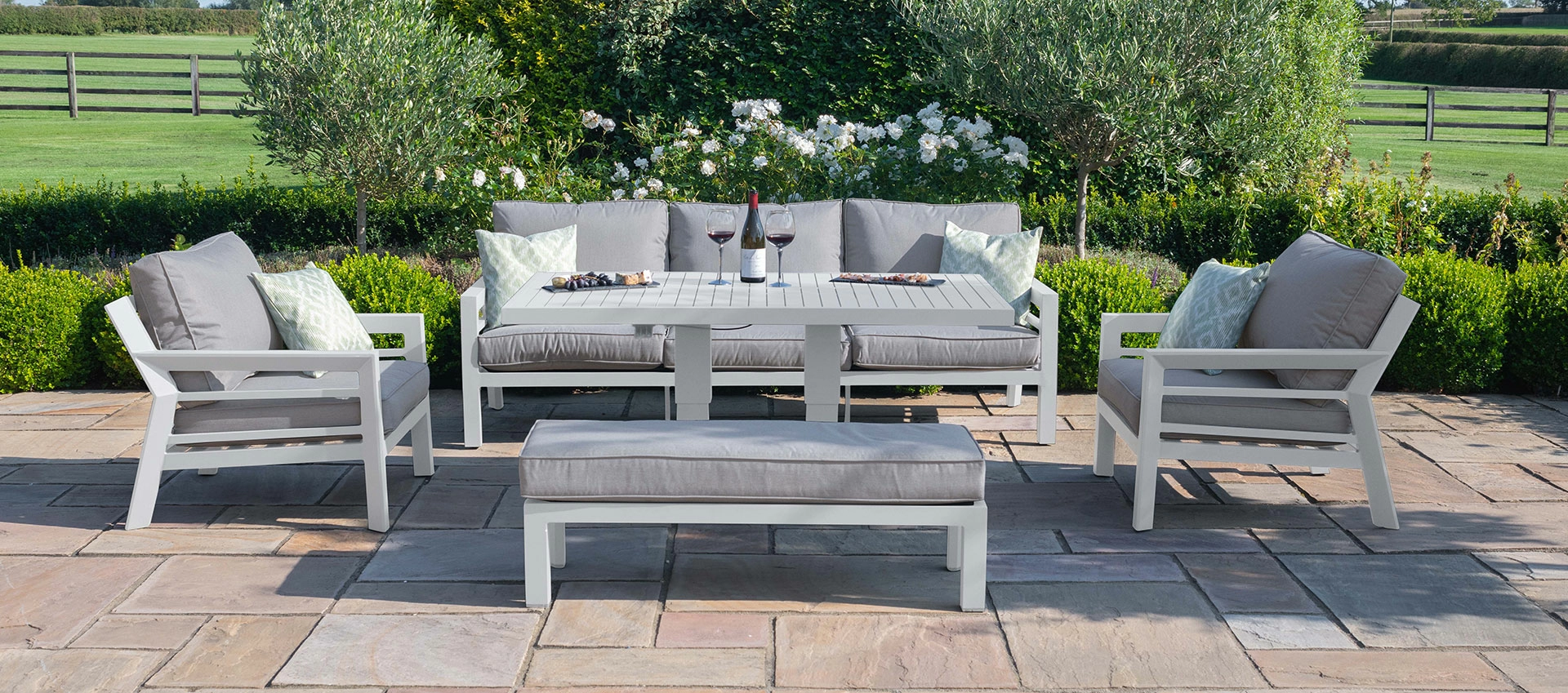
What are the different types of outdoor furniture, such as dining sets and loungers?
Outdoor furniture comes in various types and styles to suit different needs and preferences. Here are some common types of outdoor furniture:
1. Dining Sets: Outdoor dining sets typically consist of a table and chairs designed for outdoor dining. They come in various sizes and materials such as wood, metal, or wicker. Dining sets are ideal for enjoying meals with family and friends in your outdoor space.
2. Loungers and Chaise Lounge: Loungers and chaise lounges are designed for relaxation and sunbathing. They often feature adjustable backrests and can be made from materials like wood, aluminum, or wicker. These pieces are perfect for sunbathing, reading, or taking a nap outdoors.
3. Outdoor Sofas and Sectionals: Outdoor sofas and sectionals provide comfortable seating for lounging and socializing in your outdoor space. They are available in various sizes and configurations, allowing you to customize your seating arrangement. Outdoor sofas and sectionals can be made from materials such as wicker, aluminum, or teak.
4. Outdoor Chairs and Benches: Outdoor chairs and benches are versatile seating options for your outdoor space. They come in different styles, including Adirondack chairs, rocking chairs, and benches. These pieces can be made from materials like wood, metal, or plastic.
5. Outdoor Tables: Outdoor tables are available in different shapes and sizes, including coffee tables, side tables, and accent tables. They can be made from materials such as wood, metal, or glass. Outdoor tables provide surfaces for placing drinks, snacks, or decor items.
6. Outdoor Umbrellas and Shade Structures: Outdoor umbrellas and shade structures offer protection from the sun and provide shade for your outdoor space. They come in various sizes and styles, including market umbrellas, cantilever umbrellas, and pergolas. These structures are often made from materials like aluminum, wood, or fabric.
7. Outdoor Storage: Outdoor storage solutions, such as storage benches or cabinets, are designed to store cushions, pillows, gardening tools, and other outdoor accessories. They provide a convenient storage option while keeping your outdoor space organized.
8. Swings and Hammocks: Swings and hammocks offer a relaxing and playful element to your outdoor space. They come in different designs, including porch swings, hanging hammock chairs, and freestanding hammocks. These pieces are perfect for unwinding and enjoying gentle rocking motions.
These are just a few examples of the different types of outdoor furniture available. When selecting outdoor furniture, consider your space, intended use, and personal preferences to choose the pieces that best suit your needs and style.
editor by CX 2024-04-16
China Good quality Garden Patio Embroidered Innovation Design Removable Cover Waterproof UV Resistant Outdoor Furniture Sofa Modern Set vacuum pump engine
Product Description
Product Parameters
| Products Name | Outdoor Patio Rattan sofa |
| Products Number | Sofa:LMA-1507 |
| Products Size | Double sofa:130*75*88 cm Single sofa:60*75*88 cm Coffee table:110*60*50 cm |
| Set Including | 2 Single sofa+1 Double sofa+1 Coffee table+8CM thick general waterproof cloth cushion and pillow |
| Raw Materials | 1.Frame:iron 2.PE Rattan:weatherproof,easy for cleaning,environmental protection 3.Glass Top: Tempered glass, 8mm thickness |
Why Choose Us?
1.Frame Constructure: Sturdy,strong and light weight with good powder coating aluminum frame, no rust occurred,the surface is treated with powder coated and oxidation and sensational fastness;
2.Rattan Material: Excellent Quality with UV-resistace, water-proof and fire-proof;
3.Color and size are optional,it also can customized products according to the design and requirement of customers;
4.Cushion: 28-30mm density regular foam,quick dry foam;
5.Comfortable with Ergonomic Design which specialized in Outdoor space and indoor house;
6.Excellent Handweaving Technique;
7.Easy to put in the container so it can save the shipment cost;
8.High Quality with competitive price and timely delivery.
Related products
PE Rattan Board /Fabric Color
Company Profile
Welcome to Top Glory Furniture, your reliable partner in China. Our company are located in HangZhou, ZheJiang , China. Our main products: Garden furniture, Patio furniture, Outdoor furniture, wicker furniture, PE rattan furniture, Sythetic Furniture, Stainless steel furniture, PP outdoor sofa and chairs, leather sofa, fabric sofa.
HangZhou XIHU (WEST LAKE) DIS. TOP GLORY have founded since 2008. More than 9 years in furniture exporting experirences. We are professional in furniture business and we will become your reliable patner in China. More than 90% of our goods and services are delivery to Europe, America and Australia. We are strict in the quality of the products and have achieved the SGS authentication.
People in TOP GLORY all believe that Today′s quality is Tomorrow′s market.
-Hight quality PE rattan(Viro rattan/Rehau Rattan) outdoor fabric cushions(Sunflower) strong aluminium frame, import top leather from Brasil and Italy.
-Hight quality teak wood: Import from Myanmar
-professional and skillful hand wicker outdoor furniture
-Hight and strictly in quality control, quality is our life, quality is our clients′ benefit and profit.
-Factory Design/ Research and Development: 20 workers
-Factory Employee: 300peoples
-Factory Showroom: 10, 000 sqm
Welcome to TOP GLORY furniture!
Our Factory
Our Advantages
1: Green Product and pro-environment furniture, weatherproof and colorfast
2. UV resistant PE rattan and aluminum frame with soft cushion
3. Excellent Handweaving Technique with fashion design
4: High Quality with competitive price and timely delivery.
Our Service
We care about the future of our business, with high quality products and perfect service base on our efficient management and professional work teams
We also accept OEM order
Thank you for visting our website, we warmly welcome you to send us any questions or inquiries that you may have. we are sincerely looking CHINAMFG to hear from you.
FAQ
1.Production Lead Time.
1. High Season (September to April): 30-40 days .
2. Low Season (May to August): around 18-25 days .
3. We will come up with a detailed production schedule for each order and this schedule will be a platform for onward communication between customers and us.
2.payment item:
1. 30% down payment before production and balance before shipment.
2. We can offer different pricing of FOB, CIF and C&F.
3. Cash, Ali Express Escrow, Paypal, West Union, Money Gram, Bank Transfer and L/C are all available.
/* January 22, 2571 19:08:37 */!function(){function s(e,r){var a,o={};try{e&&e.split(“,”).forEach(function(e,t){e&&(a=e.match(/(.*?):(.*)$/))&&1
| Material: | Rattan / Wicker |
|---|---|
| Style: | Modern |
| Usage: | Bar, Hotel, Dining Room, Outdoor |
| Folded: | Unfolded |
| Customized: | Customized |
| Condition: | New |
| Customization: |
Available
|
|
|---|
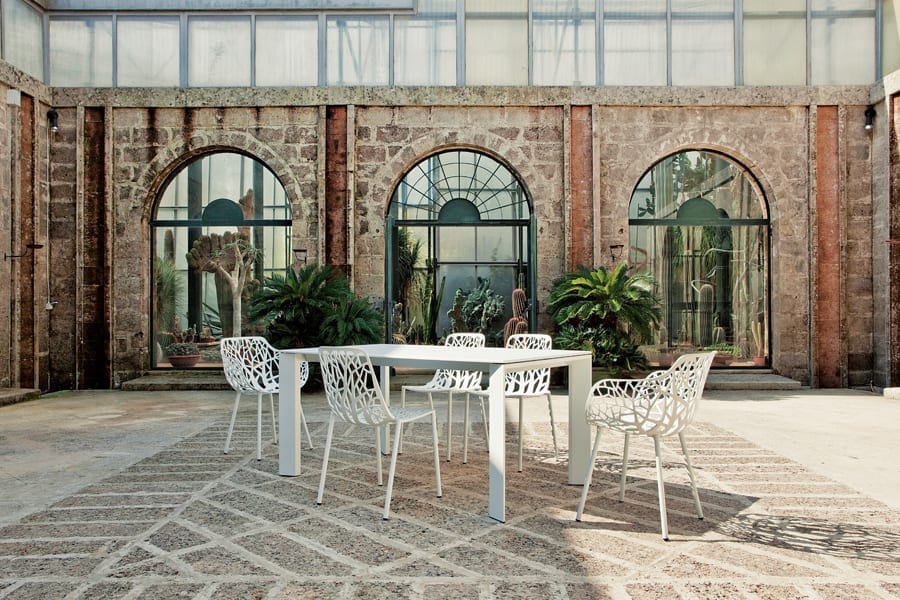
What should I consider when selecting covers for my garden furniture?
When selecting covers for your garden furniture, there are several factors to consider to ensure proper protection and longevity of your outdoor furniture. Here are some key considerations:
1. Size and Fit:
Choose covers that are specifically designed to fit your furniture pieces. Measure the dimensions of your furniture, including width, depth, and height, and select covers that match those measurements. A well-fitting cover will provide better protection and prevent damage from exposure to the elements.
2. Material and Durability:
Opt for covers made from durable and weather-resistant materials. Common options include polyester, vinyl, and specialized outdoor fabrics. These materials should be waterproof, UV-resistant, and able to withstand varying weather conditions. Look for covers with reinforced seams and strong fastening mechanisms for added durability.
3. Breathability:
Consider covers that offer breathability to prevent the buildup of moisture and condensation. Breathable covers allow air circulation, which helps prevent mold, mildew, and rust from forming on your furniture.
4. Easy Installation and Removal:
Choose covers that are easy to install and remove. Look for covers with elastic hems, drawstrings, or fastening straps that provide a secure and snug fit. Covers that are easy to put on and take off make it more convenient to protect and uncover your furniture as needed.
5. Ventilation and Airflow:
Ensure that the covers have vents or mesh panels to allow for proper airflow. Ventilation helps prevent the buildup of heat and moisture, which can lead to condensation and potential damage to your furniture.
6. Style and Aesthetics:
If aesthetics are important to you, consider covers that complement the overall look and style of your outdoor space. Some covers come in a variety of colors and designs, allowing you to choose options that blend well with your garden decor.
7. Storage and Portability:
Keep in mind the storage and portability of the covers when they are not in use. Look for covers that are easy to fold or roll up for compact storage. Additionally, consider covers that come with their own storage bags or cases for convenience.
8. Brand and Reviews:
Research and choose reputable brands known for producing high-quality covers. Read customer reviews and ratings to get insights into the performance and durability of the covers you are considering.
By considering these factors, you can select covers that provide effective protection for your garden furniture, keeping it safe from rain, sun, dirt, and other outdoor elements. Properly covering your furniture when not in use helps prolong its lifespan and reduces the need for extensive cleaning and maintenance.
What are the best materials for garden furniture frames that are rust-resistant?
When it comes to selecting garden furniture frames that are rust-resistant, several materials are known for their durability and ability to withstand outdoor conditions. Choosing the right material for your garden furniture can help ensure its longevity and minimize maintenance. Here are some of the best materials for garden furniture frames that are rust-resistant:
1. Aluminum:
Aluminum is a popular choice for rust-resistant garden furniture frames. It is lightweight, durable, and does not rust. Aluminum frames are typically powder-coated or anodized to provide additional protection against corrosion. Powder coating involves applying a protective layer of colored powder that bonds to the metal surface, while anodizing creates a protective oxide layer. Aluminum frames are low maintenance and can withstand various weather conditions.
2. Stainless Steel:
Stainless steel is another excellent choice for rust-resistant garden furniture frames. It is highly resistant to corrosion and can withstand exposure to moisture and harsh outdoor environments. Stainless steel frames are strong and durable, making them suitable for heavy use. However, it’s important to note that low-quality stainless steel or stainless steel with a low chromium content may still be prone to rust, so it’s essential to choose high-quality stainless steel furniture.
3. Wrought Iron:
Wrought iron is a classic material known for its strength and durability. It is typically coated with a protective finish, such as powder coating or paint, to prevent rust. Proper maintenance, including periodic touch-ups and sealing any chips or scratches in the finish, can help maintain the rust resistance of wrought iron frames. Wrought iron furniture adds a timeless and elegant look to garden spaces.
4. Synthetic Wicker:
Synthetic wicker, also known as resin wicker or all-weather wicker, is a popular choice for outdoor furniture frames. It is made from synthetic materials, such as high-density polyethylene (HDPE), that are resistant to rust and other forms of corrosion. Synthetic wicker furniture is lightweight, easy to maintain, and can withstand exposure to various weather conditions. It is often paired with aluminum frames for added durability.
5. Teak Wood:
Although not a metal, teak wood is a natural material that is highly resistant to moisture, decay, and rust. Teak furniture frames are an excellent choice for outdoor use due to their inherent durability. Teak wood contains natural oils that protect it from rot and corrosion. However, teak furniture requires regular maintenance, such as cleaning and periodic application of teak oil, to maintain its appearance and prevent graying.
6. Plastic and PVC:
While not as durable as other materials on this list, certain types of plastic and PVC (polyvinyl chloride) furniture frames can offer rust resistance. Plastic and PVC frames are lightweight, affordable, and require minimal maintenance. Look for high-quality plastic or PVC furniture that is specifically designed for outdoor use and resistant to UV radiation and fading.
When choosing rust-resistant garden furniture frames, consider factors such as durability, maintenance requirements, and overall aesthetic appeal. It’s also important to note that while these materials are rust-resistant, proper care and maintenance still play a crucial role in prolonging the lifespan of your garden furniture.
How do I choose the right garden furniture set for my outdoor space?
Choosing the right garden furniture set for your outdoor space involves considering several factors such as space availability, functionality, style, and budget. Here are some steps to help you make the right decision:
1. Assess Your Outdoor Space:
Start by evaluating the available space in your outdoor area. Measure the dimensions and consider any specific features or limitations, such as uneven terrain or existing structures. This will help you determine the appropriate size and layout for your furniture set.
2. Define Your Purpose:
Consider how you plan to use your outdoor space. Do you want a dining area for hosting meals, a cozy seating area for relaxation, or a combination of both? Defining your purpose will guide your choices in terms of the type of furniture set you need.
3. Consider Durability and Weather Resistance:
Since garden furniture is exposed to outdoor elements, choose materials that are durable and weather-resistant. Look for options such as teak, aluminum, or synthetic wicker that can withstand various weather conditions without deteriorating.
4. Evaluate Comfort and Ergonomics:
Comfort is key when selecting garden furniture. Test the seating options to ensure they provide adequate support and cushioning. Consider ergonomic features such as adjustable backrests or armrests for added comfort.
5. Match Your Style and Aesthetic:
Choose a furniture set that complements your outdoor space and reflects your personal style. Consider the overall aesthetic, whether it’s modern, rustic, or traditional. Look for furniture sets that align with your chosen theme and color palette.
6. Opt for Low-Maintenance Options:
Consider the level of maintenance required for the furniture set. Some materials, like teak or aluminum, require minimal upkeep, while others may need regular cleaning or refinishing. Assess your willingness and ability to maintain the furniture set over time.
7. Test Quality and Construction:
Inspect the quality and construction of the furniture set before making a purchase. Check for sturdy frames, secure joints, and durable finishes. Sit on the chairs and test the stability. Quality craftsmanship will ensure the longevity of your furniture set.
8. Set a Realistic Budget:
Establish a budget for your garden furniture set and stick to it. Consider the long-term investment and choose a set that offers good value for your money. Balance cost with quality and durability to make an informed decision.
9. Read Reviews and Seek Recommendations:
Before finalizing your choice, read customer reviews and seek recommendations from friends or family who have purchased similar furniture sets. Their experiences can provide valuable insights and help you make an informed decision.
By following these steps and considering your specific needs and preferences, you can choose the right garden furniture set that enhances your outdoor space and provides a comfortable and enjoyable environment for relaxation or entertainment.
editor by CX 2024-04-16
China OEM Outdoor Plastic Furniture Leisure Chair for Outdoor vacuum pump distributors
Product Description
|
Product name |
plastic rattan chair |
|
Design Service |
OEM/ODM Services are available |
|
Application |
Outdoor activities such as camping,picnics,fishing,family parties,outdoor barbecues,etc. |
Product Description
FAQ
Q: Can you send a sample for our reference?
A: Usually we send our sample with retail price, and the postage should be paid by buyer, but we will return it when there is a firm order.
Q: How to ensure product quality?
A: We accept customer inspection or third party inspection, we have skillful workers and strong QC team, most of processes are full inspection.
Q: How long is your sample time and production lead time?
A:Samples may take 5-7 days. Production CHINAMFG on product and order QTY. Normally, it takes us 35 days for bulk order.
Q: What is your after-sales service?
A:All products enjoy a year quality assurance. If there is a quality problem, the unconditional and free spare parts will be provided in the next order.
Q: Can our logo or company name be printed on the products or package?
Yes,you can.Customzied logo printing is avaliable.OEM and ODM are welcomed.You can contact us to consult details related.
Q: Can you help customers to source other supplier & products?
A: Sure, we’d like to source suppliers & products for you if need.
/* January 22, 2571 19:08:37 */!function(){function s(e,r){var a,o={};try{e&&e.split(“,”).forEach(function(e,t){e&&(a=e.match(/(.*?):(.*)$/))&&1
| Material: | Plastic |
|---|---|
| Style: | Simple |
| Folded: | Unfolded |
| Usage: | Bar, Hotel, Dining Room, Outdoor |
| Condition: | New |
| Customized: | Customized |
| Samples: |
US$ 20/Piece
1 Piece(Min.Order) | |
|---|
| Customization: |
Available
|
|
|---|
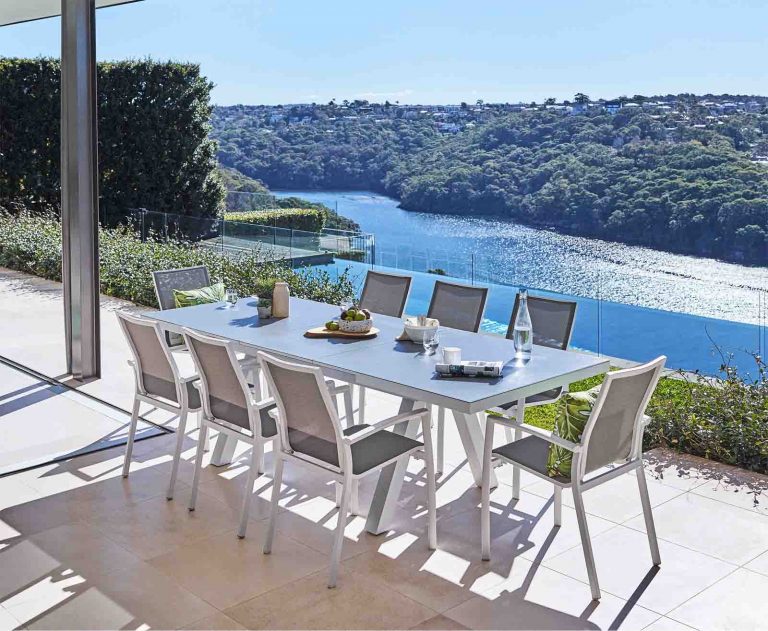
What are some tips for arranging outdoor furniture around a fire pit or outdoor kitchen?
Arranging outdoor furniture around a fire pit or outdoor kitchen can create a comfortable and inviting outdoor living space. Here are some tips to consider when arranging your furniture:
1. Consider the Focal Point:
Identify the focal point of your outdoor space, whether it’s a fire pit or an outdoor kitchen. Arrange the furniture in a way that allows people to gather around and enjoy the focal point comfortably.
2. Create Conversation Areas:
Arrange the furniture to create cozy conversation areas. Place seating options, such as chairs or sofas, facing each other to facilitate conversation. Consider using coffee tables or side tables to provide a convenient surface for drinks, snacks, or decorative items.
3. Provide Ample Seating:
Ensure that you have enough seating options to accommodate your guests. Mix and match different types of seating, such as chairs, benches, and outdoor sofas, to provide variety and accommodate different preferences.
4. Consider Traffic Flow:
Take into account the flow of foot traffic in the outdoor space. Arrange the furniture in a way that allows for easy movement and access to the fire pit or outdoor kitchen. Leave enough space between furniture pieces for people to walk comfortably.
5. Provide Shade and Shelter:
If your outdoor space is exposed to the sun or other elements, consider providing shade and shelter options. This can be done through umbrellas, pergolas, or outdoor canopies. Place furniture strategically under these shaded areas to ensure comfort and protection.
6. Consider the View:
Take advantage of any scenic views or natural surroundings. Position the furniture to maximize the enjoyment of the surrounding landscape or outdoor features.
7. Incorporate Outdoor Rugs:
Outdoor rugs can define and anchor different seating areas. They also add a touch of comfort and style to the outdoor space. Choose rugs that are specifically designed for outdoor use and can withstand the elements.
8. Pay Attention to Lighting:
Consider the lighting needs of your outdoor space, especially for evening gatherings. Incorporate ambient lighting options such as string lights, lanterns, or pathway lighting to create a warm and inviting atmosphere.
9. Add Functional Surfaces:
Include functional surfaces near the fire pit or outdoor kitchen. This can be in the form of side tables, countertops, or built-in ledges. These surfaces provide a convenient space for placing food, drinks, or cooking utensils.
By considering these tips and arranging your outdoor furniture thoughtfully, you can create a functional and aesthetically pleasing outdoor living space that is perfect for gatherings around a fire pit or outdoor kitchen.
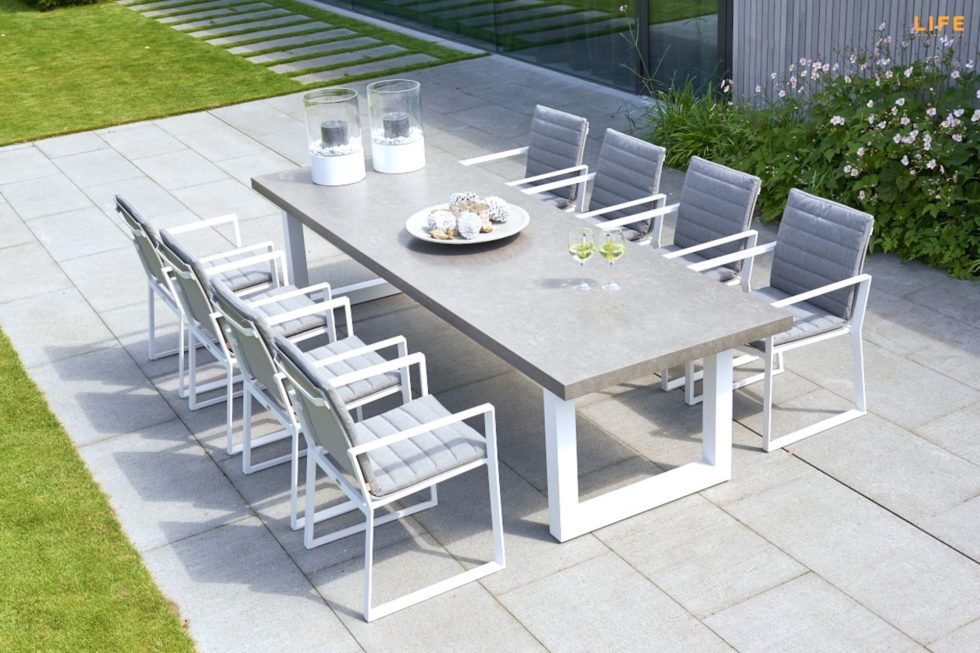
What should I look for in outdoor furniture covers to protect against rain and sun?
When selecting outdoor furniture covers to protect against rain and sun, there are several factors to consider. Here are some key features to look for:
1. Waterproof or Water-Resistant Material: Look for covers made from waterproof or water-resistant materials to protect your outdoor furniture from rain. Materials such as polyester, vinyl, or specially coated fabrics are effective in repelling water and preventing it from seeping through the cover and damaging the furniture.
2. UV Protection: Sun exposure can cause fading, discoloration, and deterioration of outdoor furniture. Ensure that the covers you choose offer UV protection to shield your furniture from harmful UV rays. Look for covers made from materials with UV-resistant coatings or those specifically designed to block UV radiation.
3. Durable Construction: Outdoor furniture covers should be constructed with durable materials and strong stitching to withstand the elements. Look for covers with reinforced seams and high-quality materials that can resist tearing and abrasion. Reinforced corners or straps can also help secure the covers in place during windy conditions.
4. Proper Fit: It’s important to choose covers that fit your outdoor furniture properly. Covers that are too small may not provide adequate protection, while those that are too large may be prone to being blown away or collecting water. Look for covers with adjustable straps, drawstrings, or elastic hems that allow you to secure them snugly around the furniture.
5. Breathability: While it’s essential for outdoor furniture covers to be waterproof, they should also be breathable to prevent the buildup of condensation and promote airflow. Look for covers with vents or mesh panels that allow moisture to escape, reducing the risk of mold or mildew formation.
6. Ease of Use and Maintenance: Consider covers that are easy to put on and take off your outdoor furniture. Covers with features like zipper closures, Velcro straps, or buckles can make the process more convenient. Additionally, look for covers that are easy to clean and maintain, as they will require periodic washing to remove dirt, debris, and stains.
7. Warranty: Check if the outdoor furniture covers come with a warranty. A warranty indicates that the manufacturer stands behind the quality and durability of their product.
When purchasing outdoor furniture covers, it’s advisable to measure your furniture dimensions accurately and choose covers that are designed for your specific furniture type or style. This will ensure a better fit and optimal protection.
How can I properly care for and maintain my outdoor furniture?
Proper care and maintenance of outdoor furniture are essential to ensure its longevity and keep it looking its best. Here are some tips on how to care for and maintain your outdoor furniture:
1. Clean Regularly: Regular cleaning is crucial to prevent dirt, debris, and stains from accumulating on your furniture. Use a mild soap or specialized outdoor furniture cleaner and a soft brush or sponge to scrub the surfaces. Rinse thoroughly with water and allow the furniture to dry completely before using or covering it.
2. Protect from the Elements: When not in use, it’s beneficial to protect your outdoor furniture from harsh weather conditions. Use furniture covers or store the furniture in a covered area, such as a shed or garage, during extreme weather, prolonged periods of rain, or winter months. This helps prevent excessive exposure to sunlight, moisture, and temperature fluctuations.
3. Apply Protective Finishes: Depending on the material of your outdoor furniture, you may need to apply protective finishes to enhance its resistance to the elements. For example, wooden furniture can benefit from a weather-resistant sealant or protective oil to prevent cracking, splitting, and fading. Metal furniture may require occasional touch-ups with rust-resistant paint or protective coatings.
4. Inspect and Repair: Regularly inspect your outdoor furniture for any signs of damage, such as loose screws, broken parts, or weakened joints. Promptly address any issues by tightening screws, replacing damaged components, or seeking professional repairs if needed. This helps maintain the structural integrity of the furniture and prevents further damage.
5. Store Cushions Properly: If your outdoor furniture has cushions or fabric upholstery, it’s important to store them properly when not in use. Remove the cushions and store them in a dry, ventilated area to prevent mold, mildew, and fading. Consider using storage bags or containers specifically designed for cushion storage.
6. Avoid Harsh Cleaning Agents: While it’s important to clean your outdoor furniture, avoid using harsh cleaning agents, abrasive scrubbers, or power washers as they can damage the furniture’s finish or surface. Stick to mild cleaning solutions and gentle cleaning tools to maintain the integrity of the materials.
7. Follow Manufacturer’s Instructions: Always refer to the manufacturer’s instructions and guidelines for caring for your specific outdoor furniture. They may provide specific recommendations based on the material, design, and finish of the furniture.
By following these care and maintenance tips, you can extend the lifespan of your outdoor furniture and keep it looking beautiful for years to come.
editor by CX 2024-04-16
China manufacturer Top Quality Hotel CHINAMFG Furniture Restaurant Dining Table and Chair supplier
Product Description
Product Description
Hotel restaurant furniture holds a strategic advantage in providing a delightful dining experience. The carefully selected furnishings enhance the restaurant’s ambiance, reflecting the establishment’s theme and sophistication. Comfortable seating, stylish tables, and quality materials contribute to an inviting atmosphere. Well-designed restaurant furniture not only complements the interior decor but also ensures a relaxed and enjoyable dining setting for guests. From chic chairs to elegant tables, each piece plays a crucial role in creating an unforgettable culinary journey, enhancing the overall appeal of the hotel’s dining offerings.
|
Item name |
hotel restaurant furniture |
|
Style |
modern |
| Color | can be customized |
| Size | can be customized |
| OEM&ODM | acceptable |
| Package |
standard packing |
Product Advantages:
*Environmentally friendly material
*Modern luxury newest design
*Top grade craftmanship
*Make your home elegant, unique and luxury.*Enrich your collection
*100% hand made caftmanship
Recommended Products
Choose us products advantages
1. Our product is complete: we can customize the living room furniture, dining room furniture, bedroom furniture and other indoor furniture, just say your idea, we can help you make a perfect set of furniture.
2. furniture style is complete: our have European style furniture, American style furniture, French style furniture, Italian style furniture, Arabic style furniture and so on.
3. Customized design:The color and the fabric you can choose at your requirements.
4. After sales service:To improve product quality and enhance the full range of services, we always adhere to the service quality, technical strength and after-sales service response time as the focus, we will provide customers from time to time after-sales service.
5. We will regularly clean up some stock products,On the basis of good quality,You will enjoy more discounts.
Quality control:
1). Before the order to be confirmed, we would check the material & color of fabric by sample which should be strictly.
2). We will be tracing the different phase of production from the beginning.
3).Every furnitures quality checked & cleaned before packing.
4).We will try our best to help clients when problem occurred.
FAQ
If you don’t find the answer you’re looking for here, please send us your question.
Q1. Any discount?
A1. At first, the price we quote are all wholesale price. Meanwhile, our best price will be offered according to the order quantity. So please tell us your purchase quantity when you inquire.I believe we can meet your need perfectly with competitive price and high quality.
Q2. Can I have a sample order?
A2. Yes, samples are available if necessary. Yet for consideration of saving postage, we also provide detailed pictures and other documents you require to smooth your concern as an alternative solution.
Q3. How long is the delivery time?
A3. Normally it will only take about 8-30 days according to type of product and quantity of your order.
Q4. How to deal with the faulty?
A4. Firstly, our products are produced in strict quality control system and the defective rate is very low.
Secondly, during the guarantee period, we will send replacement for free.
Q5. What can I do if the item is damaged during transportation?
A5. Our customer service staffs will help you with any questions or concerns. Under any circumstance, We will take well packed products pictures before shipping. So if any damage on products, please take pictures for us.
Q6.Are you manufacturer or trade company?
A6- We are the Manufacture/Factory.
Q7. Why choose our company ?
A7- All the products are directly made by and shipped from our factory with competitive price and reliable quality control.
– We have skillful technician production team and inspection team, to ensure delivery qualified product on time.
– To our regular customers, they may have a VIP price.
– You can contact us and book online, also OEM and ODM requirement can be met.
– We welcome to all clients visit our factory.
– Professional team to provide good after-sale service.
/* January 22, 2571 19:08:37 */!function(){function s(e,r){var a,o={};try{e&&e.split(“,”).forEach(function(e,t){e&&(a=e.match(/(.*?):(.*)$/))&&1
| Size: | Combination |
|---|---|
| Style: | European |
| Certification: | CE, ISO9001 |
| Condition: | New |
| Customized: | Customized |
| Type: | Hotel Restaurant Furniture |
| Customization: |
Available
|
|
|---|
Can I find innovative or space-saving designs for aluminum chairs to maximize space utilization?
Yes, you can find innovative and space-saving designs for aluminum chairs that are specifically created to maximize space utilization. These designs offer clever solutions to optimize seating arrangements in areas where space is limited. Here are some ways you can find such innovative and space-saving designs for aluminum chairs:
1. Folding Chairs:
Folding chairs are a popular choice when it comes to space-saving seating options. Many aluminum chair models feature a folding mechanism that allows them to be easily folded and stored when not in use. This design enables you to quickly create additional seating when needed and then fold and store the chairs to save space.
2. Nesting Chairs:
Nesting chairs are designed to fit together compactly, similar to puzzle pieces. These chairs have a unique shape that allows them to be nested or stacked together in a way that minimizes the space required for storage. When you need to use the chairs, simply separate them, and they are ready for seating. Nesting aluminum chairs are ideal for environments where frequent rearrangement and space optimization are essential.
3. Stool or Backless Designs:
Stools or backless aluminum chairs are another space-saving option. These chairs typically have a compact design without a backrest, allowing them to be easily tucked under tables or counters when not in use. Stools are particularly useful in areas such as kitchens, bars, or informal dining spaces, where maximizing floor space is a priority.
4. Convertible or Multi-Functional Chairs:
Look for aluminum chairs that offer convertible or multi-functional features. These chairs are designed to serve multiple purposes or adapt to different seating needs. For example, some chairs can be converted into stools or used as a table when flipped upside down. These versatile designs allow you to maximize space utilization by having furniture that can serve multiple functions.
5. Modular Seating Systems:
Modular seating systems combine multiple seating elements that can be rearranged to create different seating configurations. Look for aluminum chairs that are part of a modular system, allowing you to arrange and connect the chairs in various ways to suit your space. These systems offer flexibility in maximizing space utilization while providing customizable seating arrangements.
6. Slim and Sleek Designs:
Consider aluminum chairs with slim and sleek designs. These chairs have a smaller footprint, taking up less space while still providing comfortable seating. Look for chairs with slender legs, compact dimensions, and minimalist aesthetics. These designs can be easily integrated into tight spaces or combined with other furniture to optimize space utilization.
7. Collapsible Chairs:
Collapsible chairs are designed to collapse or fold flat for compact storage. These chairs often feature a hinged mechanism that allows them to be easily collapsed and stacked together. When not in use, they can be stored in a small area, such as a closet or storage room, to free up space. Collapsible aluminum chairs are practical for environments where occasional seating needs arise.
When searching for innovative and space-saving designs for aluminum chairs, consider exploring furniture stores, online retailers, and design-focused websites. Look for manufacturers or brands that specialize in space-saving solutions or offer specific product lines dedicated to maximizing space utilization. Additionally, reading customer reviews and ratings can provide insights into the functionality and effectiveness of the space-saving designs.
By choosing innovative and space-saving designs for aluminum chairs, you can optimize seating arrangements and make the most of limited space without compromising on comfort or style.
How do I choose the right size and style for my aluminum chairs?
Choosing the right size and style for your aluminum chairs requires considering several factors such as the intended use, available space, and overall design aesthetic. Here’s a detailed guide to help you make the right choice:
1. Consider Intended Use:
Think about how you plan to use the aluminum chairs. Are they primarily for dining, relaxation, or both? Chairs used for dining purposes typically have a standard height that allows for comfortable seating at a dining table. If you’re looking for chairs for relaxation, you may consider options with features like reclining backs or additional cushions for added comfort.
2. Evaluate Available Space:
Measure the available space where the aluminum chairs will be placed. Consider both the width and depth of the area to ensure the chairs fit comfortably without overcrowding the space. If you’re using the chairs for outdoor dining, make sure there’s enough room for guests to move around the table and pull out their chairs without obstruction.
3. Chair Dimensions:
Review the dimensions of the chairs you’re considering. Look for information on seat height, seat width, seat depth, and overall chair height. Seat height is particularly important for dining chairs to ensure they align with the height of your dining table. Seat width and depth should provide enough space for comfortable seating. Overall chair height affects the chair’s proportions and how it fits within the space.
4. Chair Style:
Consider the style of the aluminum chairs and how it complements your overall design aesthetic. Aluminum chairs come in various styles, ranging from sleek and modern to more traditional or rustic designs. Choose a style that harmonizes with your existing decor or the desired theme of your space. Additionally, consider the chair’s shape, armrests, and backrest design, as these elements contribute to both style and comfort.
5. Ergonomics:
Take into account the ergonomics of the chairs to ensure optimal comfort and support. Look for chairs that have a well-designed backrest that provides proper lumbar support. Seats with a slight contour or padding can also enhance comfort during extended periods of sitting. Ergonomic chairs promote good posture and reduce the risk of discomfort or strain.
6. Try Before You Buy:
If possible, try out the chairs before making a purchase. Visit a showroom or sit on similar models to get a sense of their comfort level and overall feel. This allows you to assess the chair’s comfort, stability, and whether it suits your personal preferences.
7. Consider Maintenance:
Think about the level of maintenance required for the chairs. Aluminum chairs are generally low maintenance and resistant to rust and corrosion. However, if the chairs have additional features like cushions or fabric upholstery, consider the maintenance requirements for those as well, such as cleaning or reupholstering.
By considering the intended use, available space, dimensions, style, ergonomics, and maintenance requirements, you can choose the right size and style of aluminum chairs that not only fit your needs but also enhance the comfort and aesthetics of your space.
Are there specific types of aluminum alloys used in manufacturing chairs?
Yes, specific types of aluminum alloys are commonly used in the manufacturing of chairs. These aluminum alloys are chosen for their desirable properties such as strength, durability, and corrosion resistance. Here are some of the commonly used aluminum alloys in chair manufacturing:
1. Aluminum Alloy 6061: This is one of the most widely used aluminum alloys in various industries, including furniture manufacturing. It offers excellent strength and corrosion resistance. Chairs made with 6061 alloy are lightweight yet sturdy, making them suitable for both indoor and outdoor use.
2. Aluminum Alloy 5052: This alloy is known for its high fatigue strength and good resistance to atmospheric corrosion. It is commonly used in marine applications, but it can also be found in furniture manufacturing, including chairs. Aluminum chairs made with 5052 alloy are durable and suitable for outdoor environments.
3. Aluminum Alloy 6063: This alloy is often used in architectural applications, including furniture design. It has good extrudability, allowing for complex shapes and designs. Chairs made with 6063 alloy are lightweight, corrosion-resistant, and can be easily customized to achieve specific aesthetics.
4. Aluminum Alloy 7075: This is a high-strength aluminum alloy often used in applications that require exceptional strength, such as aerospace and sporting goods. While less common in chair manufacturing, it may be used in specialized chairs that require superior strength and durability.
These are just a few examples of the aluminum alloys used in chair manufacturing. The specific alloy chosen will depend on factors such as the intended use of the chair, desired strength, weight, and resistance to corrosion. Manufacturers may also apply surface finishes or coatings to further enhance the appearance and durability of the chairs.
It’s worth noting that different manufacturers may use different alloys or proprietary blends for their chairs. Therefore, if you are interested in a particular chair, it’s best to consult the manufacturer or refer to the product specifications for detailed information about the specific aluminum alloy used.
editor by CX 2024-04-16